Aggressive Defense Strategies for Immigration & Criminal Defense for Non-Citizens · Free Case Evaluation · 24/7 Emergency Availability
28+ Years Experience
Expert in Detroit Courts
36th District & Third Circuit Court
Recognized for Excellence in Criminal Defense Representation





Protecting Immigration Status & Freedom in Wayne County Courts
For non-citizens residing or working in the Detroit metropolitan area, a criminal arrest is not merely a state law matter — it can have devastating and permanent consequences on immigration status, pending applications, and the right to remain in the United States. Under the Immigration and Nationality Act (INA), a broad range of offenses — from misdemeanor drug charges to felony convictions — can trigger removal proceedings, bars to naturalization, mandatory detention, and the denial of future benefits. Attorney William Maze has defended non-citizens in Wayne County courts for over 28 years and understands the intersection of Michigan criminal law and federal immigration consequences.
The categories of offenses that most frequently affect immigration status include crimes involving moral turpitude (CIMTs), aggravated felonies, controlled substance offenses, domestic violence-related crimes, and firearms violations. Even an offense that results in no jail time — or one that is ultimately dismissed after a deferred sentence — may still be classified as a conviction under INA § 101(a)(48), triggering immigration consequences. It is imperative that non-citizen defendants retain a criminal defense attorney who evaluates every potential plea, dismissal strategy, and sentencing outcome through an immigration lens before any disposition is entered.
Attorney Maze represents non-citizens charged in the 36th District Court, the Wayne County Circuit Court, and the Frank Murphy Hall of Justice. His practice encompasses the full spectrum of immigration-related criminal defense concerns: advising on the immigration consequences of specific pleas, negotiating charge reductions that avoid aggravated felony designations, challenging ICE detainers on constitutional grounds, and providing representation at implied consent and bond hearings where immigration status may be at issue. He works in coordination with immigration counsel when necessary to ensure that criminal defense strategy accounts for every federal immigration ramification.
The following pages address the key areas of criminal defense as they relate to non-citizens in the Detroit area. Whether you are a lawful permanent resident, a visa holder, a DACA recipient, or an undocumented individual, the criminal justice system will process your case the same way — but the collateral consequences to your immigration status will differ dramatically based on how your case is resolved. The pages below provide detailed information on each major topic and explain how Attorney Maze can protect both your freedom and your future in the United States.
Lawful permanent residents, visa holders, DACA recipients, and undocumented individuals all face unique criminal defense challenges. Learn how non-citizen status affects your case strategy and what a skilled defense attorney must consider before any plea is entered.
Learn MoreMany criminal convictions — including certain misdemeanors — can render a non-citizen removable under federal immigration law. Understand which offenses trigger deportation and how a defense attorney can structure your case to minimize or eliminate removal risk.
Learn MoreWhen ICE lodges a detainer request after a criminal arrest, you can be held in local custody beyond your release date. Attorney Maze explains how ICE detainers work, your constitutional rights, and how immediate legal action can protect you from prolonged detention.
Learn MoreThe convergence of criminal prosecution and immigration consequences — a phenomenon legal scholars have termed "crimmigration" — represents one of the most consequential and underappreciated developments in American law. The National Association of Criminal Defense Lawyers (NACDL) has long recognized that the failure to advise non-citizen clients of immigration consequences before entering a guilty plea constitutes constitutionally deficient representation. In Padilla v Kentucky, 559 US 356 (2010), the United States Supreme Court held that defense counsel has a Sixth Amendment duty to advise a non-citizen client whether a guilty plea carries a risk of deportation. The Court rejected the argument that immigration consequences are merely "collateral" to a criminal conviction, recognizing that for many defendants, deportation is the functional equivalent of banishment or exile.
The INA contains an extensive list of criminal grounds of deportability and inadmissibility. Under 8 USC § 1227(a)(2), a lawful permanent resident may be removed for a conviction involving a crime of moral turpitude committed within five years of admission, any aggravated felony, a controlled substance offense, or a domestic violence offense. The term "aggravated felony," defined at 8 USC § 1101(a)(43), is notoriously broad and includes offenses that may not appear "aggravated" under state law, including theft offenses with a sentence of one year or more, fraud offenses, and drug trafficking. Because immigration courts have historically given the "aggravated felony" label an expansive reading, a state misdemeanor punishable by up to one year in jail can qualify as a federal aggravated felony if a sentence of 365 days or more is imposed.
NACDL has published extensive resources emphasizing that criminal defense attorneys must conduct individualized immigration consequence analysis before any disposition. This obligation requires understanding the difference between deportable and inadmissible offenses, the availability of cancellation of removal, and the distinction between a "conviction" under federal immigration law versus an adjudication under state law. Michigan's Delayed Sentence Act and Holmes Youthful Trainee Act, for example, may avoid a "conviction" for state purposes while still being classified as a conviction under INA § 101(a)(48)(A) if guilt was admitted. Attorney Maze's practice integrates this analysis into every non-citizen representation, ensuring that criminal defense strategy never sacrifices immigration safety without full informed consent.
The Wayne County Prosecutor's Office has increasingly cooperated with federal immigration authorities under various enforcement programs, making early and aggressive criminal defense intervention essential. Defendants who are subject to an ICE detainer face unique challenges at bond hearings, as courts may consider flight risk arguments premised on potential removal. Skilled defense counsel must be prepared to address these arguments and, where appropriate, to challenge the legal sufficiency of the detainer itself. The constitutional framework governing detainers was significantly clarified in Morales v Chadbourne, 793 F3d 208 (1st Cir 2015), which held that prolonged detention on an ICE detainer without probable cause violates the Fourth Amendment — a principle that applies with equal force in the Sixth Circuit.
As a Detroit criminal defense attorney, I provide specialized expertise in Detroit's court systems. I understand the specific procedures, judges, and prosecutors in Detroit courts, giving my clients a distinct advantage in their criminal defense cases.
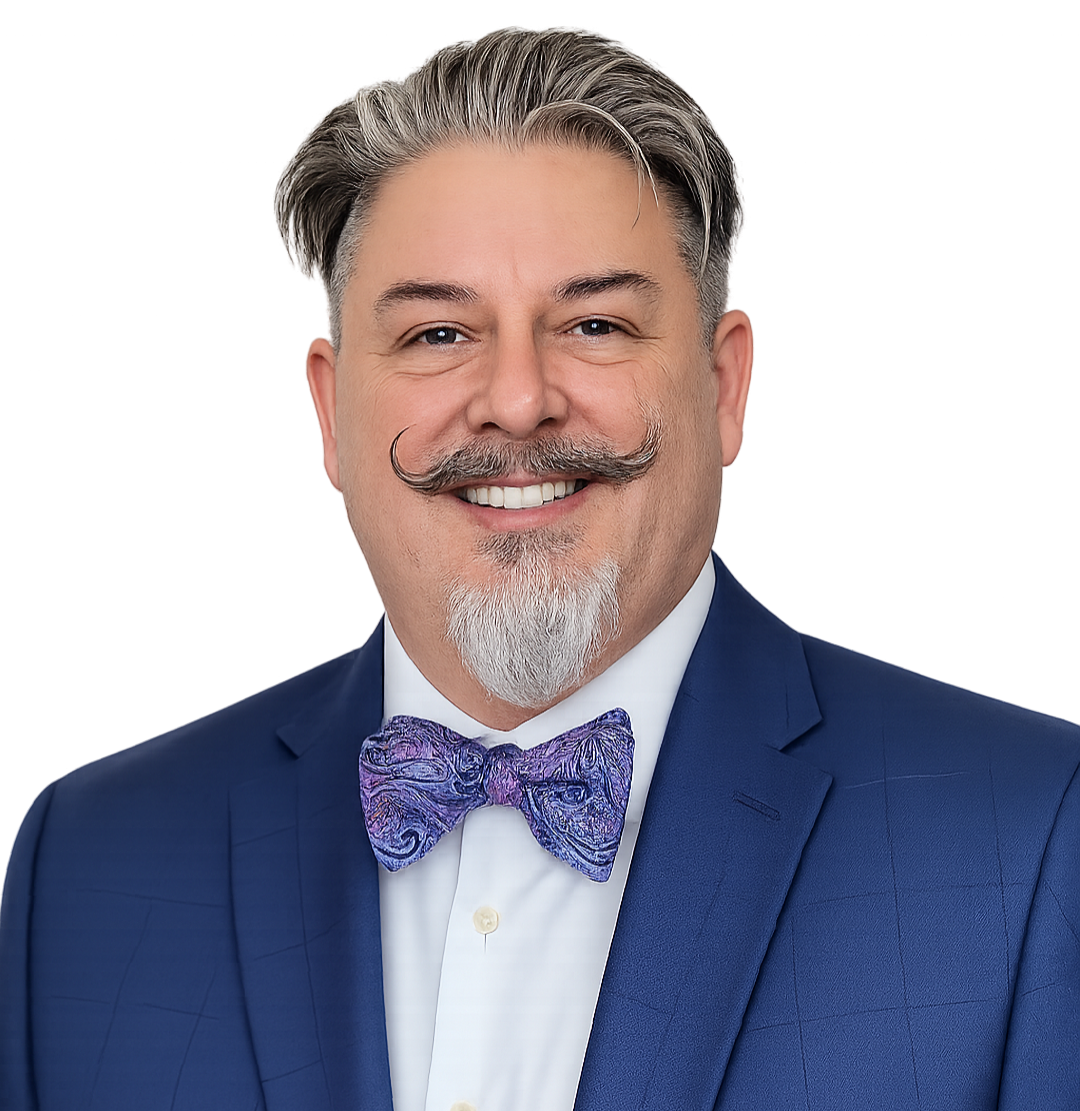
Detroit Criminal Defense Attorney
William Maze is an established Detroit Michigan attorney with nearly 28 years of criminal defense experience. He has represented thousands of satisfied clients across Michigan and maintains a national reputation as one of the leading criminal defense attorneys in the country.
Attorney Maze is a qualified expert witness in Standardized Field Sobriety Testing (SFST) and breath alcohol testing. His expertise includes:
Subscribe to @DUIMAZE for comprehensive criminal defense videos, case breakdowns, and legal strategy discussions.
If you are facing criminal charges, call William Maze today to schedule an appointment to review your case. Available 24/7 for emergencies.
Expert Criminal Defense Representation in Detroit's Judicial System
Primary Court for Detroit Criminal Cases
421 Madison Street, Detroit, MI 48226
(313) 965-2200
Felony Cases & Appeals from Detroit
5301 Russell Street, Detroit, MI 48211
(313) 224-5261
As a criminal defense attorney in Detroit, I provide specialized representation tailored to Detroit's unique legal landscape. For many years, my downtown Detroit office was located in the Ford Building on the same floor where Clarence Darrow mounted his famous defense of Dr. Ossian Sweet. In the famous 1925 Sweet Trials, Darrow successfully argued against racial prejudice in a murder case, asserting a Black family's right to live in a white neighborhood, a landmark civil rights victory. Darrow took the case after the Sweets were attacked in their new Detroit home, leading to a deadly confrontation and a trial that highlighted racial tensions in Detroit.
Each court has its own procedures, judges, and local rules. My extensive experience with Detroit's court system includes:
I provide criminal defense services throughout Detroit including:
If you're facing criminal charges in Detroit or Wayne County, contact my office today at (313) 792-8800 for a free, confidential consultation.
Get Expert Legal Advice for Your Detroit Criminal Case
Facing criminal charges in Detroit can be overwhelming. Contact me today for a free, confidential consultation at my Detroit office.
24/7 Emergency: (313) 792-8800
Office Hours: Mon-Fri 9am-5pm
Weekend/Evening: Appointments Available