Aggressive Defense Strategies for wire fraud investigations · Free Case Evaluation · 24/7 Emergency Availability
28+ Years Experience
Expert in Detroit Courts
36th District & Third Circuit Court
Recognized for Excellence in Criminal Defense Representation





Aggressive Representation on Wire Fraud Investigations Cases in Wayne County
Wire Fraud allegations frequently turn on paperwork, communications, and timing. Seemingly routine emails, banking records, or electronic logs can become the centerpiece of a criminal theory, so early review of the evidence and the timeline is critical.
A strong defense focuses on intent and proof. Many transactions that look suspicious in hindsight are lawful, authorized, or explainable when the full context and business practices are presented, and when the government’s assumptions are tested.
These cases also raise technical issues. Digital forensics, record-keeping systems, and valuation methods can be misunderstood or overstated, and suppression issues may exist if searches or seizures exceeded lawful limits.
Whether the right result is a no-charge outcome, a reduction, diversion where available, or trial, the strategy should be built around controllable facts: what was said, what was done, what the records show, and what the law actually requires the prosecutor to prove.
Fraud-centered white collar cases are typically document cases. The government relies on applications, certifications, account activity, emails, and internal records to argue that a material misrepresentation caused money to be paid out or a benefit to be granted. The defense should start with a timeline, the actual documents, and a candid evaluation of what the records do and do not establish.
Michigan practice makes early procedure consequential. Courts evaluate pretrial release and conditions under MCR 6.106, and those conditions can include travel restrictions, reporting, financial limitations, and no-contact provisions. citeturn0search2 Narrowly tailored conditions reduce disruption while the case is litigated or negotiated.
Substantively, intent is commonly contested. Innocent explanations can exist for discrepancies, including clerical mistakes, inconsistent business practices, misunderstandings of program rules, or reliance on advisors. Where the prosecution uses false pretenses or related theories, it must prove the statutory elements and cannot rely solely on suspicion or hindsight.
Michigan false pretenses concepts are frequently cited in fraud litigation, and People v Cage, 410 Mich 401 (1981), is often referenced for core principles that the theory must fit the elements and the type of representation the law criminalizes. citeturn2search1 Similar element-based analysis applies across fraud statutes and charging theories.
Loss, valuation, and restitution often drive real-world outcomes. A defense should test whether claimed losses were caused by the alleged conduct, whether amounts are supported by admissible proof, and whether offsets or credits apply. These issues matter in negotiation and, if necessary, at sentencing under the Michigan sentencing guidelines framework.
Finally, the best resolutions are evidence-driven. Early, organized production of favorable records, targeted motion practice, and a coherent narrative can create leverage for a dismissal, a reduction, or a negotiated disposition that minimizes long-term consequences.
Discovery planning should address complete business records, audit trails, and any exculpatory materials that may exist outside the government’s file. Counsel should consider early motions to exclude unreliable summaries, to compel missing records, and to litigate suppression issues where searches, seizures, or subpoenas exceeded lawful limits. A realistic defense also anticipates restitution arguments and prepares to challenge unsupported loss figures with underlying documentation and, where appropriate, expert review.
Discovery planning should address complete business records, audit trails, and any exculpatory materials that may exist outside the government’s file. Counsel should consider early motions to exclude unreliable summaries, to compel missing records, and to litigate suppression issues where searches, seizures, or subpoenas exceeded lawful limits. A realistic defense also anticipates restitution arguments and prepares to challenge unsupported loss figures with underlying documentation and, where appropriate, expert review.
As a Detroit criminal defense attorney, I provide specialized expertise in Detroit's court systems. I understand the specific procedures, judges, and prosecutors in Detroit courts, giving my clients a distinct advantage in their criminal defense cases.
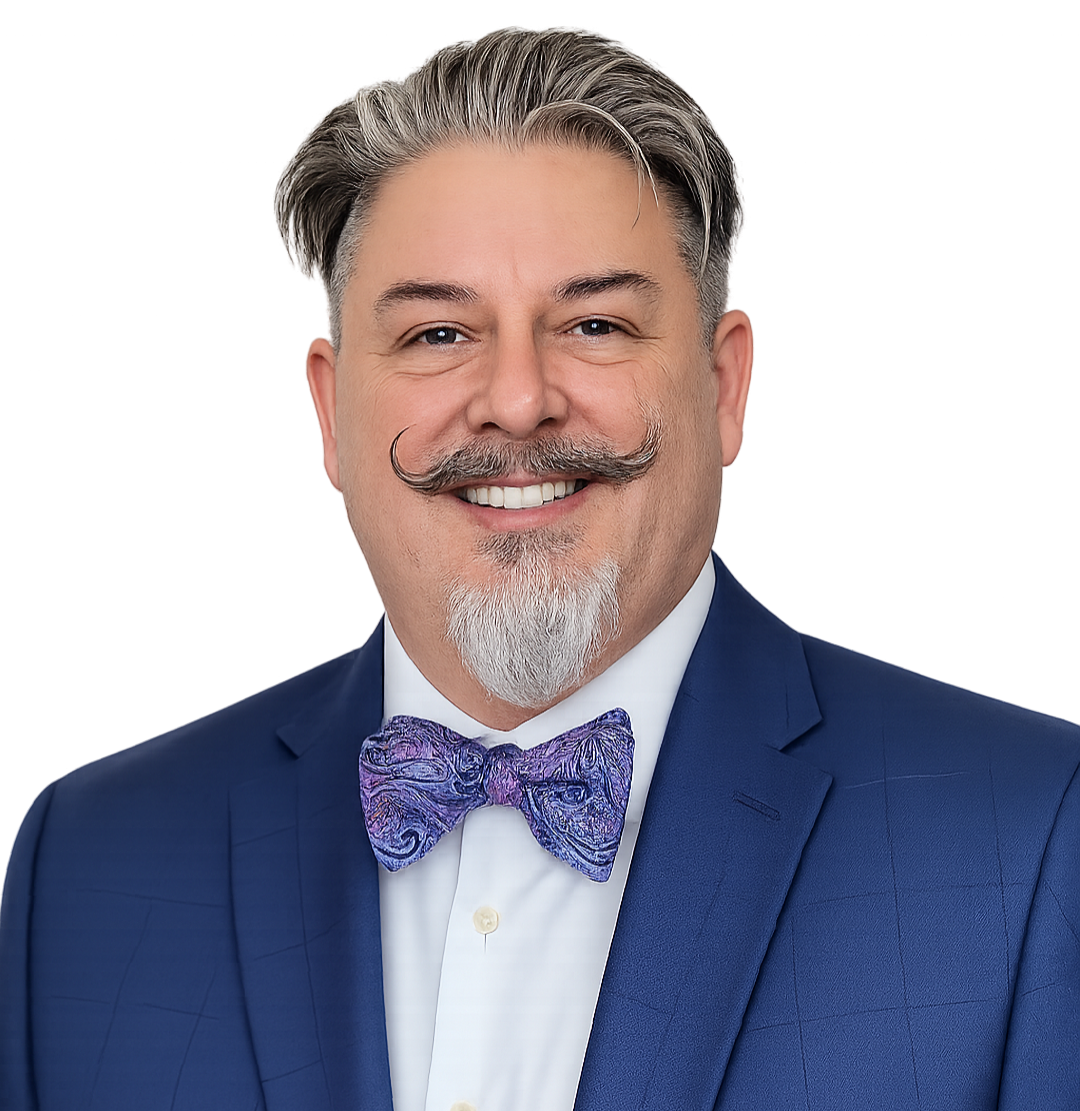
Detroit Criminal Defense Attorney
William Maze is an established Detroit Michigan attorney with nearly 28 years of criminal defense experience. He has represented thousands of satisfied clients across Michigan and maintains a national reputation as one of the leading criminal defense attorneys in the country.
Attorney Maze is a qualified expert witness in Standardized Field Sobriety Testing (SFST) and breath alcohol testing. His expertise includes:
Subscribe to @DUIMAZE for comprehensive criminal defense videos, case breakdowns, and legal strategy discussions.
If you are facing criminal charges, call William Maze today to schedule an appointment to review your case. Available 24/7 for emergencies.
Expert Criminal Defense Representation in Detroit's Judicial System
Primary Court for Detroit Criminal Cases
421 Madison Street, Detroit, MI 48226
(313) 965-2200
Felony Cases & Appeals from Detroit
5301 Russell Street, Detroit, MI 48211
(313) 224-5261
As a criminal defense attorney in Detroit, I provide specialized representation tailored to Detroit's unique legal landscape. For many years, my downtown Detroit office was located in the Ford Building on the same floor where Clarence Darrow mounted his famous defense of Dr. Ossian Sweet. In the famous 1925 Sweet Trials, Darrow successfully argued against racial prejudice in a murder case, asserting a Black family's right to live in a white neighborhood, a landmark civil rights victory. Darrow took the case after the Sweets were attacked in their new Detroit home, leading to a deadly confrontation and a trial that highlighted racial tensions in Detroit.
Each court has its own procedures, judges, and local rules. My extensive experience with Detroit's court system includes:
I provide criminal defense services throughout Detroit including:
If you're facing criminal charges in Detroit or Wayne County, contact my office today at (313) 792-8800 for a free, confidential consultation.
Get Expert Legal Advice for Your Detroit Criminal Case
Facing criminal charges in Detroit can be overwhelming. Contact me today for a free, confidential consultation at my Detroit office.
24/7 Emergency: (313) 792-8800
Office Hours: Mon-Fri 9am-5pm
Weekend/Evening: Appointments Available