Aggressive Defense Strategies for Federal Drug Crimes · Free Case Evaluation · 24/7 Emergency Availability
28+ Years Experience
Expert in Detroit Courts
36th District & Third Circuit Court
Recognized for Excellence in Criminal Defense Representation





Aggressive Representation on Federal Drug Crimes Cases in Wayne County
Federal Drug Crimes Defense strategies for federal drug investigations touching Detroit, including wiretaps, conspiracy, and sentencing exposure under federal and Michigan law.
Federal drug investigations in the Detroit area often involve task forces, wiretaps, conspiracy allegations, and coordinated search warrants. Even when conduct overlaps Michigan law, federal charging can increase exposure and complexity.
Early defense work focuses on the investigation timeline, the legality of searches, and the accuracy of drug quantity attribution. Conspiracy theories frequently attempt to attribute quantities across multiple people and events.
Digital evidence, including phones, messaging platforms, and cloud accounts, is common. The defense should evaluate warrant scope and whether officers exceeded authorization when collecting or reviewing data.
Coordinating strategy across potential state and federal exposure is essential, including preserving suppression issues and controlling statements that can be used across proceedings.
Some Detroit drug investigations move from state court into federal court because of alleged conspiracies, interstate movement, wiretaps, or joint task-force involvement. Even when the conduct also violates Michigan statutes like MCL 333.7401, federal charging decisions can change exposure because federal sentencing practices are driven by guideline calculations, mandatory minimums in certain cases, and broad conspiracy theories.
From the defense perspective, early work focuses on how the investigation was built. Federal cases frequently involve confidential sources, controlled purchases, Title III wiretaps, search warrants for phones and cloud accounts, and coordinated searches at multiple locations. The factual record is often long and narrative-driven, which makes it important to identify where the government is stacking inferences, attributing drug quantities through hearsay, or imputing conduct across alleged co-conspirators.
When federal and state conduct overlap, it remains important to litigate search-and-seizure issues, particularly the adequacy of warrant affidavits and the scope of digital searches. If the case begins with local police activity, the defense should also evaluate the initial stop, the duration of detention, and any consent or warrantless search theories that produced the evidence that later became “federal.”
Finally, venue and transaction location issues can remain relevant, particularly where the government seeks to anchor proceedings in a chosen district. Michigan venue principles in state prosecutions illustrate the broader point that location matters when an offense is defined by conduct rather than consequences. A careful defense plan accounts for parallel exposure, preserves suppression issues, and targets drug quantity and role allegations that often drive the most severe outcomes.
Even when the evidence is strong, the defense should evaluate sentencing exposure with precision. Drug weights, alleged role, and prior convictions can influence charging and the ultimate sentencing recommendation, and that exposure can also shape bond decisions and plea posture. In appropriate cases, negotiating for reduced charges, non-reporting probation, delayed sentencing options where legally available, or treatment-oriented terms can materially reduce risk while preserving the client’s ability to work and maintain family stability. Mitigation is most persuasive when it is documented, specific, and tied to lawful sentencing factors rather than generalized appeals. A trial-ready posture, coupled with disciplined mitigation, generally produces better outcomes than approaching the case as an administrative task.
Courts and prosecutors also focus on where the charged conduct occurred and what act completes the offense. For example, venue can be contested when events span counties, and Michigan’s appellate decisions emphasize that consequences alone do not automatically establish venue when the statute punishes a particular act. In People v McBurrows, 504 Mich 308 (2019), the Michigan Supreme Court analyzed venue for a delivery causing death charge and rejected an overbroad venue theory where the delivery occurred elsewhere. A careful venue and element analysis can narrow the case to what the admissible evidence actually supports.
As a Detroit criminal defense attorney, I provide specialized expertise in Detroit's court systems. I understand the specific procedures, judges, and prosecutors in Detroit courts, giving my clients a distinct advantage in their criminal defense cases.
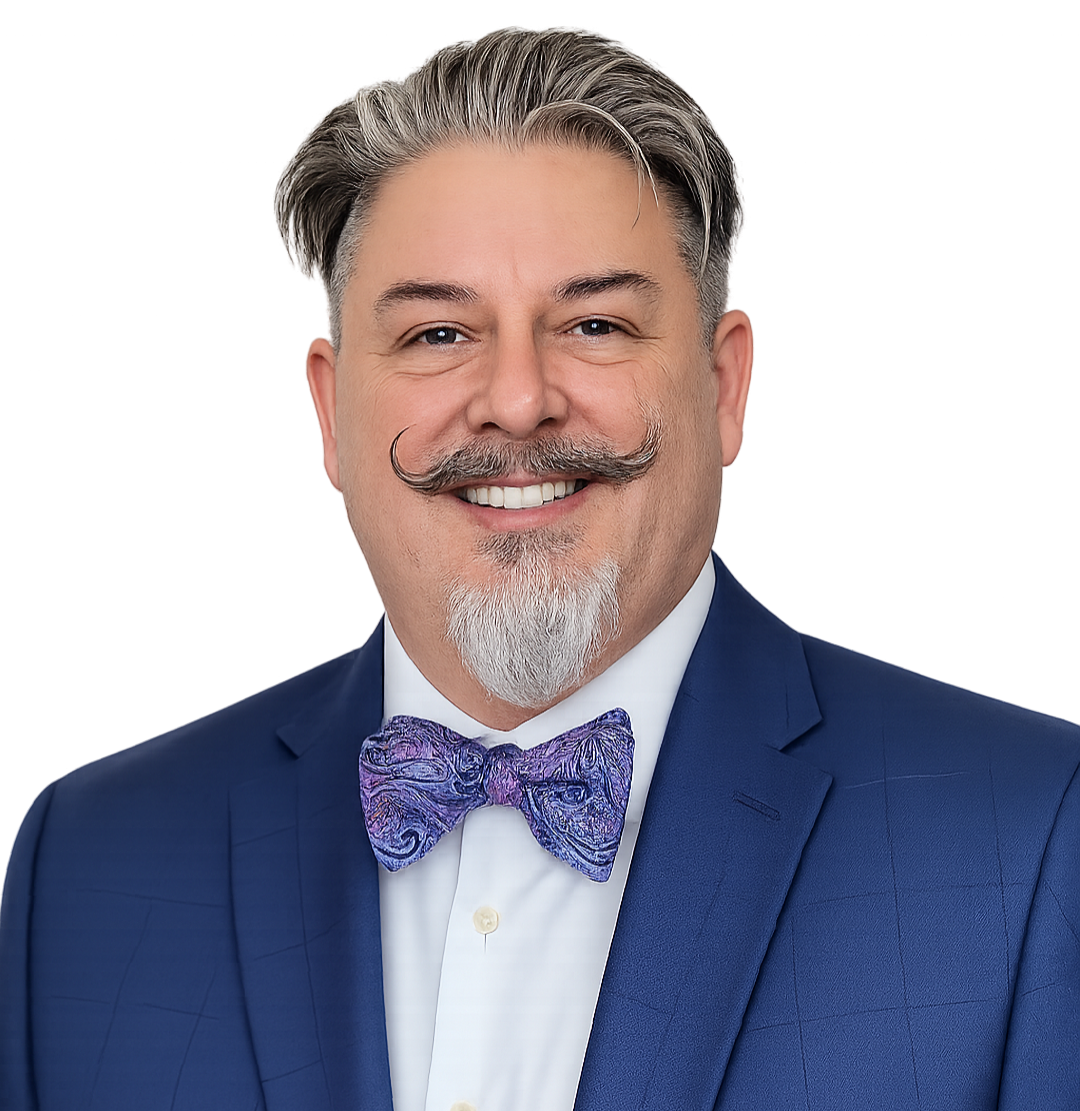
Detroit Criminal Defense Attorney
William Maze is an established Detroit Michigan attorney with nearly 28 years of criminal defense experience. He has represented thousands of satisfied clients across Michigan and maintains a national reputation as one of the leading criminal defense attorneys in the country.
Attorney Maze is a qualified expert witness in Standardized Field Sobriety Testing (SFST) and breath alcohol testing. His expertise includes:
Subscribe to @DUIMAZE for comprehensive criminal defense videos, case breakdowns, and legal strategy discussions.
If you are facing criminal charges, call William Maze today to schedule an appointment to review your case. Available 24/7 for emergencies.
Expert Criminal Defense Representation in Detroit's Judicial System
Primary Court for Detroit Criminal Cases
421 Madison Street, Detroit, MI 48226
(313) 965-2200
Felony Cases & Appeals from Detroit
5301 Russell Street, Detroit, MI 48211
(313) 224-5261
As a criminal defense attorney in Detroit, I provide specialized representation tailored to Detroit's unique legal landscape. For many years, my downtown Detroit office was located in the Ford Building on the same floor where Clarence Darrow mounted his famous defense of Dr. Ossian Sweet. In the famous 1925 Sweet Trials, Darrow successfully argued against racial prejudice in a murder case, asserting a Black family's right to live in a white neighborhood, a landmark civil rights victory. Darrow took the case after the Sweets were attacked in their new Detroit home, leading to a deadly confrontation and a trial that highlighted racial tensions in Detroit.
Each court has its own procedures, judges, and local rules. My extensive experience with Detroit's court system includes:
I provide criminal defense services throughout Detroit including:
If you're facing criminal charges in Detroit or Wayne County, contact my office today at (313) 792-8800 for a free, confidential consultation.
Get Expert Legal Advice for Your Detroit Criminal Case
Facing criminal charges in Detroit can be overwhelming. Contact me today for a free, confidential consultation at my Detroit office.
24/7 Emergency: (313) 792-8800
Office Hours: Mon-Fri 9am-5pm
Weekend/Evening: Appointments Available