Aggressive Defense Strategies for How Long Does a Felony Case Take · Free Case Evaluation · 24/7 Emergency Availability
28+ Years Experience
Expert in Detroit Courts
36th District & Third Circuit Court
Recognized for Excellence in Criminal Defense Representation





Focused representation for how long does a felony case take matters in Wayne County
A realistic timeline for Michigan felony cases, including arraignment, probable cause conference, preliminary exam, circuit court proceedings, motion practice, and trial scheduling in Wayne County.
Clients often want a straightforward timeline, but felony cases vary based on the charge, the court’s docket, and whether key issues require litigation. Detroit and Wayne County scheduling practices also matter.
Some cases resolve quickly through negotiated reductions. Others require a contested preliminary examination, suppression motions, forensic review, or trial, each of which can add meaningful time.
A good timeline plan balances speed with accuracy. Moving too fast can produce avoidable mistakes, while unmanaged delay can increase costs, anxiety, and pretrial restrictions.
This page outlines the usual phases of a Michigan felony case and explains the factors that most often lengthen, or shorten, the overall timeline.
Felony timelines in Michigan are shaped by two structural features: district court screening and circuit court litigation. After arrest, arraignment must occur without unnecessary delay. See MCR 6.104(A). In most Detroit cases, the court sets a probable cause conference and a preliminary examination date at or near arraignment. See MCL 766.4; MCR 6.110(A). Those early dates control how quickly the defense receives discovery, evaluates suppression issues, and negotiates resolution.
The preliminary examination is a statutory right in Michigan, designed to determine whether a felony was committed and whether probable cause supports bindover. People v Hall, 435 Mich 599, 603 (1990). When bindover is contested, adjournments may occur for witness availability, discovery, or motion briefing. Even when the preliminary examination is waived, the case still transitions to circuit court, where arraignment on the information, scheduling, and motion cutoffs follow.
In circuit court, felony timelines are heavily influenced by motion practice, forensic testing, expert review, and the court’s docket. Suppression motions, discovery disputes, and evidentiary hearings can add months, but they also create opportunities for dismissal or charge reduction when the evidence is weak or unlawfully obtained. When a case is set for trial, scheduling depends on judge availability and the number of pending matters.
Speed is not always the defense objective, but delay should be controlled and strategically justified. Michigan recognizes speedy-trial protections, and courts balance the length of delay, reasons for delay, the defendant’s assertion of the right, and prejudice. People v Williams, 475 Mich 245, 261 (2006); see also MCR 6.004(A). A disciplined timeline plan, documented on the record, helps ensure that necessary litigation does not become harmful, unmanaged delay.
Defense planning should also account for the “hidden” sources of delay. Subpoenaing video from private businesses, locating witnesses, and obtaining laboratory data packages can take weeks. Expert review, especially in cases involving forensic testing, digital evidence, or complex medical records, often requires scheduling and budgeting decisions that affect the overall timeline. Counsel can reduce delay by making early, specific discovery requests and by insisting on realistic motion and trial dates that reflect the amount of litigation actually required. Where the prosecution seeks repeated adjournments without good cause, the defense should object on the record and consider formal demands that preserve later speedy-trial arguments.
In close cases, a short written brief filed early, supported by rules, statutes, and record citations, often does more than oral argument alone, because it anchors the judge’s decision in a stable legal framework.
As a Detroit criminal defense attorney, I provide specialized expertise in Detroit's court systems. I understand the specific procedures, judges, and prosecutors in Detroit courts, giving my clients a distinct advantage in their criminal defense cases.
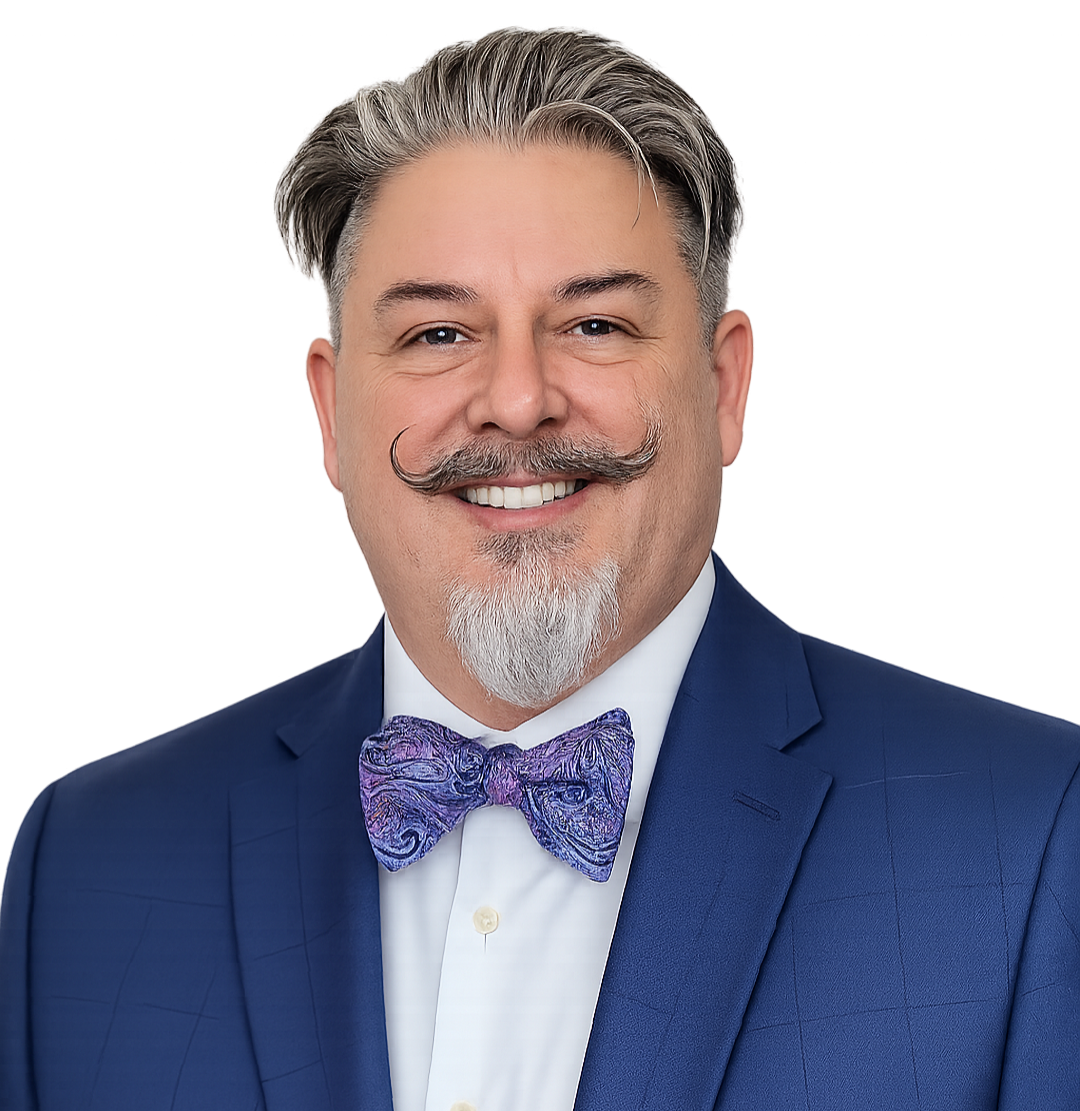
Detroit Criminal Defense Attorney
William Maze is an established Detroit Michigan attorney with nearly 28 years of criminal defense experience. He has represented thousands of satisfied clients across Michigan and maintains a national reputation as one of the leading criminal defense attorneys in the country.
Attorney Maze is a qualified expert witness in Standardized Field Sobriety Testing (SFST) and breath alcohol testing. His expertise includes:
Subscribe to @DUIMAZE for comprehensive criminal defense videos, case breakdowns, and legal strategy discussions.
If you are facing criminal charges, call William Maze today to schedule an appointment to review your case. Available 24/7 for emergencies.
Expert Criminal Defense Representation in Detroit's Judicial System
Primary Court for Detroit Criminal Cases
421 Madison Street, Detroit, MI 48226
(313) 965-2200
Felony Cases & Appeals from Detroit
5301 Russell Street, Detroit, MI 48211
(313) 224-5261
As a criminal defense attorney in Detroit, I provide specialized representation tailored to Detroit's unique legal landscape. For many years, my downtown Detroit office was located in the Ford Building on the same floor where Clarence Darrow mounted his famous defense of Dr. Ossian Sweet. In the famous 1925 Sweet Trials, Darrow successfully argued against racial prejudice in a murder case, asserting a Black family's right to live in a white neighborhood, a landmark civil rights victory. Darrow took the case after the Sweets were attacked in their new Detroit home, leading to a deadly confrontation and a trial that highlighted racial tensions in Detroit.
Each court has its own procedures, judges, and local rules. My extensive experience with Detroit's court system includes:
I provide criminal defense services throughout Detroit including:
If you're facing criminal charges in Detroit or Wayne County, contact my office today at (313) 792-8800 for a free, confidential consultation.
Get Expert Legal Advice for Your Detroit Criminal Case
Facing criminal charges in Detroit can be overwhelming. Contact me today for a free, confidential consultation at my Detroit office.
24/7 Emergency: (313) 792-8800
Office Hours: Mon-Fri 9am-5pm
Weekend/Evening: Appointments Available