Aggressive Defense Strategies for Detroit Drug Crimes Defense · Free Case Evaluation · 24/7 Emergency Availability
28+ Years Experience
Expert in Detroit Courts
36th District & Third Circuit Court
Recognized for Excellence in Criminal Defense Representation





Aggressive Representation on Detroit Drug Crimes Defense Cases in Wayne County
Detroit Drug Crimes Defense Detroit drug crimes defense lawyer helping clients fight possession, delivery, and trafficking charges in Wayne County with focused, strategic representation.
Detroit drug cases can arise from traffic stops, home searches, controlled buys, and multi-agency investigations. Early defense work focuses on the legality of the police encounter, the strength of probable cause, and whether the evidence is admissible.
Michigan drug offenses are primarily prosecuted under the Public Health Code. Penalties often depend on the alleged substance, weight, and whether the charge is framed as possession, possession with intent, delivery, or manufacture. Small differences in the charge theory can substantially change sentencing exposure.
Effective defense strategies commonly include motions challenging stops and searches, warrants based on informants, and the reliability of identification and laboratory testing. Constructive possession theories, chain of custody, and intent inferences are frequent pressure points in Wayne County prosecutions.
This section collects practical guides for common Detroit drug crime scenarios, including possession, delivery allegations, federal overlap, forfeiture, and repeat-offender exposure. Each page is designed to help you understand how the process works and where strong defenses are often found.
Drug prosecutions in Detroit commonly turn on two questions that can be litigated early: whether the police had lawful grounds to stop, detain, and search, and whether the evidence actually proves the charged drug offense beyond a reasonable doubt. Michigan’s controlled substances framework is largely found in the Public Health Code, including delivery or manufacture offenses under MCL 333.7401 and simple possession offenses under MCL 333.7403. Even when the charging document uses broad language, the prosecution still must prove the specific elements, including the identity of the substance, the weight where weight drives the penalty, and the defendant’s connection to the drugs.
A recurring defense issue is possession proof. Michigan allows the prosecution to argue constructive possession, but constructive possession is not presumed from mere presence, and it requires evidence of knowledge and the right to control the substance. Courts have long recognized that proximity alone is not enough, and a defense strategy often focuses on separating the client from the location where contraband was found, highlighting shared access, and challenging inferences drawn from packaging or paraphernalia.
Search-and-seizure litigation is equally central. Many drug cases start with traffic stops, consent searches, warrantless searches of vehicles, or search warrants supported by confidential informants. Probable cause and nexus challenges can be outcome determinative, particularly where an affidavit relies on stale information or uncorroborated informant claims. When a warrant is involved, the defense should scrutinize the affidavit, the place to be searched, and the items to be seized, and should preserve suppression arguments under the Fourth Amendment and Michigan’s constitutional protections.
Finally, venue and causation issues can matter in drug cases that involve intermediaries or allegations that drugs caused death. In People v McBurrows, 504 Mich 308 (2019), the Michigan Supreme Court addressed venue in a delivery causing death prosecution and emphasized the need for a legally sufficient basis to prosecute in a county that is not the site of the delivery. These issues, along with sentencing consequences and collateral effects on licensing and employment, are reasons to treat drug charges as litigation matters rather than paperwork cases.
In warrant litigation, the defense can assess whether the affidavit established a fair probability that evidence would be found at the place searched, and whether the police corroborated any informant claims. Michigan courts have addressed probable cause and informant reliability in cases such as People v Kazmierczak, 461 Mich 411 (2000). Vehicle-search issues also arise frequently in Detroit drug cases, and the defense should evaluate whether officers had probable cause or a valid exception before searching a car, including whether any claimed consent was voluntary. In addition, the timeline of the stop and any prolonged detention can be critical to suppression. Early, written motions with a developed record often determine whether the case proceeds on admissible evidence or collapses after suppression.
As a Detroit criminal defense attorney, I provide specialized expertise in Detroit's court systems. I understand the specific procedures, judges, and prosecutors in Detroit courts, giving my clients a distinct advantage in their criminal defense cases.
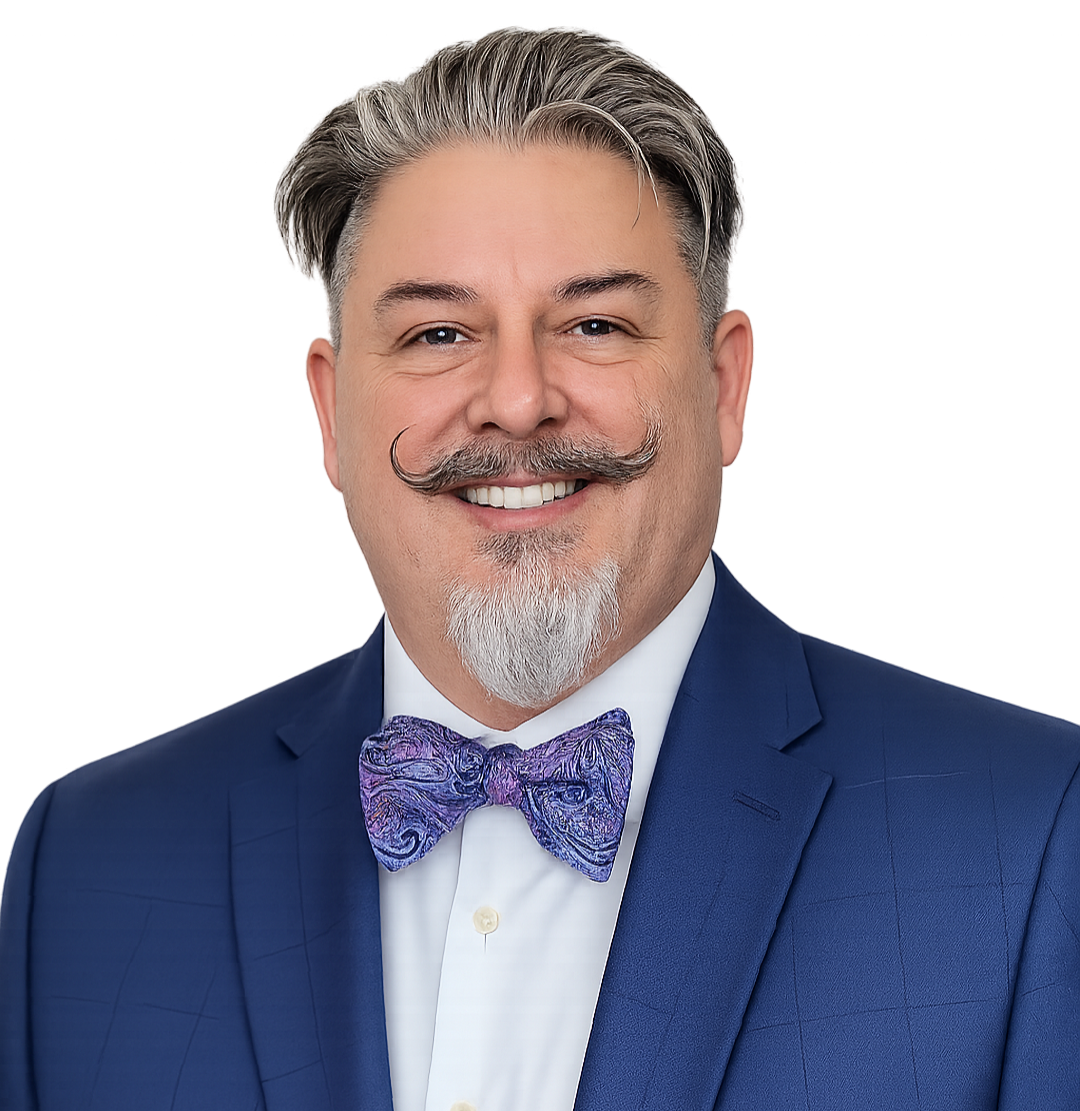
Detroit Criminal Defense Attorney
William Maze is an established Detroit Michigan attorney with nearly 28 years of criminal defense experience. He has represented thousands of satisfied clients across Michigan and maintains a national reputation as one of the leading criminal defense attorneys in the country.
Attorney Maze is a qualified expert witness in Standardized Field Sobriety Testing (SFST) and breath alcohol testing. His expertise includes:
Subscribe to @DUIMAZE for comprehensive criminal defense videos, case breakdowns, and legal strategy discussions.
If you are facing criminal charges, call William Maze today to schedule an appointment to review your case. Available 24/7 for emergencies.
Expert Criminal Defense Representation in Detroit's Judicial System
Primary Court for Detroit Criminal Cases
421 Madison Street, Detroit, MI 48226
(313) 965-2200
Felony Cases & Appeals from Detroit
5301 Russell Street, Detroit, MI 48211
(313) 224-5261
As a criminal defense attorney in Detroit, I provide specialized representation tailored to Detroit's unique legal landscape. For many years, my downtown Detroit office was located in the Ford Building on the same floor where Clarence Darrow mounted his famous defense of Dr. Ossian Sweet. In the famous 1925 Sweet Trials, Darrow successfully argued against racial prejudice in a murder case, asserting a Black family's right to live in a white neighborhood, a landmark civil rights victory. Darrow took the case after the Sweets were attacked in their new Detroit home, leading to a deadly confrontation and a trial that highlighted racial tensions in Detroit.
Each court has its own procedures, judges, and local rules. My extensive experience with Detroit's court system includes:
I provide criminal defense services throughout Detroit including:
If you're facing criminal charges in Detroit or Wayne County, contact my office today at (313) 792-8800 for a free, confidential consultation.
Get Expert Legal Advice for Your Detroit Criminal Case
Facing criminal charges in Detroit can be overwhelming. Contact me today for a free, confidential consultation at my Detroit office.
24/7 Emergency: (313) 792-8800
Office Hours: Mon-Fri 9am-5pm
Weekend/Evening: Appointments Available