Aggressive Defense Strategies for Know Your Rights During Police Questioning · Free Case Evaluation · 24/7 Emergency Availability
28+ Years Experience
Expert in Detroit Courts
36th District & Third Circuit Court
Recognized for Excellence in Criminal Defense Representation





Your Constitutional Right to Remain Silent and to Have an Attorney Present
One of the most common and most dangerous situations a person can face is being contacted by law enforcement and asked to come in for an interview—or being stopped and questioned on the street or in a vehicle. Experienced police investigators are highly skilled interviewers who are trained to elicit incriminating statements from willing subjects, and the willingness of ordinary people to speak with police in the hope of clearing up a misunderstanding is one of the most reliable sources of evidence that prosecutors use at trial. The constitutional protections available to persons questioned by police are powerful—but they must be actively and clearly invoked to be effective.
The Fifth Amendment to the United States Constitution, applicable to state criminal proceedings through the Fourteenth Amendment, provides that no person shall be compelled in any criminal case to be a witness against himself. In practice, this means that neither a person in custody nor a person who is voluntarily cooperating with an investigation is required to answer any question asked by a law enforcement officer. This right is not limited to formal proceedings—it applies in the police station, in the back of a patrol car, on the street, and in your own home. A person who has been asked to speak with police about a potential criminal matter has the right to respond by saying: "I would like to speak with an attorney before I answer any questions," and then to say nothing further until counsel is present.
The right to counsel during police questioning operates through two distinct constitutional provisions. The Fifth Amendment–based prophylactic right established in Miranda v Arizona, 384 US 436 (1966), requires that when a person is subjected to custodial interrogation, law enforcement officers must advise that person of the right to remain silent, that anything said can be used against them in court, that they have the right to an attorney before and during questioning, and that if they cannot afford an attorney one will be appointed for them. These warnings must be given before any custodial interrogation begins—and a statement obtained without proper Miranda warnings in a custodial setting may be suppressed. The Sixth Amendment right to counsel, which attaches upon the formal commencement of adversary judicial proceedings, provides an additional layer of protection once a person has been charged.
Even persons who have not been placed under arrest and are speaking with police "voluntarily" must understand that no legal obligation requires them to cooperate with an investigation or to answer any investigative question. Michigan courts have consistently recognized that a person who is not in custody has no right to Miranda warnings, but retains the full Fifth Amendment right to decline to answer questions that might tend to incriminate them. The decision to speak with police without an attorney—even in an informal setting—is almost always a mistake that experienced defense attorneys routinely advise against. Attorney William Maze is available around the clock to speak with clients who have been contacted by law enforcement and to intervene with investigators on their behalf before any interview takes place.
The constitutional framework governing police interrogation in Michigan begins with Miranda v Arizona, 384 US 436 (1966), in which the United States Supreme Court held that the prosecution may not use a statement obtained during custodial interrogation unless the person was previously warned of the right to remain silent, told that statements may be used against them, informed of the right to have an attorney present, and told that counsel will be appointed if they cannot afford one. The threshold question in any Miranda challenge is whether the person was "in custody" at the time of the statement—custody meaning either formal arrest or a restraint on freedom of movement of the degree associated with formal arrest. Stansbury v California, 511 US 318 (1994).
Michigan courts have developed significant case law on the custody and interrogation requirements of Miranda. The criminal defendant's right to counsel under the Fifth Amendment–based Miranda framework and under the Sixth Amendment framework are analytically distinct. The Sixth Amendment right "does not generally attach until adversary judicial proceedings are formally initiated, even if the government has sufficient evidence to arrest the suspect." People v Wade, ___ Mich ___ (2024). By contrast, Miranda's Fifth Amendment–based right to counsel during custodial interrogation applies from the moment custody begins, regardless of whether formal charges have been filed. A statement obtained through custodial interrogation in violation of Miranda is inadmissible in the prosecution's case-in-chief. The defendant's statement may also be challenged on the separate, broader ground that it was involuntary under the totality of circumstances test applicable to pre-Miranda and non-custodial questioning.
Waiver of Miranda rights must be voluntary, knowing, and intelligent. "A waiver is intelligently made when the Miranda warnings are explained" to the subject in a manner the subject can understand. People v Brannon, 194 Mich App 121 (1992). Where the defendant has a hearing impairment or limited English proficiency, the adequacy of the Miranda warnings as actually communicated is subject to challenge; Michigan courts have held that a hearing-impaired defendant's waiver of Miranda rights must be established through evidence that the defendant comprehended the rights and intelligently waived them. People v Brannon, 194 Mich App 121 (1992).
Invocation of the right to counsel or the right to remain silent must be unambiguous to be effective. Once an unambiguous invocation is made, all questioning must cease and any statement obtained in violation of that invocation is subject to suppression. Defense counsel evaluating a statement made by a client to police should carefully review the audio or video recording of the interview—which Detroit police are required to make in most felony investigations—for evidence of inadequate Miranda warnings, ambiguous or coerced waivers, and questioning that continued after an arguable invocation of rights. The obligation to suppress statements obtained in violation of Miranda protects the defendant not only from use of the statements as substantive evidence but also limits their use for impeachment purposes under the standard established in Harris v New York, 401 US 222 (1971), which allows limited impeachment use of statements obtained in technical violation of Miranda provided they were otherwise voluntary.
Persons who have been asked to speak with police should understand that the decision is entirely theirs, that exercising constitutional rights is not evidence of guilt, and that an experienced criminal defense attorney can accompany them to any interview, monitor the questioning, advise them on which questions to answer, and assert privilege as to any question that risks incrimination. Attorney William Maze regularly accompanies clients to police interviews and is available to do so on short notice. The best time to call is before the interview—not after a statement has already been made.
As a Detroit criminal defense attorney, I provide specialized expertise in Detroit's court systems. I understand the specific procedures, judges, and prosecutors in Detroit courts, giving my clients a distinct advantage in their criminal defense cases.
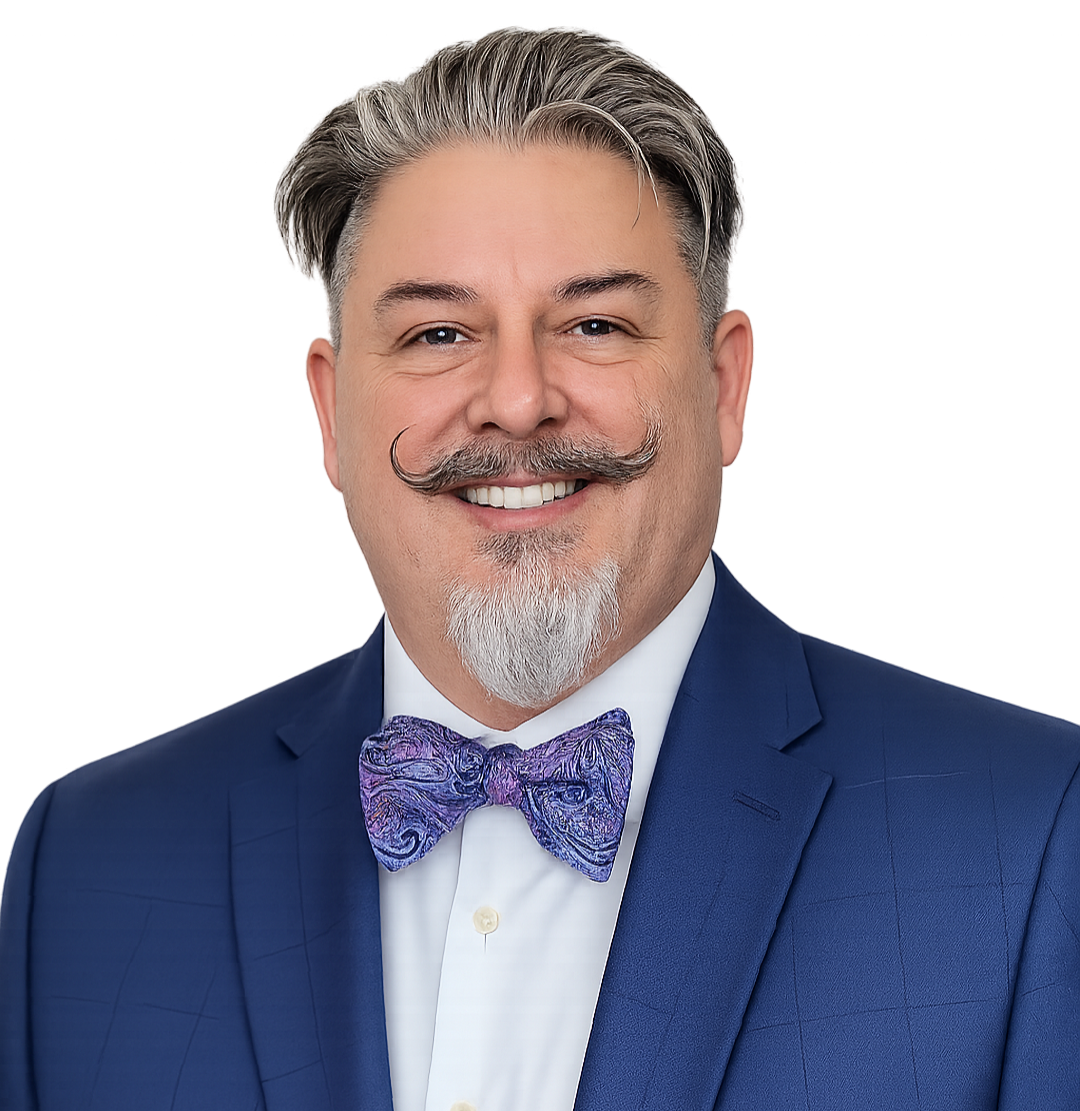
Detroit Criminal Defense Attorney
William Maze is an established Detroit Michigan attorney with nearly 28 years of criminal defense experience. He has represented thousands of satisfied clients across Michigan and maintains a national reputation as one of the leading criminal defense attorneys in the country.
Attorney Maze is a qualified expert witness in Standardized Field Sobriety Testing (SFST) and breath alcohol testing. His expertise includes:
Subscribe to @DUIMAZE for comprehensive criminal defense videos, case breakdowns, and legal strategy discussions.
If you are facing criminal charges, call William Maze today to schedule an appointment to review your case. Available 24/7 for emergencies.
Expert Criminal Defense Representation in Detroit's Judicial System
Primary Court for Detroit Criminal Cases
421 Madison Street, Detroit, MI 48226
(313) 965-2200
Felony Cases & Appeals from Detroit
5301 Russell Street, Detroit, MI 48211
(313) 224-5261
As a criminal defense attorney in Detroit, I provide specialized representation tailored to Detroit's unique legal landscape. For many years, my downtown Detroit office was located in the Ford Building on the same floor where Clarence Darrow mounted his famous defense of Dr. Ossian Sweet. In the famous 1925 Sweet Trials, Darrow successfully argued against racial prejudice in a murder case, asserting a Black family's right to live in a white neighborhood, a landmark civil rights victory. Darrow took the case after the Sweets were attacked in their new Detroit home, leading to a deadly confrontation and a trial that highlighted racial tensions in Detroit.
Each court has its own procedures, judges, and local rules. My extensive experience with Detroit's court system includes:
I provide criminal defense services throughout Detroit including:
If you're facing criminal charges in Detroit or Wayne County, contact my office today at (313) 792-8800 for a free, confidential consultation.
Get Expert Legal Advice for Your Detroit Criminal Case
Facing criminal charges in Detroit can be overwhelming. Contact me today for a free, confidential consultation at my Detroit office.
24/7 Emergency: (313) 792-8800
Office Hours: Mon-Fri 9am-5pm
Weekend/Evening: Appointments Available