Aggressive Defense Strategies for Michigan Criminal Process · Free Case Evaluation · 24/7 Emergency Availability
28+ Years Experience
Expert in Detroit Courts
36th District & Third Circuit Court
Recognized for Excellence in Criminal Defense Representation





Focused representation for michigan criminal process matters in Wayne County
Understand Michigan’s criminal procedure from arrest or citation through arraignment, bond, discovery, preliminary examination, motions, plea, trial, and sentencing, with Detroit and Wayne County context.
Michigan criminal procedure is designed to move a case from arrest or citation to resolution through a series of structured hearings, deadlines, and evidentiary rules. Understanding the sequence reduces uncertainty and improves decision-making.
Most cases involve early decisions about counsel, bond, and discovery. Those issues often matter more than the label on the charge because they determine what evidence will be developed and what restrictions will apply while the case is pending.
Felony cases typically include a district-court screening step before moving to circuit court, while most misdemeanors remain in district court. Each path has different leverage points for negotiations and motions.
This page provides an overview of the process and links to the most important individual stages so you can understand what is happening and why.
Michigan criminal procedure generally moves in stages that are designed to screen cases early, protect constitutional rights, and organize discovery and motions. After arrest, a person must be arraigned without unnecessary delay unless released beforehand. MCR 6.104(A). Arraignment triggers advisement of rights, appointment of counsel where appropriate, and pretrial release determinations. For felony matters, the court sets dates for the probable cause conference and preliminary examination, which becomes the first structured opportunity to test the prosecution’s evidence. See MCL 766.4; MCR 6.110.
The preliminary examination is a statutory right, and its core purpose is to determine whether a crime was committed and whether probable cause supports the defendant’s involvement. People v Hall, 435 Mich 599, 603 (1990). Decisions at this stage, including bindover, waiver, or negotiated reduction, shape whether the case remains a district-court misdemeanor or proceeds to circuit court on felony charges.
After bindover, circuit court proceedings focus on discovery, motion practice, and disposition. Defense motions can challenge searches, statements, identification procedures, expert evidence, and the sufficiency of charging documents. Plea negotiations often occur in parallel. If a plea is entered, Michigan procedure requires a record showing that the plea is understanding, voluntary, and accurate, and defects can support later withdrawal litigation under the court rules.
Throughout the case, time and prejudice matter. Michigan recognizes speedy-trial protections, and the remedy for a constitutional violation is dismissal with prejudice. MCR 6.004(A). Courts apply a four-factor balancing test. People v Williams, 475 Mich 245, 261 (2006). Effective defense work therefore combines early fact investigation, disciplined motion practice, and a record that preserves issues for negotiation, trial, and appeal.
A useful way to think about the process is by “decision points.” Arraignment decides liberty and conditions. The district-court phase decides whether a felony survives screening and what testimony is preserved under oath. Circuit-court litigation decides what evidence the jury can hear and whether the case should resolve by negotiated disposition or trial. Each decision point has deadlines and documentation requirements, and missed opportunities are difficult to repair later. For that reason, the best defense strategy is to build a complete file early, monitor compliance with bond and discovery orders, and make deliberate choices about when to push for an early resolution and when to litigate issues that can eliminate, or substantially weaken, the prosecution’s proof.
In close cases, a short written brief filed early, supported by rules, statutes, and record citations, often does more than oral argument alone, because it anchors the judge’s decision in a stable legal framework.
As a Detroit criminal defense attorney, I provide specialized expertise in Detroit's court systems. I understand the specific procedures, judges, and prosecutors in Detroit courts, giving my clients a distinct advantage in their criminal defense cases.
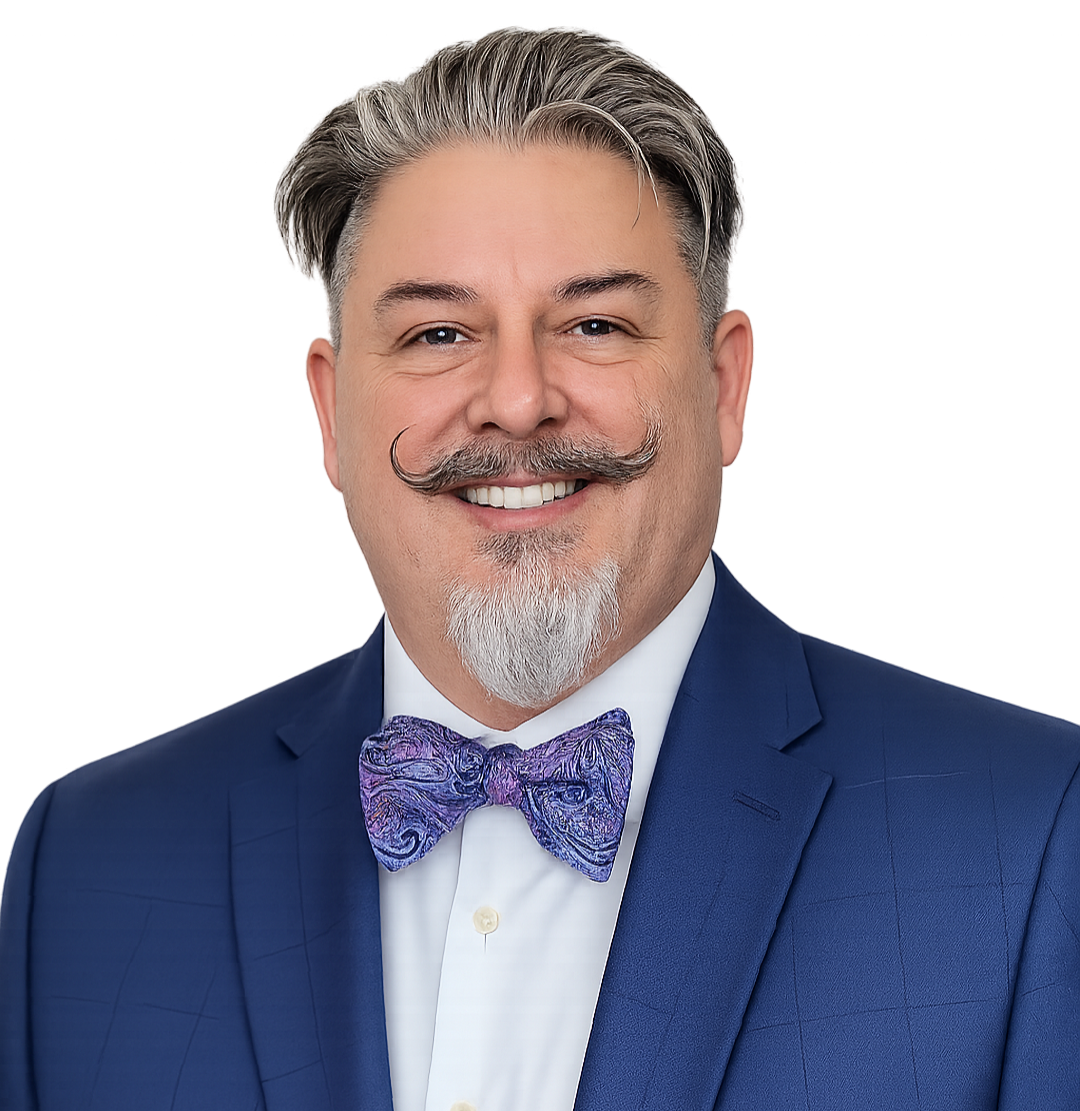
Detroit Criminal Defense Attorney
William Maze is an established Detroit Michigan attorney with nearly 28 years of criminal defense experience. He has represented thousands of satisfied clients across Michigan and maintains a national reputation as one of the leading criminal defense attorneys in the country.
Attorney Maze is a qualified expert witness in Standardized Field Sobriety Testing (SFST) and breath alcohol testing. His expertise includes:
Subscribe to @DUIMAZE for comprehensive criminal defense videos, case breakdowns, and legal strategy discussions.
If you are facing criminal charges, call William Maze today to schedule an appointment to review your case. Available 24/7 for emergencies.
Expert Criminal Defense Representation in Detroit's Judicial System
Primary Court for Detroit Criminal Cases
421 Madison Street, Detroit, MI 48226
(313) 965-2200
Felony Cases & Appeals from Detroit
5301 Russell Street, Detroit, MI 48211
(313) 224-5261
As a criminal defense attorney in Detroit, I provide specialized representation tailored to Detroit's unique legal landscape. For many years, my downtown Detroit office was located in the Ford Building on the same floor where Clarence Darrow mounted his famous defense of Dr. Ossian Sweet. In the famous 1925 Sweet Trials, Darrow successfully argued against racial prejudice in a murder case, asserting a Black family's right to live in a white neighborhood, a landmark civil rights victory. Darrow took the case after the Sweets were attacked in their new Detroit home, leading to a deadly confrontation and a trial that highlighted racial tensions in Detroit.
Each court has its own procedures, judges, and local rules. My extensive experience with Detroit's court system includes:
I provide criminal defense services throughout Detroit including:
If you're facing criminal charges in Detroit or Wayne County, contact my office today at (313) 792-8800 for a free, confidential consultation.
Get Expert Legal Advice for Your Detroit Criminal Case
Facing criminal charges in Detroit can be overwhelming. Contact me today for a free, confidential consultation at my Detroit office.
24/7 Emergency: (313) 792-8800
Office Hours: Mon-Fri 9am-5pm
Weekend/Evening: Appointments Available