Aggressive Defense Strategies for Federal Defense in the Eastern District of Michigan · Free Case Evaluation · 24/7 Emergency Availability
28+ Years Experience
Expert in Detroit Courts
36th District & Third Circuit Court
Recognized for Excellence in Criminal Defense Representation





Experienced Defense Before the Federal Bench in Detroit
The United States District Court for the Eastern District of Michigan is one of the busiest federal trial courts in the country. The Eastern District encompasses approximately 35 counties in the lower and upper peninsulas of Michigan, with its principal court located at the Theodore Levin United States Courthouse, 231 West Lafayette Boulevard, Detroit, Michigan 48226. The court operates four divisions — Detroit, Flint, Ann Arbor, and Bay City — each handling criminal cases arising from the counties assigned to that division. The Detroit division handles the largest volume of federal criminal cases in the district, covering Wayne, Oakland, Macomb, Monroe, and several other southeast Michigan counties. All federal criminal cases in Detroit are prosecuted by the United States Attorney's Office for the Eastern District of Michigan.
The Eastern District is presided over by a bench of Article III United States District Judges and Magistrate Judges. District judges are nominated by the President, confirmed by the Senate, and serve during good behavior (effectively lifetime appointments). Magistrate judges are appointed by the district judges for eight-year renewable terms and handle initial appearances, detention hearings, pretrial motions, and guilty pleas in felony cases (with consent). Understanding the practices and preferences of the individual judges assigned to a case is a critical component of effective federal criminal defense. Different judges have markedly different approaches to sentencing, trial scheduling, and the management of complex federal litigation — knowledge that comes only from regular practice in the court.
Criminal cases in the Eastern District are assigned randomly to district judges. The court operates under Local Criminal Rules that supplement the Federal Rules of Criminal Procedure and impose specific procedural requirements for filing motions, presenting evidence, and conducting trials. The Eastern District's Standing Orders, jury instructions, and sentencing practices reflect the individual preferences of each judge and must be thoroughly understood by defense counsel. Attorney Maze has extensive experience practicing before the federal bench in the Eastern District of Michigan and understands the institutional culture and procedural expectations of the court, giving his clients a meaningful advantage at every stage of the federal criminal process.
The Eastern District's criminal docket encompasses a wide range of federal offenses, including drug trafficking, firearms offenses, public corruption, health care fraud, cybercrime, human trafficking, terrorism, and organized crime. The district has been the site of numerous high-profile federal prosecutions involving Detroit public officials, auto industry figures, and organized crime enterprises. The United States Attorney's Office maintains specialized units for public corruption, health care fraud, cybercrime, and violent crime, each staffed by experienced career prosecutors with deep subject matter expertise. Retaining a federal defense attorney who matches that level of expertise and experience — and who practices regularly in the Eastern District — is essential for any defendant facing federal charges in Detroit.
The Eastern District of Michigan has been the venue for some of the most significant federal criminal prosecutions in the Midwest. The district's history includes Operation Greylord-style public corruption investigations, major organized crime prosecutions under RICO, and landmark cybercrime cases that have established precedent applied across the country. The United States Attorney's Office for the Eastern District, headquartered in Detroit, coordinates with FBI Field Office Detroit — one of the largest FBI field offices in the country — to investigate and prosecute complex federal criminal matters. Defense attorneys practicing in the Eastern District must be prepared to engage with this institutional infrastructure at every stage of a federal case.
The Sixth Circuit Court of Appeals, which reviews decisions of the Eastern District of Michigan, has issued important decisions in federal criminal law that shape how cases are litigated in Detroit. In United States v Houston, 813 F3d 282 (6th Cir 2016), the Sixth Circuit addressed standards for evaluating cell phone location data searches under the Fourth Amendment — an issue that the Supreme Court subsequently resolved in Carpenter v United States, 585 US 296 (2018), holding that the government must obtain a warrant before accessing historical cell site location information. These decisions are directly applicable to federal cases in Detroit where cell phone tracking evidence is at issue, and defense counsel must be current on the rapidly evolving Fourth Amendment jurisprudence governing digital evidence.
Federal detention pending trial is a major issue in Eastern District cases. The Bail Reform Act of 1984, 18 USC § 3142, governs pretrial detention in federal court and creates a presumption of detention for defendants charged with certain serious offenses, including drug trafficking carrying a maximum sentence of ten years or more. Overcoming the detention presumption requires a well-prepared detention hearing at which defense counsel presents evidence of the defendant's family ties, employment history, community connections, and absence of flight risk or dangerousness. NACDL has published extensive resources on federal pretrial detention advocacy and has consistently argued that the use of detention as a coercive plea tool violates the Due Process Clause. Attorney Maze prepares comprehensive detention hearing presentations designed to secure pretrial release wherever constitutionally justified.
The Eastern District also has a robust sentencing practice under the Guidelines. The district's probation office produces Presentence Investigation Reports (PSRs) that calculate the recommended Guidelines range and contain detailed factual summaries. Objecting to the PSR — both as to factual inaccuracies and as to Guidelines calculations — is a critical step in the sentencing process. In United States v Grams, 566 F3d 683 (6th Cir 2009), the Sixth Circuit reinforced the importance of specific objections to the PSR for preservation of appellate rights. Attorney Maze reviews every PSR with meticulous attention to Guidelines calculations, factual accuracy, and the availability of departures and variances under 18 USC § 3553(a), ensuring that his clients receive the most favorable sentence the law permits.
As a Detroit criminal defense attorney, I provide specialized expertise in Detroit's court systems. I understand the specific procedures, judges, and prosecutors in Detroit courts, giving my clients a distinct advantage in their criminal defense cases.
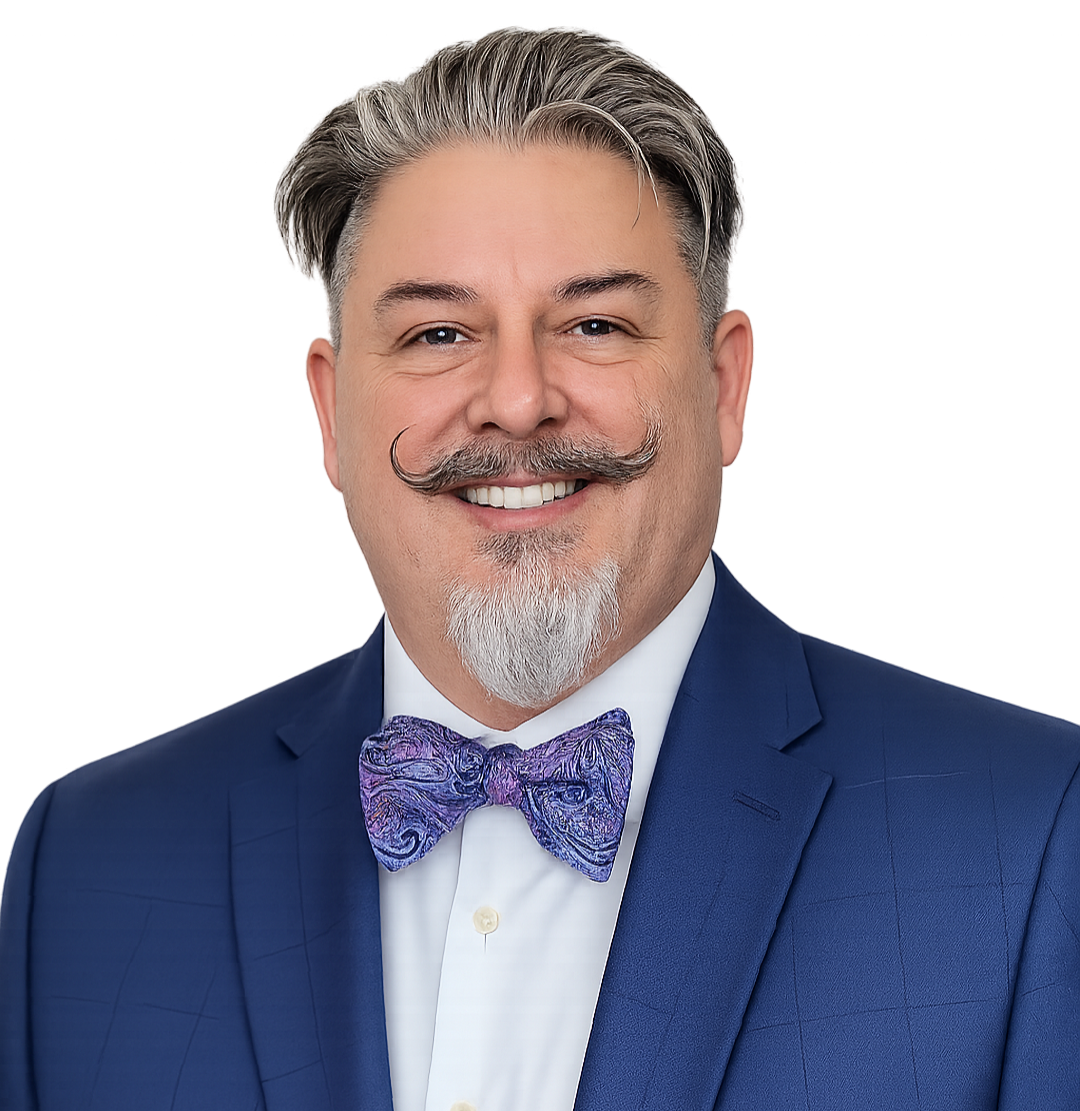
Detroit Criminal Defense Attorney
William Maze is an established Detroit Michigan attorney with nearly 28 years of criminal defense experience. He has represented thousands of satisfied clients across Michigan and maintains a national reputation as one of the leading criminal defense attorneys in the country.
Attorney Maze is a qualified expert witness in Standardized Field Sobriety Testing (SFST) and breath alcohol testing. His expertise includes:
Subscribe to @DUIMAZE for comprehensive criminal defense videos, case breakdowns, and legal strategy discussions.
If you are facing criminal charges, call William Maze today to schedule an appointment to review your case. Available 24/7 for emergencies.
Expert Criminal Defense Representation in Detroit's Judicial System
Primary Court for Detroit Criminal Cases
421 Madison Street, Detroit, MI 48226
(313) 965-2200
Felony Cases & Appeals from Detroit
5301 Russell Street, Detroit, MI 48211
(313) 224-5261
As a criminal defense attorney in Detroit, I provide specialized representation tailored to Detroit's unique legal landscape. For many years, my downtown Detroit office was located in the Ford Building on the same floor where Clarence Darrow mounted his famous defense of Dr. Ossian Sweet. In the famous 1925 Sweet Trials, Darrow successfully argued against racial prejudice in a murder case, asserting a Black family's right to live in a white neighborhood, a landmark civil rights victory. Darrow took the case after the Sweets were attacked in their new Detroit home, leading to a deadly confrontation and a trial that highlighted racial tensions in Detroit.
Each court has its own procedures, judges, and local rules. My extensive experience with Detroit's court system includes:
I provide criminal defense services throughout Detroit including:
If you're facing criminal charges in Detroit or Wayne County, contact my office today at (313) 792-8800 for a free, confidential consultation.
Get Expert Legal Advice for Your Detroit Criminal Case
Facing criminal charges in Detroit can be overwhelming. Contact me today for a free, confidential consultation at my Detroit office.
24/7 Emergency: (313) 792-8800
Office Hours: Mon-Fri 9am-5pm
Weekend/Evening: Appointments Available