Aggressive Defense Strategies for Operating While Visibly Impaired · Free Case Evaluation · 24/7 Emergency Availability
28+ Years Experience
Expert in Detroit Courts
36th District & Third Circuit Court
Recognized for Excellence in Criminal Defense Representation




Aggressive Representation for Operating While Visibly Impaired matters in Wayne County
Operating While Visibly Impaired, often charged as OWVI, is a common alternative to OWI in Detroit. It can be charged alone or used as a negotiated resolution, but it is still a serious offense with points, license consequences, and long-term record impact.
OWVI focuses on whether alcohol or drugs visibly impaired the driver’s ability to operate a vehicle. That standard frequently becomes a dispute about what was actually visible and whether the officer’s conclusions are supported by objective evidence, including dashcam and bodycam video.
In practice, OWVI cases turn on field sobriety tests, driving behavior, and observations such as speech, balance, and coordination. Those indicators are not unique to intoxication and can be explained by fatigue, injury, medical conditions, anxiety, or environmental factors.
A strong defense frames the case around proof and reliability. When the video does not match the narrative, or when the tests were administered under poor conditions, an OWVI charge can be vulnerable to reduction or dismissal.
Michigan’s OWVI offense is codified at MCL 257.625(3) and differs from OWI in the level and type of impairment the prosecution must prove. The Traffic Benchbook emphasizes that jury instructions distinguish between OWI under MCL 257.625(1) and OWVI under MCL 257.625(3), and it highlights case law explaining the OWVI focus on observable impairment rather than a specific alcohol level.
In People v. Lambert, the Michigan Supreme Court addressed the statutory meaning of “under the influence of intoxicating liquor” and contrasted it with being “impaired.” The Benchbook also cites People v. Oxendine and People v. Dupre in discussing impairment concepts and the interaction between marijuana and Michigan’s impairment statutes. In particular, Dupre explains that the Michigan Medical Marihuana Act does not supersede the OWVI statute and that “under the influence” under the MMMA is not limited to the OWI meaning.
Because OWVI is observation-driven, video is often central. The prosecution may point to bloodshot eyes, alleged odor, or test “clues,” but the defense can test whether those observations are reliable, whether the tests were administered properly, and whether alternative explanations fit the observed behavior.
OWVI also has practical consequences that should guide strategy. Points and licensing consequences can be significant, and a resolution that looks modest on paper can still create meaningful insurance and employment impacts. A defense plan should combine litigation leverage with a realistic risk assessment.
As a Detroit criminal defense attorney, I provide specialized expertise in Detroit's court systems. I understand the specific procedures, judges, and prosecutors in Detroit courts, giving my clients a distinct advantage in their criminal defense cases.
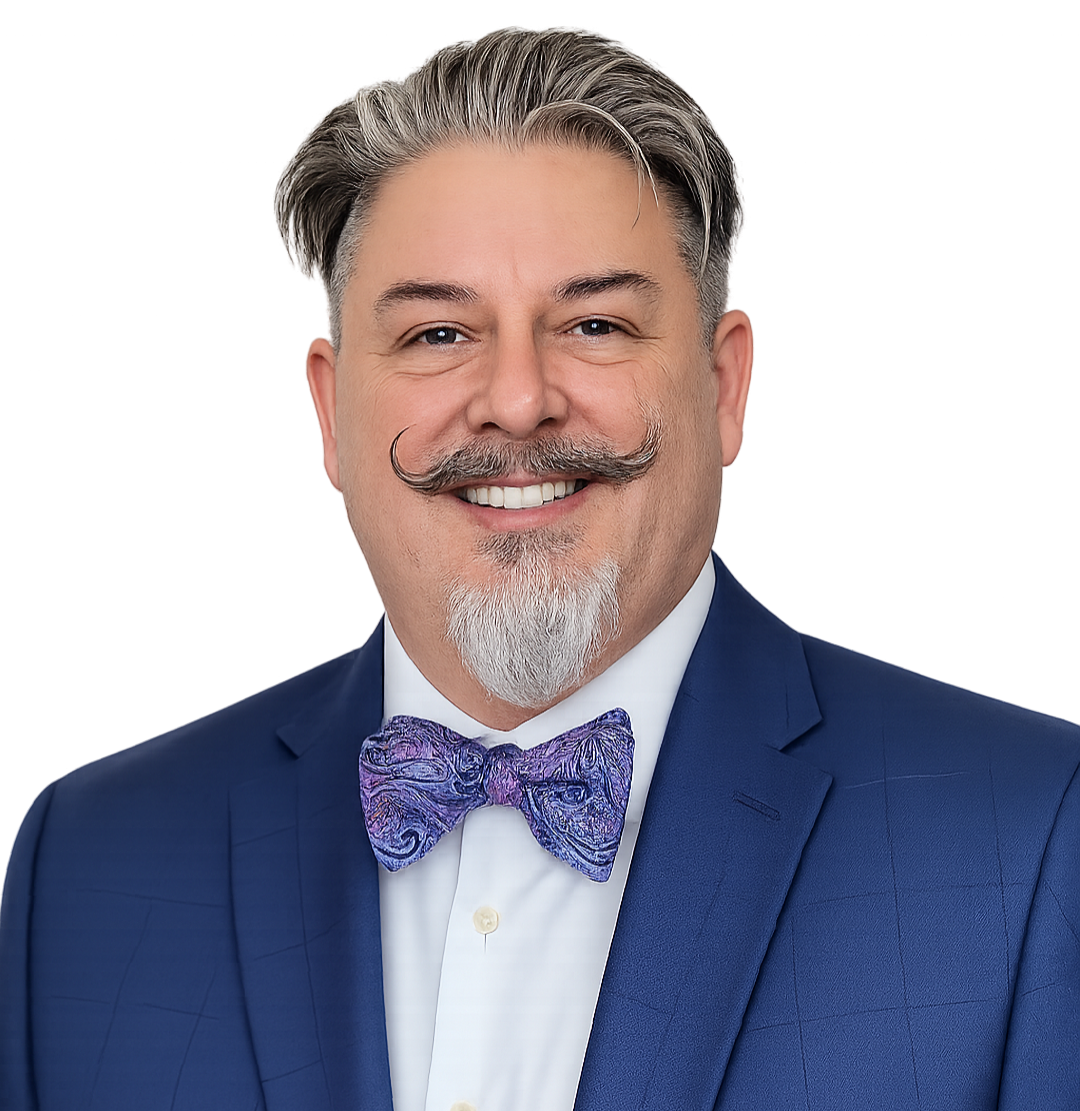
Detroit Criminal Defense Attorney
William Maze is an established Detroit Michigan attorney with nearly 28 years of criminal defense experience. He has represented thousands of satisfied clients across Michigan and maintains a national reputation as one of the leading criminal defense attorneys in the country.
Attorney Maze is a qualified expert witness in Standardized Field Sobriety Testing (SFST) and breath alcohol testing. His expertise includes:
Subscribe to @DUIMAZE for comprehensive criminal defense videos, case breakdowns, and legal strategy discussions.
If you are facing criminal charges, call William Maze today to schedule an appointment to review your case. Available 24/7 for emergencies.
Expert Criminal Defense Representation in Detroit's Judicial System
Primary Court for Detroit Criminal Cases
421 Madison Street, Detroit, MI 48226
(313) 965-2200
Felony Cases & Appeals from Detroit
5301 Russell Street, Detroit, MI 48211
(313) 224-5261
As a criminal defense attorney in Detroit, I provide specialized representation tailored to Detroit's unique legal landscape. For many years, my downtown Detroit office was located in the Ford Building on the same floor where Clarence Darrow mounted his famous defense of Dr. Ossian Sweet. In the famous 1925 Sweet Trials, Darrow successfully argued against racial prejudice in a murder case, asserting a Black family's right to live in a white neighborhood, a landmark civil rights victory. Darrow took the case after the Sweets were attacked in their new Detroit home, leading to a deadly confrontation and a trial that highlighted racial tensions in Detroit.
Each court has its own procedures, judges, and local rules. My extensive experience with Detroit's court system includes:
I provide criminal defense services throughout Detroit including:
If you're facing criminal charges in Detroit or Wayne County, contact my office today at (313) 792-8800 for a free, confidential consultation.
Get Expert Legal Advice for Your Detroit Criminal Case
Facing criminal charges in Detroit can be overwhelming. Contact me today for a free, confidential consultation at my Detroit office.
24/7 Emergency: (313) 792-8800
Office Hours: Mon-Fri 9am-5pm
Weekend/Evening: Appointments Available