Learn how Detroit warrant issues are handled, including bench warrants and motions to quash, and how a defense lawyer can help you appear safely in court.
28+ Years Experience
Expert in Detroit Courts
36th District & Third Circuit Court
Recognized for Excellence in Criminal Defense Representation





Learn how Detroit warrant issues are handled, including bench warrants and motions to quash, and how a defense lawyer can help you appear safely in court.
Warrants in Detroit criminal cases can change a case from routine to urgent, especially when a missed court date triggers a bench warrant or when law enforcement seeks to execute an arrest or search warrant. The practical risk is not only arrest, but also higher bond, stricter release conditions, and additional court appearances that disrupt work and family obligations.
A prompt, organized response often matters more than the underlying reason the warrant issued. When counsel can document notice issues, medical emergencies, travel problems, or other non-willful causes, the court may be more receptive to recalling the warrant and setting a reasonable next date with clear expectations for future compliance.
Michigan procedure also includes rule-based protections that can shape the court’s options after a failure to appear, including timing requirements and limits on bond consequences in certain circumstances. Effective advocacy uses those rules to narrow the issues, reduce custody exposure, and refocus the case on its merits.
This section explains common warrant situations and the steps a Detroit defense lawyer may take to seek recall, minimize bond impact, and keep the case moving. Use the pages below to review bench-warrant defense strategies and the mechanics of motions to quash.
What to do after a missed court date, including the 48-hour rule, voluntary appearance strategy, and bond concerns.
Read moreHow recall and quash motions work, how to document notice issues, and how to reduce arrest and bond risk.
Read moreWarrants in Michigan criminal practice generally fall into two practical categories for defendants: court-issued warrants in an existing case, and law-enforcement warrants that authorize arrest or search activity. In the missed-court context, the Michigan Court Rules regulate when and how a bench warrant may issue after a failure to appear. As a default in many cases, the court must wait 48 hours, excluding weekends and holidays when the court is closed, to allow a voluntary appearance, and the court must not revoke release or forfeit bond during that period. MCR 6.103(A), (C). If the person does not appear within the delay window, the court must generally issue the bench warrant unless there is good reason to instead schedule a further hearing. MCR 6.103(A)(3). Statutory provisions reflect a similar presumption and identify circumstances that can justify immediate issuance. See MCL 764.3(1), (3). Bench warrants often connect to the summons process. Michigan procedure permits issuance of a summons instead of an arrest warrant in many circumstances, and sets out acceptable service methods and the content required in the summons. MCR 6.102(C). If a defendant fails to appear in response to a summons, the court may issue a bench warrant under MCR 6.103. MCR 6.102(C)(3). For Detroit cases, this rule structure matters because defense counsel can use it to frame recall requests, identify notice problems, and ask for controlled appearances that minimize custody exposure. Separate from bench warrants, search-warrant rules reflect constitutional requirements of probable cause and particularity. Michigan’s Constitution prohibits issuance of a search warrant without describing the place to be searched, and Michigan statutes similarly require designation and description of the location. Const 1963, art 1, § 11; MCL 780.654(1). Michigan appellate decisions illustrate how particularity issues arise in real cases, including multi-unit dwellings and incorrect address details. People v Toodle, 155 Mich App 539 (1986); People v Westra, 445 Mich 284 (1994). These authorities often become relevant when a case turns on how evidence was obtained, and they reinforce that warrant practice is as much about building a clean record as it is about the underlying facts. Taken together, the warrant-related rules and cases emphasize two defense priorities: controlling the first court contact after a bench warrant issues, and scrutinizing search-warrant process when evidence is in dispute. In Detroit and Wayne County courts, prompt action, documentation, and a compliance plan can substantially reduce the practical harm of a warrant while preserving defenses to the charge.
As a Detroit criminal defense attorney, I provide specialized expertise in Detroit's court systems. I understand the specific procedures, judges, and prosecutors in Detroit courts, giving my clients a distinct advantage in their criminal defense cases.
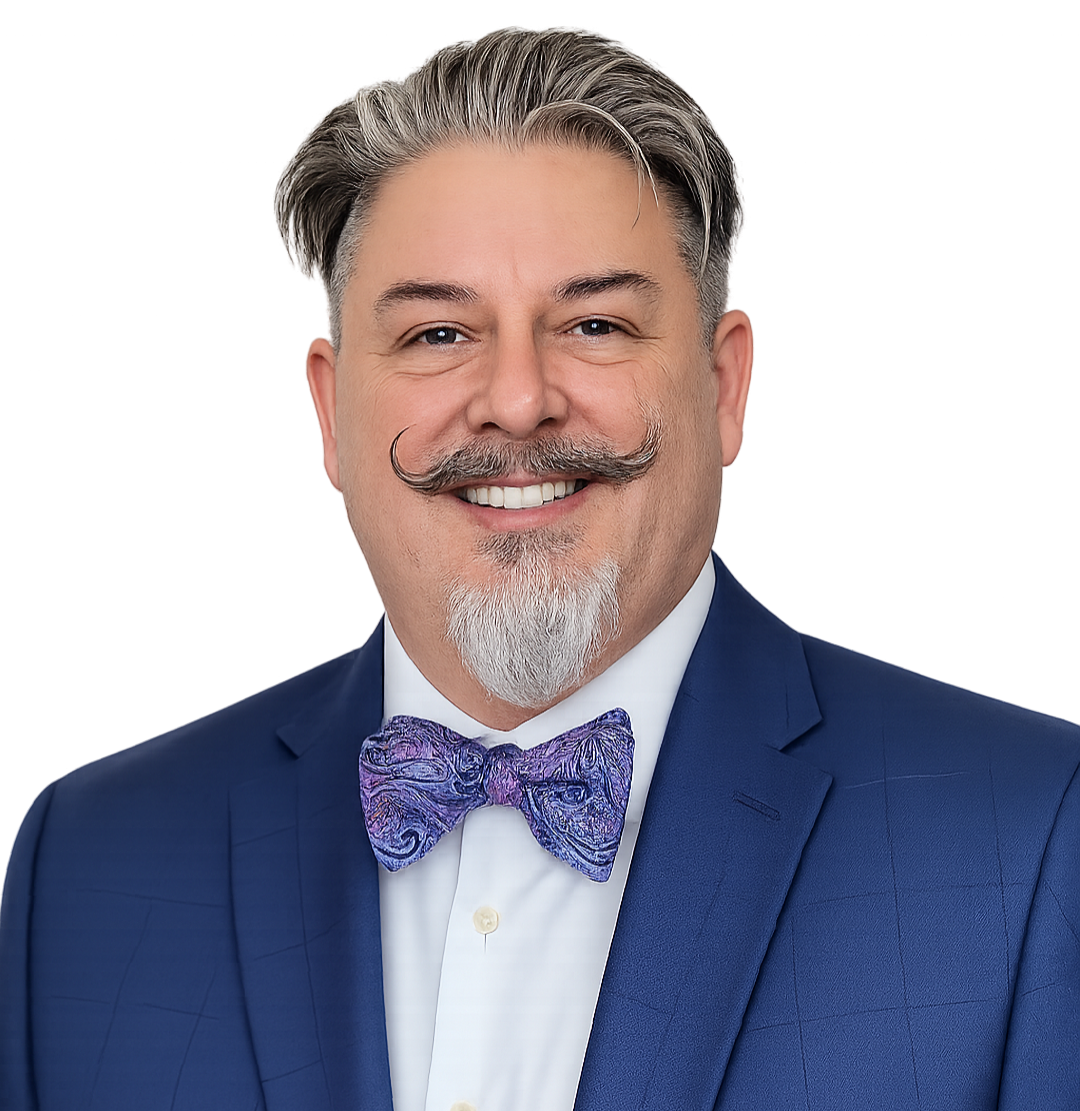
Detroit Criminal Defense Attorney
William Maze is an established Detroit Michigan attorney with nearly 28 years of criminal defense experience. He has represented thousands of satisfied clients across Michigan and maintains a national reputation as one of the leading criminal defense attorneys in the country.
Attorney Maze is a qualified expert witness in Standardized Field Sobriety Testing (SFST) and breath alcohol testing. His expertise includes:
Subscribe to @DUIMAZE for comprehensive criminal defense videos, case breakdowns, and legal strategy discussions.
If you are facing criminal charges, call William Maze today to schedule an appointment to review your case. Available 24/7 for emergencies.
Expert Criminal Defense Representation in Detroit's Judicial System
Primary Court for Detroit Criminal Cases
421 Madison Street, Detroit, MI 48226
(313) 965-2200
Felony Cases & Appeals from Detroit
5301 Russell Street, Detroit, MI 48211
(313) 224-5261
As a criminal defense attorney in Detroit, I provide specialized representation tailored to Detroit's unique legal landscape. For many years, my downtown Detroit office was located in the Ford Building on the same floor where Clarence Darrow mounted his famous defense of Dr. Ossian Sweet. In the famous 1925 Sweet Trials, Darrow successfully argued against racial prejudice in a murder case, asserting a Black family's right to live in a white neighborhood, a landmark civil rights victory. Darrow took the case after the Sweets were attacked in their new Detroit home, leading to a deadly confrontation and a trial that highlighted racial tensions in Detroit.
Each court has its own procedures, judges, and local rules. My extensive experience with Detroit's court system includes:
I provide criminal defense services throughout Detroit including:
If you're facing criminal charges in Detroit or Wayne County, contact my office today at (313) 792-8800 for a free, confidential consultation.
Get Expert Legal Advice for Your Detroit Criminal Case
Facing criminal charges in Detroit can be overwhelming. Contact me today for a free, confidential consultation at my Detroit office.
24/7 Emergency: (313) 792-8800
Office Hours: Mon-Fri 9am-5pm
Weekend/Evening: Appointments Available