Aggressive Defense Strategies for CHATGPT META DESCRIPTION · Free Case Evaluation · 24/7 Emergency Availability
28+ Years Experience
Expert in Detroit Courts
36th District & Third Circuit Court
Detroit defense for fleeing and eluding charges under MCL 257.602a, including degree enhancements, causation issues, license sanctions, and key Michigan cases.





Detroit defense for fleeing and eluding charges under MCL 257.602a, including degree enhancements, causation issues, license sanctions, and key Michigan cases.
Fleeing and eluding is treated as a serious offense in Michigan, with charges that can escalate quickly from a lower-degree felony to long prison exposure.
The degree can increase based on factors such as prior convictions, serious injury, or death, and the resulting license penalties can be severe.
Because the statute uses “results in” language for injury and death, causation analysis often becomes a core defense issue.
An effective defense examines the legality of the attempted stop, identification, pursuit conduct, and whether the evidence supports the specific degree charged.
Michigan’s fleeing and eluding statute provides escalating degrees and penalties. An individual who violates the statute is guilty of second-degree fleeing and eluding when specified aggravating circumstances apply, including when the violation results in serious impairment of a body function. MCL 257.602a(4)(a). If the violation results in death, the statute provides first-degree fleeing and eluding. MCL 257.602a(5).
In addition to incarceration exposure, the licensing consequences are substantial. The Michigan Judicial Institute notes six points and, for higher-degree convictions, mandatory denial or revocation periods measured in years. See MCL 257.320a(1)(f); MCL 257.303(2)(d); MCL 257.319(2)(d).
Causation can be dispositive. For first-degree fleeing and eluding, the Court of Appeals has held that the “results in” language requires factual causation, not proximate causation, for the death element under MCL 257.602a(5). People v Wood, 276 Mich App 669, 676 (2007). Conversely, depending on the charge theory, other statutes and counts may impose proximate-cause requirements. This makes charge-by-charge analysis critical when the state stacks counts.
Finally, Michigan recognizes aider and abettor liability in appropriate cases. A passenger may be convicted under an aiding and abetting theory when the evidence shows intentional assistance to the driver during the flight. People v Branch, 202 Mich App 550, 551–52 (1993). That principle informs both defense strategy and the need to separate driver conduct from passenger conduct in the evidentiary record.
Fleeing cases also raise evidentiary questions about whether the officer’s signal was clear and lawful, whether the defendant knew of the signal, and whether the state can reliably identify the driver. Those issues frequently depend on dashcam video, radio logs, and the timing of dispatch communications. When identity is contested, counsel should aggressively seek the raw video and the underlying pursuit documentation early in the case.
Finally, degree selection is not merely academic. It drives guideline exposure, collateral consequences, and license sanctions. A defense that narrows the causal chain, contests the enhancement facts, or separates the defendant’s conduct from a third party’s conduct can materially change the degree and, with it, the ceiling of punishment authorized by statute. MCL 257.602a(4)–(5).
Where injury or death is alleged, counsel should separately analyze each count’s causation standard and ensure the jury is instructed consistent with the statute charged. The benchbook materials emphasize instruction selection by offense, and misinstruction can be reversible error. A careful element-by-element approach also helps prevent the prosecution from using enhancement facts to inflate the degree without meeting its burden of proof. See M Crim JI 15.29 et seq.; MCL 257.602a.
As a Detroit criminal defense attorney, I provide specialized expertise in Detroit's court systems. I understand the specific procedures, judges, and prosecutors in Detroit courts, giving my clients a distinct advantage in their criminal defense cases.
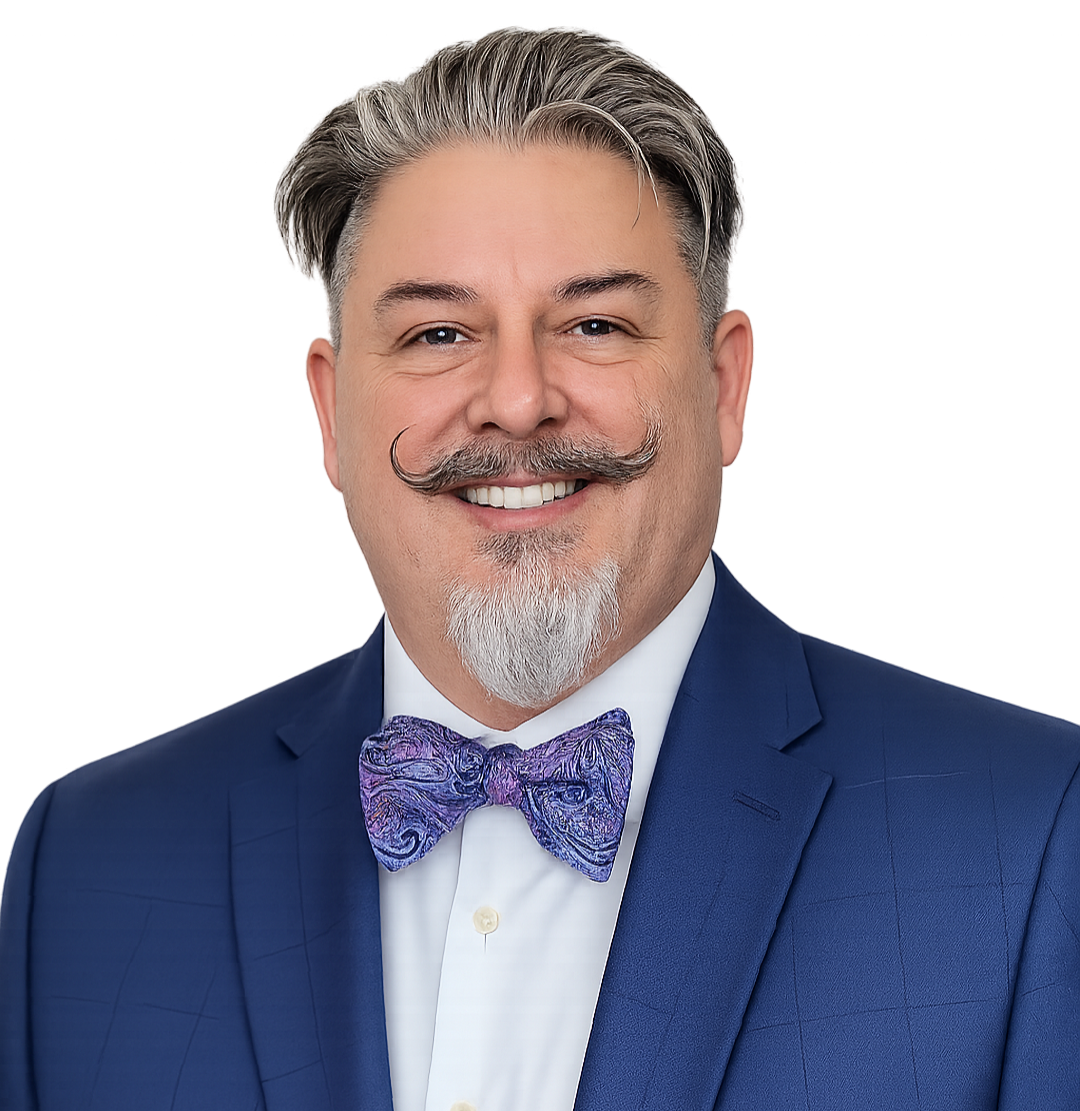
Detroit Criminal Defense Attorney
William Maze is an established Detroit Michigan attorney with nearly 28 years of criminal defense experience. He has represented thousands of satisfied clients across Michigan and maintains a national reputation as one of the leading criminal defense attorneys in the country.
Attorney Maze is a qualified expert witness in Standardized Field Sobriety Testing (SFST) and breath alcohol testing. His expertise includes:
Subscribe to @DUIMAZE for comprehensive criminal defense videos, case breakdowns, and legal strategy discussions.
If you are facing criminal charges, call William Maze today to schedule an appointment to review your case. Available 24/7 for emergencies.
Detroit defense for fleeing and eluding charges under MCL 257.602a, including degree enhancements, causation issues, license sanctions, and key Michigan cases.
Primary Court for Detroit Criminal Cases
421 Madison Street, Detroit, MI 48226
(313) 965-2200
Felony Cases & Appeals from Detroit
5301 Russell Street, Detroit, MI 48211
(313) 224-5261
As a criminal defense attorney in Detroit, I provide specialized representation tailored to Detroit's unique legal landscape. For many years, my downtown Detroit office was located in the Ford Building on the same floor where Clarence Darrow mounted his famous defense of Dr. Ossian Sweet. In the famous 1925 Sweet Trials, Darrow successfully argued against racial prejudice in a murder case, asserting a Black family's right to live in a white neighborhood, a landmark civil rights victory. Darrow took the case after the Sweets were attacked in their new Detroit home, leading to a deadly confrontation and a trial that highlighted racial tensions in Detroit.
Each court has its own procedures, judges, and local rules. My extensive experience with Detroit's court system includes:
I provide criminal defense services throughout Detroit including:
If you're facing criminal charges in Detroit or Wayne County, contact my office today at (313) 792-8800 for a free, confidential consultation.
Detroit defense for fleeing and eluding charges under MCL 257.602a, including degree enhancements, causation issues, license sanctions, and key Michigan cases.
Facing criminal charges in Detroit can be overwhelming. Contact me today for a free, confidential consultation at my Detroit office.
24/7 Emergency: (313) 792-8800
Office Hours: Mon-Fri 9am-5pm
Weekend/Evening: Appointments Available