Aggressive Defense Strategies for Second Degree Criminal Sexual Conduct Defense · Free Case Evaluation · 24/7 Emergency Availability
28+ Years Experience
Expert in Detroit Courts
36th District & Third Circuit Court
Recognized for Excellence in Criminal Defense Representation





Aggressive Representation on CSC-2 Cases in Wayne County
Second-degree criminal sexual conduct, defined at MCL 750.520c, prohibits sexual contact with another person when one or more of the same aggravating circumstances applicable to CSC-1 are present, with the critical distinction that CSC-2 involves sexual contact rather than sexual penetration. Sexual contact is defined by MCL 750.520a(q) as the intentional touching of the victim's or actor's intimate parts or the intentional touching of the clothing covering the intimate parts of the victim or actor, if that intentional touching can reasonably be construed as being for the purpose of sexual arousal or gratification, done for a sexual purpose, or in a sexual manner. A conviction under MCL 750.520c(2) carries a maximum sentence of 15 years imprisonment and, upon conviction, requires registration under the Sex Offenders Registration Act.
The aggravating circumstances that elevate an act of sexual contact to CSC-2 largely mirror those of CSC-1 and include: the victim being under 13; the victim being between 13 and 16 and the actor being related by blood or affinity, in a position of authority, or a teacher or administrator; the act being accomplished through force or coercion; the actor being aided or abetted; and the victim being mentally incapable, mentally disabled, mentally incapacitated, or physically helpless. The term "coercion" is defined in MCL 750.520b(1)(f) to encompass a range of threatening or manipulative conduct beyond physical force, including threats of future harm to the victim or a third person, threats of retaliation for reporting the conduct, and the exploitation of the victim's emotional dependency. Defense counsel must carefully analyze the prosecution's theory of coercion against the statutory definition.
CSC-2 charges frequently arise in contexts involving institutional relationships—schools, religious organizations, healthcare settings, athletic programs—where the prosecution alleges an abuse of authority or a position of trust. Michigan courts have broadly construed the "position of authority" provision and have applied it to a wide range of supervisory and custodial relationships. In People v Garland, 286 Mich App 1 (2009), the court addressed the scope of the authority relationship in the educational context, holding that a teacher's authority extends beyond formal classroom instruction to encompass after-school and off-premises contact that occurs within the relationship of authority. Attorney Maze scrutinizes whether the alleged relationship of authority meets the statutory definition and challenges overbroad prosecutorial theories.
The intentionality element of sexual contact is a point of genuine dispute in many CSC-2 cases. The prosecution must prove that the touching was intentional and that it was reasonably construable as being for a sexual purpose. In ambiguous fact patterns involving medical examination, personal care, athletic training, or clothing adjustment, the defense can argue that the touching was non-sexual in character and did not meet the statutory definition. Attorney Maze builds the defense around the specific facts of each case, interviewing witnesses, obtaining physical evidence, and consulting with experts where the circumstances call for specialized analysis.
Second-degree criminal sexual conduct prosecutions often present complex factual and legal issues that require careful pretrial preparation. The threshold inquiry in every CSC-2 case is whether the conduct alleged constitutes "sexual contact" as defined by MCL 750.520a(q). In People v Piper, 223 Mich App 642 (1997), the court held that the determination of whether a touching can "reasonably be construed" as sexual in purpose is an objective inquiry to be assessed from the perspective of a reasonable person in light of all the circumstances, rather than from the subjective viewpoint of either the defendant or the complainant. This objective standard creates an opportunity for the defense to present evidence establishing that the touching at issue was consistent with a non-sexual interpretation.
Where the prosecution relies on the victim being under 13, the defense may challenge the sufficiency of the evidence identifying the defendant as the person who committed the act. Michigan's corroboration-not-required rule under MCL 750.520h means that a conviction may rest on the testimony of a child complainant alone, but that testimony must still meet the constitutional standard of proof beyond a reasonable doubt, and defense counsel is entitled to rigorously cross-examine the child witness and challenge any inconsistencies in the child's account. People v Klosowski, 120 Mich App 666 (1982), recognized the importance of the opportunity to cross-examine child complainants in sex offense cases.
In cases involving allegations of force or coercion, the defense must examine whether the prosecution's theory of coercion falls within the statutory definition. The spectrum of coercive conduct defined by MCL 750.520b(1)(f) requires that the actor overcome resistance or secure consent through identified means of compulsion. Where the prosecution's theory rests on alleged psychological pressure or subtle manipulation, the defense may argue that the conduct does not rise to the level of coercion as defined by the statute. Attorney Maze examines text messages, emails, call records, and other communications to reconstruct the actual dynamics of the relationship between the parties.
Prior acts evidence presents particular challenges in CSC-2 cases, especially where the prosecution seeks to admit evidence of the defendant's alleged prior sexual misconduct under MCL 768.27a. The balancing test required by MRE 403 must account for the probative value of the prior acts evidence against its substantial danger of unfair prejudice—a danger that is especially acute in sex crimes cases where jury emotions can run high. In People v Watkins, 491 Mich 450 (2012), the Michigan Supreme Court confirmed that MCL 768.27a is subject to MRE 403 and that trial courts must conduct a genuine balancing analysis before admitting such evidence. Defense counsel should always request a Daubert/Davis-Frye hearing when the prosecution's prior acts evidence is supported by expert opinion regarding behavioral patterns or grooming conduct.
Sentencing under the Michigan Sentencing Guidelines for CSC-2 is governed by Offense Variables 1 through 19 and Prior Record Variables 1 through 7. Offense Variable 8, which addresses asportation of the victim, and Offense Variable 10, which addresses exploitation of a vulnerable victim, are frequently scored in CSC-2 cases and can significantly affect the recommended minimum guidelines range. Attorney Maze carefully reviews every guideline variable scoring, challenges any factual findings that are not supported by a preponderance of the evidence, and pursues all available arguments for a sentence within or below the guidelines range.
As a Detroit criminal defense attorney, I provide specialized expertise in Detroit's court systems. I understand the specific procedures, judges, and prosecutors in Detroit courts, giving my clients a distinct advantage in their criminal defense cases.
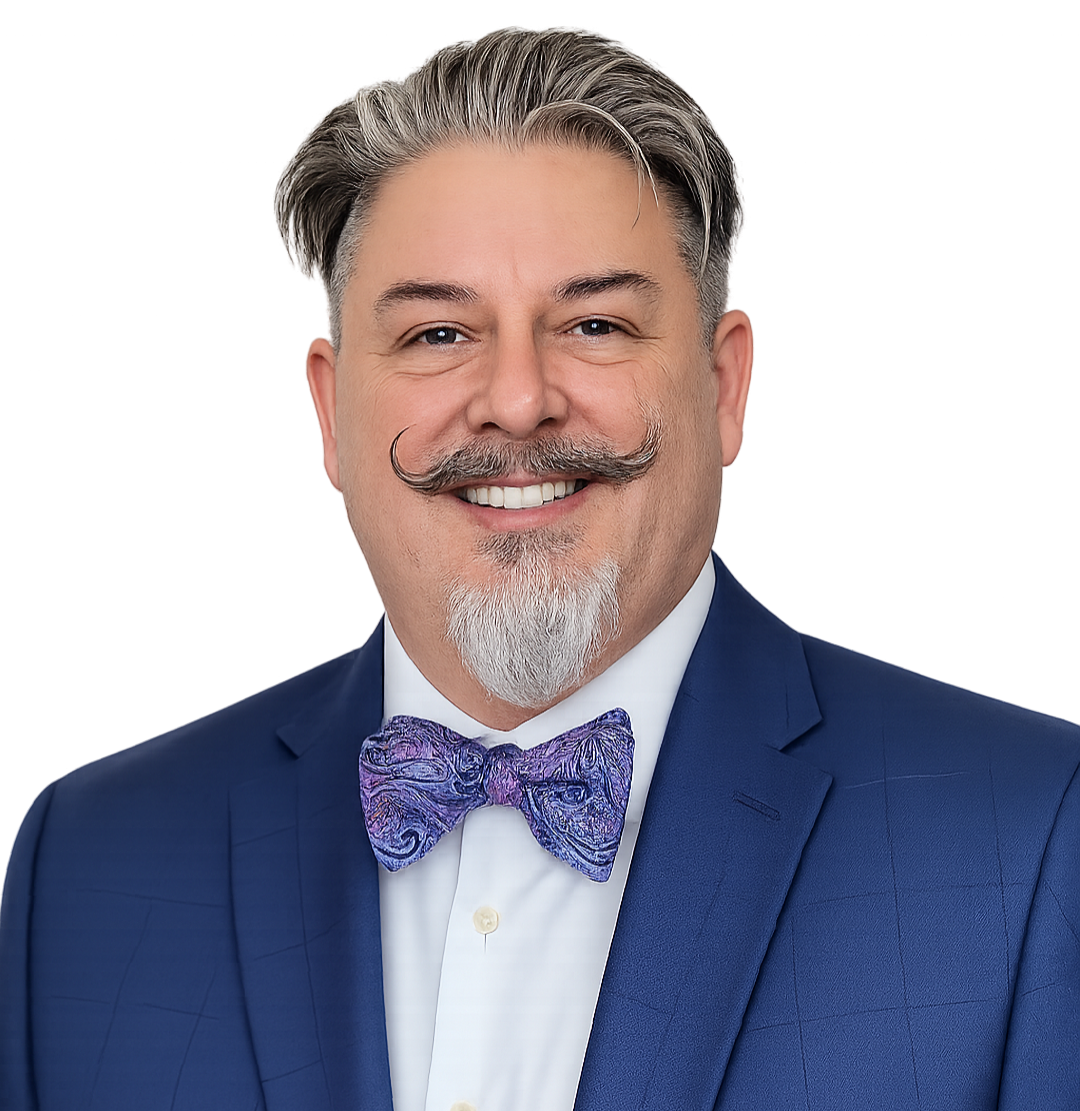
Detroit Criminal Defense Attorney
William Maze is an established Detroit Michigan attorney with nearly 28 years of criminal defense experience. He has represented thousands of satisfied clients across Michigan and maintains a national reputation as one of the leading criminal defense attorneys in the country.
Attorney Maze is a qualified expert witness in Standardized Field Sobriety Testing (SFST) and breath alcohol testing. His expertise includes:
Subscribe to @DUIMAZE for comprehensive criminal defense videos, case breakdowns, and legal strategy discussions.
If you are facing criminal charges, call William Maze today to schedule an appointment to review your case. Available 24/7 for emergencies.
Expert Criminal Defense Representation in Detroit's Judicial System
Primary Court for Detroit Criminal Cases
421 Madison Street, Detroit, MI 48226
(313) 965-2200
Felony Cases & Appeals from Detroit
5301 Russell Street, Detroit, MI 48211
(313) 224-5261
As a criminal defense attorney in Detroit, I provide specialized representation tailored to Detroit's unique legal landscape. For many years, my downtown Detroit office was located in the Ford Building on the same floor where Clarence Darrow mounted his famous defense of Dr. Ossian Sweet. In the famous 1925 Sweet Trials, Darrow successfully argued against racial prejudice in a murder case, asserting a Black family's right to live in a white neighborhood, a landmark civil rights victory. Darrow took the case after the Sweets were attacked in their new Detroit home, leading to a deadly confrontation and a trial that highlighted racial tensions in Detroit.
Each court has its own procedures, judges, and local rules. My extensive experience with Detroit's court system includes:
I provide criminal defense services throughout Detroit including:
If you're facing criminal charges in Detroit or Wayne County, contact my office today at (313) 792-8800 for a free, confidential consultation.
Get Expert Legal Advice for Your Detroit Criminal Case
Facing criminal charges in Detroit can be overwhelming. Contact me today for a free, confidential consultation at my Detroit office.
24/7 Emergency: (313) 792-8800
Office Hours: Mon-Fri 9am-5pm
Weekend/Evening: Appointments Available