Aggressive Defense Strategies for Illegal Traffic Stop Defense · Free Case Evaluation · 24/7 Emergency Availability
28+ Years Experience
Expert in Detroit Courts
36th District & Third Circuit Court
Recognized for Excellence in Criminal Defense Representation





Aggressive Representation on Illegal Traffic Stop Defense Cases in Wayne County
Detroit illegal traffic stop defense lawyer. Challenge unreasonable stops, unlawful prolongation, dog-sniff delays, and searches following traffic stops in Wayne County.
An illegal traffic stop defense targets the foundation and limits of a police stop. A stop is a seizure, and it must be supported by an objective basis. When the claimed reason for the stop is unsupported, exaggerated, or legally insufficient, evidence obtained after the stop may be suppressed.
Even when a stop begins lawfully, officers may not use a minor infraction as a pretext to extend detention for unrelated criminal investigation without additional reasonable suspicion. The most litigated issues involve extending a stop to await a drug dog, turning routine paperwork into a prolonged roadside investigation, or transforming a brief encounter into a search through coercive consent requests.
Michigan cases emphasize that the stop should last no longer than reasonably necessary to handle the matter that justified it. The defense should scrutinize the exact moment the stop’s mission ended, what was done afterward, and whether any new facts objectively justified continued detention.
Where the stop is unlawful in inception or in duration, suppression arguments focus on causation. If the discovery of contraband, field tests, statements, or consent flows from the unconstitutional detention, the defense may seek exclusion of the resulting evidence and, in some cases, dismissal.
Michigan appellate courts repeatedly describe a traffic stop as a limited seizure justified only by its lawful mission. The officer may address the traffic violation and take reasonable steps to ensure safety, but the officer’s investigative actions must remain tethered to that mission or supported by new, articulable reasonable suspicion. This framework matters because many criminal cases begin as routine traffic enforcement and then expand into broader investigation.
A frequent issue is whether the stop was prolonged. Federal and Michigan cases recognize that unrelated checks may occur during a stop, but they may not measurably extend the stop’s duration absent reasonable suspicion. Michigan decisions applying this rule have suppressed evidence where an officer completed the traffic stop, issued a warning, and then continued to detain the driver to await a canine unit. In those circumstances, the continued detention can become unconstitutional, and the fruits of the dog sniff and resulting search may be excluded. The analysis is practical: what tasks were necessary for the stop, and what time was added solely to pursue unrelated investigation?
The record often resolves these disputes. Audio-video footage can identify when the officer returned documentation, delivered the warning or citation, and effectively ended the traffic mission. Courts have emphasized the usefulness of complete recordings and careful review of them when evaluating whether reasonable suspicion existed to extend the stop. When the video shows a completed stop followed by a delay for a dog sniff without new facts, suppression is a realistic remedy.
Michigan law also addresses questioning and consent during stops. An officer may ask certain safety-related questions, including questions about weapons, but the defense should examine whether unrelated inquiries and consent requests extended the stop or created coercive conditions. Consent remains valid only if voluntary, and it does not cure an unlawful detention that produced the consent.
A strong illegal-stop litigation strategy therefore combines legal standards with a timeline. The defense should identify the stop’s basis, map each minute of the encounter, and test whether the officer’s asserted suspicions were grounded in specific, contemporaneous observations. When the government cannot justify the seizure, suppression can narrow the case to what the prosecution can prove without the tainted evidence. When appropriate, counsel should also consider whether a passenger has standing to challenge the stop and whether the search can be justified as incident to arrest only if the arrest itself was lawful.
As a Detroit criminal defense attorney, I provide specialized expertise in Detroit's court systems. I understand the specific procedures, judges, and prosecutors in Detroit courts, giving my clients a distinct advantage in their criminal defense cases.
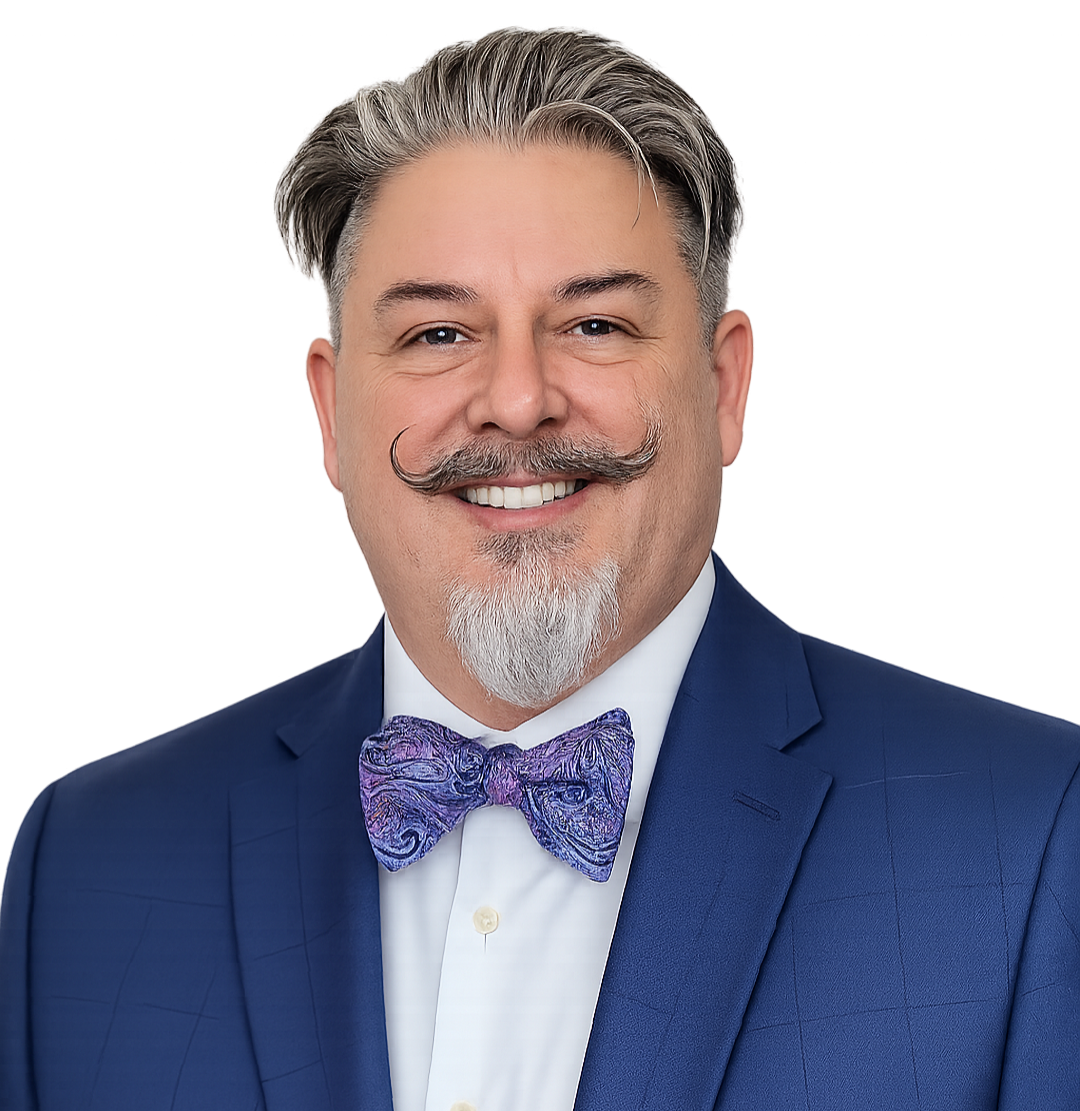
Detroit Criminal Defense Attorney
William Maze is an established Detroit Michigan attorney with nearly 28 years of criminal defense experience. He has represented thousands of satisfied clients across Michigan and maintains a national reputation as one of the leading criminal defense attorneys in the country.
Attorney Maze is a qualified expert witness in Standardized Field Sobriety Testing (SFST) and breath alcohol testing. His expertise includes:
Subscribe to @DUIMAZE for comprehensive criminal defense videos, case breakdowns, and legal strategy discussions.
If you are facing criminal charges, call William Maze today to schedule an appointment to review your case. Available 24/7 for emergencies.
Expert Criminal Defense Representation in Detroit's Judicial System
Primary Court for Detroit Criminal Cases
421 Madison Street, Detroit, MI 48226
(313) 965-2200
Felony Cases & Appeals from Detroit
5301 Russell Street, Detroit, MI 48211
(313) 224-5261
As a criminal defense attorney in Detroit, I provide specialized representation tailored to Detroit's unique legal landscape. For many years, my downtown Detroit office was located in the Ford Building on the same floor where Clarence Darrow mounted his famous defense of Dr. Ossian Sweet. In the famous 1925 Sweet Trials, Darrow successfully argued against racial prejudice in a murder case, asserting a Black family's right to live in a white neighborhood, a landmark civil rights victory. Darrow took the case after the Sweets were attacked in their new Detroit home, leading to a deadly confrontation and a trial that highlighted racial tensions in Detroit.
Each court has its own procedures, judges, and local rules. My extensive experience with Detroit's court system includes:
I provide criminal defense services throughout Detroit including:
If you're facing criminal charges in Detroit or Wayne County, contact my office today at (313) 792-8800 for a free, confidential consultation.
Get Expert Legal Advice for Your Detroit Criminal Case
Facing criminal charges in Detroit can be overwhelming. Contact me today for a free, confidential consultation at my Detroit office.
24/7 Emergency: (313) 792-8800
Office Hours: Mon-Fri 9am-5pm
Weekend/Evening: Appointments Available