Aggressive Defense Strategies for Third Degree Criminal Sexual Conduct Defense · Free Case Evaluation · 24/7 Emergency Availability
28+ Years Experience
Expert in Detroit Courts
36th District & Third Circuit Court
Recognized for Excellence in Criminal Defense Representation





Aggressive Representation on CSC-3 Cases in Wayne County
Third-degree criminal sexual conduct, defined at MCL 750.520d, prohibits sexual penetration under a distinct set of circumstances that differ from those triggering CSC-1 liability. Like CSC-1, CSC-3 requires proof of sexual penetration as defined by MCL 750.520a(r). The aggravating circumstances unique to CSC-3 include: the victim being between 13 and 15 years of age; the penetration being accomplished through force or coercion; the victim being mentally incapable, mentally disabled, mentally incapacitated, or physically helpless and the actor knew or had reason to know of this condition; and the penetration occurring under circumstances involving the actor's position of authority over the victim who is between 16 and 18 years of age. A conviction under CSC-3 carries a maximum sentence of 15 years imprisonment and requires SORA registration.
Because CSC-3 covers sexual penetration where the complainant is between 13 and 15 years old—regardless of whether any additional force, coercion, or authority relationship is present—it is frequently charged in cases involving teenagers where both parties may have characterized the relationship as consensual. Michigan law provides no consent defense for sexual penetration with a person under 16, regardless of the victim's apparent age or representations about age. Reasonable mistake of age is generally not recognized as a defense to CSC-3 under MCL 750.520d, making the defense's focus in such cases typically the identity of the accused or the occurrence of the alleged act itself.
The force or coercion provision of MCL 750.520d(1)(b) applies to adults and encompasses the same range of conduct defined in the CSC-1 statute, including threats, intimidation, and the use of surprise to overcome resistance. In cases involving alleged force or coercion between adults, consent is the central defense issue, and the defense must carefully investigate the circumstances surrounding the alleged act, any prior relationship between the parties, communications before and after the alleged incident, and any physical evidence bearing on whether the act was consensual. Attorney Maze has extensive experience developing consent defenses in CSC-3 cases involving adult complainants.
Charges of CSC-3 based on the victim's mental incapacity, mental disability, mental incapacitation, or physical helplessness require proof that the actor knew or had reason to know of the victim's condition at the time of the act. This knowledge element provides an important defense avenue: where the defendant credibly did not and could not have known of the victim's condition, the prosecution cannot satisfy its burden of proof on this element. Attorney Maze investigates the circumstances and the defendant's actual knowledge, reviews all available evidence, and challenges the prosecution's theory of the case through pretrial motions, cross-examination, and direct evidence at trial.
Michigan's CSC-3 statute occupies a middle position in the criminal sexual conduct framework, capturing sexual penetration that is wrongful but does not involve the most severe aggravating circumstances of CSC-1—such as multiple actors, personal injury, or a victim under 13. The doctrinal boundary between CSC-1 and CSC-3 is therefore a frequent battleground in charging and negotiation. When the prosecution has charged CSC-1 and the evidence does not clearly support the most serious aggravating circumstances, defense counsel should aggressively pursue a reduction to CSC-3 or a trial strategy aimed at establishing that the facts support only a CSC-3 or lesser conviction.
The "penetration by force or coercion" provision of MCL 750.520d(1)(b) has generated significant appellate litigation regarding the scope of the coercion definition. In People v Brown, 294 Mich App 377 (2011), the court addressed whether psychological pressure and emotional manipulation could constitute coercion under the statute in the absence of explicit threats. The court held that coercion requires the actor to overcome the victim's resistance through conduct within the statutory definition, and that subtle emotional influence alone does not satisfy the coercion element. Defense counsel must scrutinize the prosecution's coercion theory against the specific language of MCL 750.520b(1)(f) as incorporated by reference into CSC-3.
The rape shield law, MCL 750.520j, applies fully to CSC-3 prosecutions. In People v Hackett, 421 Mich 338 (1984), the Michigan Supreme Court held that the constitutional right of confrontation may override the shield in limited circumstances, particularly where the prior sexual history evidence tends to show an alternative source of physical injury or a prior consensual relationship directly relevant to the consent issue. Defense counsel seeking to use such evidence must comply strictly with the pretrial motion and offer of proof requirements of MCL 750.520j(2), and must be prepared to argue the constitutional necessity of the evidence at an in camera hearing.
Where a CSC-3 charge involves a victim between 13 and 15 years old, the prosecution will often seek to present evidence of prior grooming conduct under MCL 768.27a and MRE 404(b). In People v Watkins, 491 Mich 450 (2012), the Michigan Supreme Court confirmed that courts must apply a genuine MRE 403 balancing analysis before admitting other-acts sexual misconduct evidence. The defense should request a detailed MRE 403 record to preserve any challenge to the admission of such evidence for appeal. Where the prior acts evidence involves alleged misconduct with a different victim, the defense should obtain independent evidence bearing on that allegation to challenge its underlying reliability.
At sentencing, CSC-3 convictions are subject to the Michigan Sentencing Guidelines, and the appropriate guidelines grid placement depends on offense variable scoring that can vary significantly based on whether personal injury occurred, the relative vulnerability of the victim, and the nature of the relationship between the parties. Attorney Maze carefully reviews every guideline variable, challenges unsupported factual determinations at sentencing, and is prepared to file a motion for resentencing on remand when guidelines errors require correction.
As a Detroit criminal defense attorney, I provide specialized expertise in Detroit's court systems. I understand the specific procedures, judges, and prosecutors in Detroit courts, giving my clients a distinct advantage in their criminal defense cases.
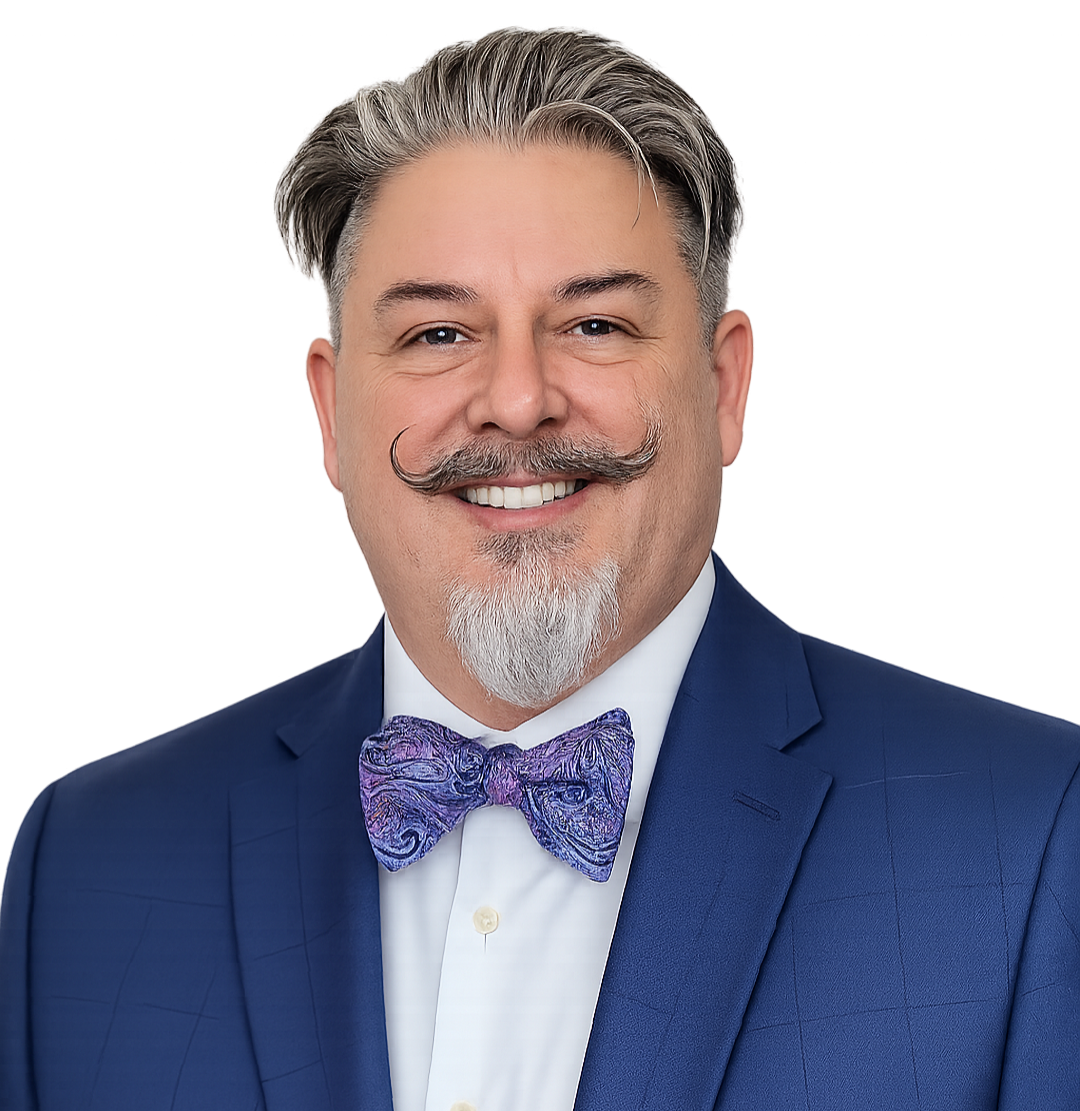
Detroit Criminal Defense Attorney
William Maze is an established Detroit Michigan attorney with nearly 28 years of criminal defense experience. He has represented thousands of satisfied clients across Michigan and maintains a national reputation as one of the leading criminal defense attorneys in the country.
Attorney Maze is a qualified expert witness in Standardized Field Sobriety Testing (SFST) and breath alcohol testing. His expertise includes:
Subscribe to @DUIMAZE for comprehensive criminal defense videos, case breakdowns, and legal strategy discussions.
If you are facing criminal charges, call William Maze today to schedule an appointment to review your case. Available 24/7 for emergencies.
Expert Criminal Defense Representation in Detroit's Judicial System
Primary Court for Detroit Criminal Cases
421 Madison Street, Detroit, MI 48226
(313) 965-2200
Felony Cases & Appeals from Detroit
5301 Russell Street, Detroit, MI 48211
(313) 224-5261
As a criminal defense attorney in Detroit, I provide specialized representation tailored to Detroit's unique legal landscape. For many years, my downtown Detroit office was located in the Ford Building on the same floor where Clarence Darrow mounted his famous defense of Dr. Ossian Sweet. In the famous 1925 Sweet Trials, Darrow successfully argued against racial prejudice in a murder case, asserting a Black family's right to live in a white neighborhood, a landmark civil rights victory. Darrow took the case after the Sweets were attacked in their new Detroit home, leading to a deadly confrontation and a trial that highlighted racial tensions in Detroit.
Each court has its own procedures, judges, and local rules. My extensive experience with Detroit's court system includes:
I provide criminal defense services throughout Detroit including:
If you're facing criminal charges in Detroit or Wayne County, contact my office today at (313) 792-8800 for a free, confidential consultation.
Get Expert Legal Advice for Your Detroit Criminal Case
Facing criminal charges in Detroit can be overwhelming. Contact me today for a free, confidential consultation at my Detroit office.
24/7 Emergency: (313) 792-8800
Office Hours: Mon-Fri 9am-5pm
Weekend/Evening: Appointments Available