Aggressive Defense Strategies for Child Sexually Abusive Material Defense · Free Case Evaluation · 24/7 Emergency Availability
28+ Years Experience
Expert in Detroit Courts
36th District & Third Circuit Court
Recognized for Excellence in Criminal Defense Representation





Aggressive Representation on Child Sexually Abusive Material Cases in Wayne County
Michigan's child sexually abusive material statute, MCL 750.145c, prohibits the persuading, inducing, enticing, coercing, or knowingly allowing of a child to engage in a child sexually abusive activity, the production of child sexually abusive material, the distribution, promotion, or financing of child sexually abusive material, and the knowing possession of child sexually abusive material. The statute defines "child sexually abusive material" to include any photograph, video, computer-generated image, or other visual medium that depicts a child engaging in a listed sexual act. A "child" for purposes of this statute is any person less than 18 years of age. Michigan law carries graduated penalties for violations of MCL 750.145c ranging from felony convictions carrying up to 4 years for possession to up to 20 years for production, with each tier imposing mandatory SORA registration.
Child pornography charges in Michigan are frequently prosecuted in parallel with federal charges under 18 USC 2252 and 18 USC 2256, which carry mandatory minimum sentences that can dwarf Michigan state penalties. The involvement of the internet in the transmission of suspected material typically triggers federal jurisdiction through the interstate commerce element of the federal statutes. Attorney Maze's experience in both state and federal courts in the Eastern District of Michigan allows him to evaluate the dual-system exposure and develop a coordinated defense strategy that addresses both the state and federal dimensions of the case simultaneously.
Law enforcement investigations of child sexually abusive material typically involve forensic examination of computers, tablets, smartphones, and cloud storage accounts. Digital forensic evidence in these cases is highly technical: investigators use specialized software to recover deleted files, analyze metadata, identify download timestamps, and attribute specific files to particular user accounts and IP addresses. Attorney Maze engages qualified digital forensic experts to independently review the prosecution's forensic reports, challenge errors in attribution, identify evidence of malware or peer-to-peer network sharing that may establish that the defendant did not knowingly possess the material, and identify any deficiencies in the chain of custody of digital evidence.
Because the stakes in child sexually abusive material cases are so high—mandatory minimum sentences, lifetime sex offender registration, and potential federal consecutive prosecution—early, aggressive pretrial intervention by experienced defense counsel can be outcome-determinative. Attorney Maze begins his representation by evaluating the constitutionality of the search warrant that authorized the seizure of the defendant's devices, challenging any overreach in the scope of the warrant or in the execution of the search, and identifying any evidence that the material was inadvertently downloaded, accessed by another user, or planted through malicious software.
The prosecution of child sexually abusive material offenses under MCL 750.145c requires proof that the defendant acted knowingly with respect to the nature of the material. In People v Gillam, 479 Mich 361 (2007), the Michigan Supreme Court addressed the mens rea requirements of MCL 750.145c and held that the "knowing" standard applies to each element of the possession offense: the defendant must have known that the material depicted a real child engaged in a sexual act. This knowledge requirement provides a potential defense where the defendant can establish that he or she did not view the material, did not know what it depicted, or had reason to believe that the images depicted adults rather than minors.
The forensic attribution of digital material to a particular defendant is more complex than prosecutors often acknowledge. Peer-to-peer file sharing networks, which are frequently used by law enforcement investigators in predicate investigation of child pornography cases, can result in the inadvertent downloading of mislabeled files. Malware and remote-access trojans can be used to download and store material on a victim's computer without the owner's knowledge. In United States v Richardson, 658 F3d 333 (3d Cir 2011), the federal court of appeals recognized that the mere presence of child pornography on a defendant's computer does not automatically establish that the defendant knowingly possessed it—the government must present evidence establishing that the defendant knew what the files contained. Michigan courts apply a comparable analysis under the knowing possession standard of MCL 750.145c.
Search warrant challenges are among the most powerful tools available in child sexually abusive material cases. The Fourth Amendment to the United States Constitution and Article 1, Section 11 of the Michigan Constitution require that search warrants be supported by probable cause and describe with particularity the place to be searched and the items to be seized. In the digital context, the requirement of particularity is especially important because a modern computer or smartphone contains virtually the entire record of a person's private life. In People v Champion, 452 Mich 92 (1996), the Michigan Supreme Court addressed the constitutional requirements for a valid search warrant and the consequences of an insufficiently particular description of the place to be searched. Defense counsel should seek to suppress all evidence obtained pursuant to a warrant that authorized a general exploratory search of the defendant's digital devices without adequate particularity.
Where suppression of the digital evidence is not achievable, the defense may challenge the forensic methodology used to examine the devices. The reliability of digital forensic analysis is subject to challenge under MRE 702 and the standards governing expert testimony. Defense-retained digital forensic experts can challenge the prosecution's analysis by examining the original forensic images of the defendant's devices, reviewing the metadata associated with the files in question, and identifying evidence of unauthorized remote access, malware, or other factors that undermine the prosecution's attribution theory.
Plea negotiations in child sexually abusive material cases require careful analysis of the sentencing guidelines, the applicability of mandatory minimums under MCL 750.145c(4), and the potential for federal prosecution under 18 USC 2252 or 18 USC 2252A, which carry a five-year mandatory minimum for possession and a ten-year mandatory minimum for distribution. Cooperation with federal investigators in exchange for a favorable plea disposition is one option that must be carefully evaluated in light of the defendant's full exposure. Attorney Maze's experience in federal court in the Eastern District of Michigan allows him to advise clients on the full scope of their state and federal exposure and to negotiate with both state and federal prosecutors simultaneously.
As a Detroit criminal defense attorney, I provide specialized expertise in Detroit's court systems. I understand the specific procedures, judges, and prosecutors in Detroit courts, giving my clients a distinct advantage in their criminal defense cases.
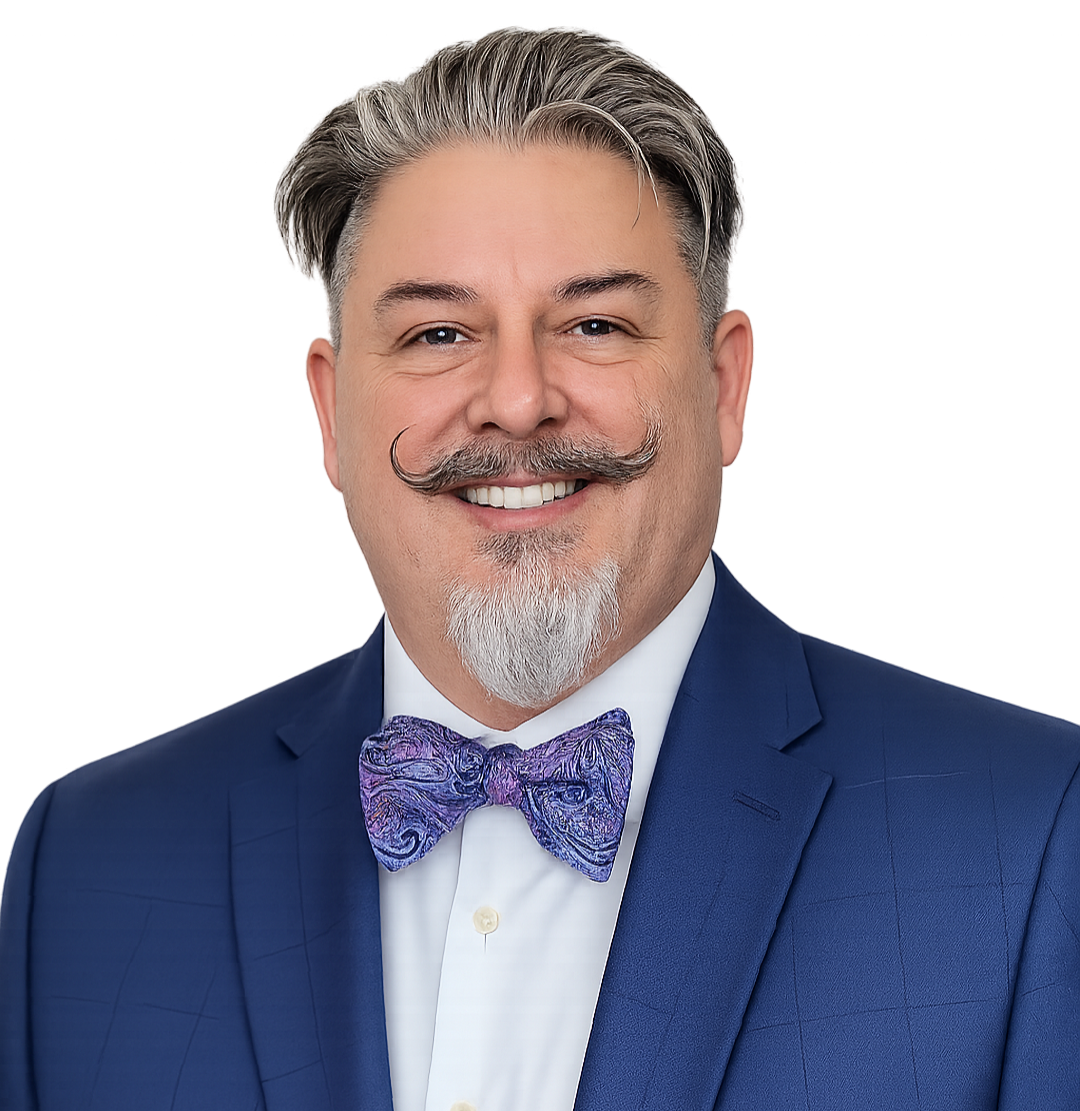
Detroit Criminal Defense Attorney
William Maze is an established Detroit Michigan attorney with nearly 28 years of criminal defense experience. He has represented thousands of satisfied clients across Michigan and maintains a national reputation as one of the leading criminal defense attorneys in the country.
Attorney Maze is a qualified expert witness in Standardized Field Sobriety Testing (SFST) and breath alcohol testing. His expertise includes:
Subscribe to @DUIMAZE for comprehensive criminal defense videos, case breakdowns, and legal strategy discussions.
If you are facing criminal charges, call William Maze today to schedule an appointment to review your case. Available 24/7 for emergencies.
Expert Criminal Defense Representation in Detroit's Judicial System
Primary Court for Detroit Criminal Cases
421 Madison Street, Detroit, MI 48226
(313) 965-2200
Felony Cases & Appeals from Detroit
5301 Russell Street, Detroit, MI 48211
(313) 224-5261
As a criminal defense attorney in Detroit, I provide specialized representation tailored to Detroit's unique legal landscape. For many years, my downtown Detroit office was located in the Ford Building on the same floor where Clarence Darrow mounted his famous defense of Dr. Ossian Sweet. In the famous 1925 Sweet Trials, Darrow successfully argued against racial prejudice in a murder case, asserting a Black family's right to live in a white neighborhood, a landmark civil rights victory. Darrow took the case after the Sweets were attacked in their new Detroit home, leading to a deadly confrontation and a trial that highlighted racial tensions in Detroit.
Each court has its own procedures, judges, and local rules. My extensive experience with Detroit's court system includes:
I provide criminal defense services throughout Detroit including:
If you're facing criminal charges in Detroit or Wayne County, contact my office today at (313) 792-8800 for a free, confidential consultation.
Get Expert Legal Advice for Your Detroit Criminal Case
Facing criminal charges in Detroit can be overwhelming. Contact me today for a free, confidential consultation at my Detroit office.
24/7 Emergency: (313) 792-8800
Office Hours: Mon-Fri 9am-5pm
Weekend/Evening: Appointments Available