Aggressive Defense Strategies for First Degree Criminal Sexual Conduct Defense · Free Case Evaluation · 24/7 Emergency Availability
28+ Years Experience
Expert in Detroit Courts
36th District & Third Circuit Court
Recognized for Excellence in Criminal Defense Representation




Aggressive Representation on CSC-1 Cases in Wayne County
First-degree criminal sexual conduct, codified at MCL 750.520b, is Michigan's most serious sex offense and one of the most serious felony charges in the state's penal code. A conviction carries a mandatory minimum sentence of not less than 25 years when the victim is under 13 years of age and the defendant has a prior conviction for a listed offense, or a sentence of any term of years up to life under the standard provision. Because CSC-1 is a listed offense under the Truth in Sentencing Act, MCL 769.11b, a defendant convicted of CSC-1 must serve the minimum term imposed by the sentencing court before becoming eligible for parole consideration. The severity of the charge and the collateral consequences of conviction—including lifetime sex offender registration and, in most cases, lifetime electronic monitoring under MCL 750.520n—demand the most experienced and aggressive defense representation available.
The statute requires proof of two elements: (1) that the defendant engaged in sexual penetration with another person, and (2) that at least one of the enumerated aggravating circumstances was present. Sexual penetration is defined broadly by MCL 750.520a(r) to include sexual intercourse, cunnilingus, fellatio, anal intercourse, or any other intrusion, however slight, of any part of a person's body or of any object into the genital or anal openings of another person's body. The aggravating circumstances listed in MCL 750.520b include, among others: the victim being under 13 years of age; the victim being between 13 and 16 and related to the actor by blood or affinity; the act being accomplished through the use of force or coercion causing personal injury; the actor being aided or abetted by one or more persons; the penetration occurring during the commission of another felony; and the actor being in a position of authority over the victim.
Defending a CSC-1 charge requires an attorney willing to conduct an exhaustive pretrial investigation, critically challenge the admissibility of forensic evidence, and rigorously cross-examine the complainant and the prosecution's expert witnesses. DNA evidence, forensic medical examinations, and digital records are commonly at issue. Attorney Maze's forensic science background allows him to evaluate the reliability of scientific evidence with the same scrutiny a laboratory scientist would apply, and to present that critical analysis to the jury in accessible terms. He is also experienced in challenging the use of prior acts evidence sought to be admitted under MCL 768.27a, which permits evidence of other acts of sexual misconduct against minors in trials for CSC offenses—a provision that can be highly prejudicial if not properly challenged.
Pretrial motion practice is critical in CSC-1 cases. Motions to suppress statements obtained in violation of Miranda v Arizona, 384 US 436 (1966), challenges to the constitutionality of search warrants authorizing seizure of digital devices, and motions under MCL 750.520j to preclude improper use of the complainant's sexual history are among the tools an experienced defense attorney must deploy. Attorney William Maze has navigated these pretrial battlegrounds throughout his 28 years of practice and understands that the outcome of a CSC-1 case is frequently determined long before the jury is ever seated.
The prosecution of first-degree criminal sexual conduct under MCL 750.520b requires the government to prove, beyond a reasonable doubt, both the act of sexual penetration and the existence of at least one statutory aggravating circumstance. While the absence of corroboration does not bar conviction under MCL 750.520h, Michigan courts have consistently emphasized that the jury's assessment of witness credibility is paramount. In People v Lemmon, 456 Mich 625 (1998), the Michigan Supreme Court addressed the standard for granting a new trial based on the great weight of the evidence and noted that where conviction depends substantially on credibility determinations, a defendant who can marshal extrinsic evidence contradicting the complainant's account is entitled to have that evidence evaluated by the factfinder.
Consent is not a statutory defense to CSC-1 when the victim is under 13 years of age or when the defendant is in a position of authority. MCL 750.520i(1) codifies this absolute prohibition. For charges involving adult complainants, however, consent remains a central defense, and the defendant may introduce evidence tending to show that the complainant consented or that the defendant reasonably and in good faith believed consent had been given. In People v Haywood, 209 Mich App 217 (1995), the court addressed the extent to which a good-faith belief in consent may negate the requisite mental state for sexual penetration accomplished by coercion.
The use of prior sexual conduct evidence by the prosecution, particularly evidence of prior sexual acts by the defendant against persons other than the complainant, is governed by both MRE 404(b) and the special provision of MCL 768.27a. In People v Watkins, 491 Mich 450 (2012), the Michigan Supreme Court held that MCL 768.27a permits admission of prior acts of sexual misconduct against minors even where such evidence might be excluded under MRE 404(b), subject to a MRE 403 balancing test. Defense counsel must be prepared to challenge the admission of such evidence on both constitutional and evidentiary grounds, and to request a limiting instruction when the evidence is admitted over objection.
When the defense challenges the reliability of forensic evidence—DNA, serology, or forensic medical examinations—the admissibility of that evidence is governed by MRE 702 and the standards established in People v Dobek, 274 Mich App 58 (2007), and its progeny. The court must determine whether the scientific evidence is based on sufficient facts or data, whether it is the product of reliable principles and methods, and whether the expert has reliably applied the principles and methods to the facts of the case. A thorough defense attorney will retain independent experts to review prosecution laboratory reports, chain of custody documentation, and the analyst's methodology before trial.
Sentencing in CSC-1 cases is governed by the Michigan Sentencing Guidelines, MCL 769.34, and may be subject to mandatory minimums under MCL 750.520b(2). The most severe mandatory minimum—25 years—applies when the victim is under 13 and the defendant has a prior listed offense. The sentencing court is also required to impose lifetime electronic monitoring under MCL 750.520n for convictions involving victims under 13. Attorney Maze carefully evaluates every aspect of the guidelines scoring, challenges any inaccurate offense variable scoring, and advocates vigorously for a departure from the guidelines range when the facts warrant it.
As a Detroit criminal defense attorney, I provide specialized expertise in Detroit's court systems. I understand the specific procedures, judges, and prosecutors in Detroit courts, giving my clients a distinct advantage in their criminal defense cases.
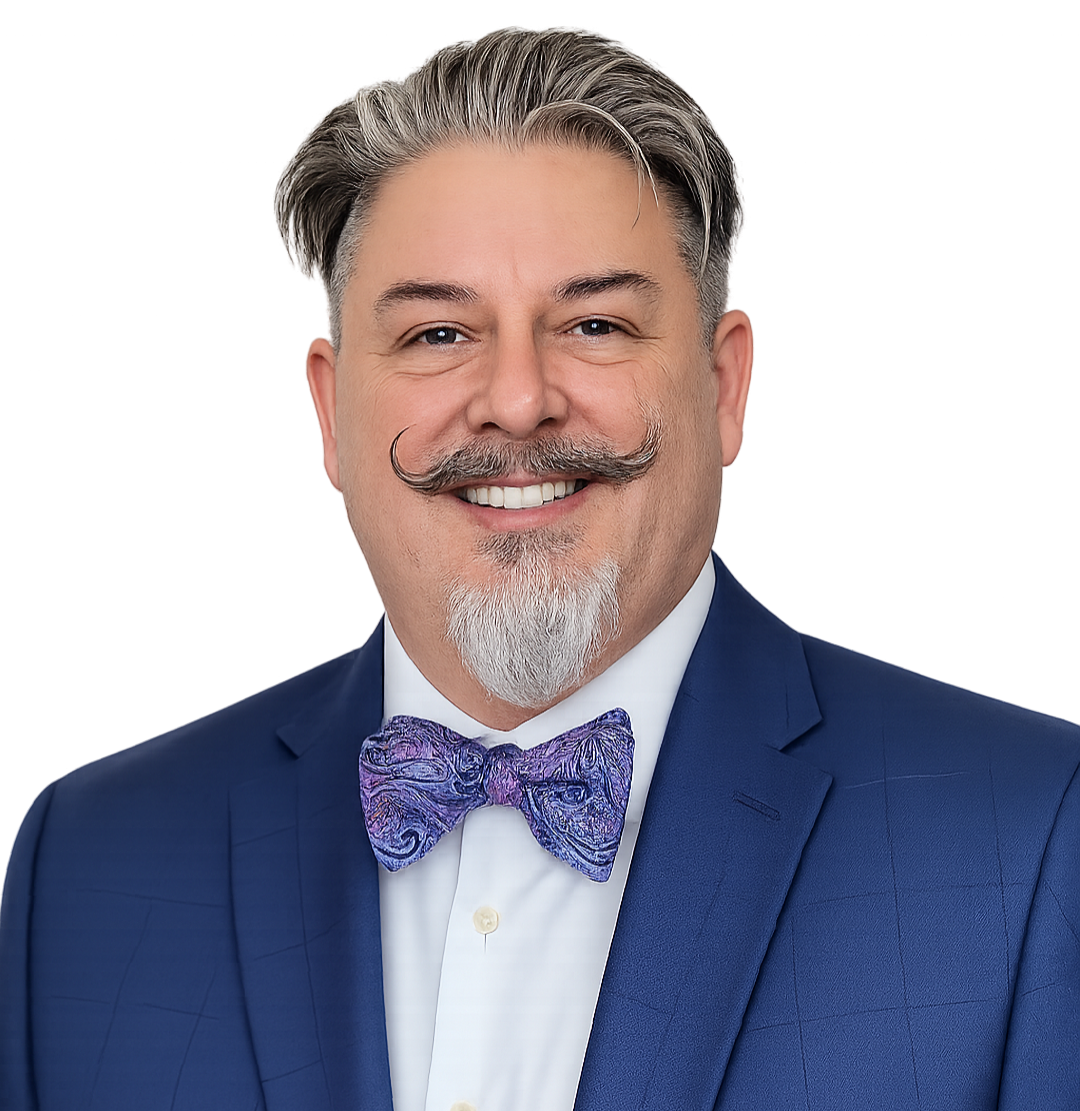
Detroit Criminal Defense Attorney
William Maze is an established Detroit Michigan attorney with nearly 28 years of criminal defense experience. He has represented thousands of satisfied clients across Michigan and maintains a national reputation as one of the leading criminal defense attorneys in the country.
Attorney Maze is a qualified expert witness in Standardized Field Sobriety Testing (SFST) and breath alcohol testing. His expertise includes:
Subscribe to @DUIMAZE for comprehensive criminal defense videos, case breakdowns, and legal strategy discussions.
If you are facing criminal charges, call William Maze today to schedule an appointment to review your case. Available 24/7 for emergencies.
Expert Criminal Defense Representation in Detroit's Judicial System
Primary Court for Detroit Criminal Cases
421 Madison Street, Detroit, MI 48226
(313) 965-2200
Felony Cases & Appeals from Detroit
5301 Russell Street, Detroit, MI 48211
(313) 224-5261
As a criminal defense attorney in Detroit, I provide specialized representation tailored to Detroit's unique legal landscape. For many years, my downtown Detroit office was located in the Ford Building on the same floor where Clarence Darrow mounted his famous defense of Dr. Ossian Sweet. In the famous 1925 Sweet Trials, Darrow successfully argued against racial prejudice in a murder case, asserting a Black family's right to live in a white neighborhood, a landmark civil rights victory. Darrow took the case after the Sweets were attacked in their new Detroit home, leading to a deadly confrontation and a trial that highlighted racial tensions in Detroit.
Each court has its own procedures, judges, and local rules. My extensive experience with Detroit's court system includes:
I provide criminal defense services throughout Detroit including:
If you're facing criminal charges in Detroit or Wayne County, contact my office today at (313) 792-8800 for a free, confidential consultation.
Get Expert Legal Advice for Your Detroit Criminal Case
Facing criminal charges in Detroit can be overwhelming. Contact me today for a free, confidential consultation at my Detroit office.
24/7 Emergency: (313) 792-8800
Office Hours: Mon-Fri 9am-5pm
Weekend/Evening: Appointments Available