Aggressive Defense Strategies for Detroit Criminal Process Guide · Free Case Evaluation · 24/7 Emergency Availability
28+ Years Experience
Expert in Detroit Courts
36th District & Third Circuit Court
Recognized for Excellence in Criminal Defense Representation





Focused representation for detroit criminal process guide matters in Wayne County
A clear, step-by-step guide to the Detroit criminal case process, from arraignment to pretrial motions, plea negotiations, and trial. Learn what to expect and how counsel protects your rights.
Michigan criminal cases in Detroit move through predictable stages, but the practical consequences can change quickly depending on bond conditions, charging decisions, and early litigation. This page collects the core steps and links to deeper guides for each stage of the process.
Early defense work is about controlling the record. That means preserving rights at arraignment, obtaining discovery promptly, and identifying issues that can change what evidence the court will allow the prosecutor to use.
Felony cases usually begin in district court and, if supported by probable cause, proceed to circuit court after a preliminary examination or waiver. Misdemeanor cases often remain in district court through disposition and sentencing, but can still carry jail exposure and lasting collateral consequences.
Use the links below to review each stage in plain terms. If you are facing a pending Detroit case, these pages can help you understand what the court will do next and what your defense lawyer should be doing at each step.
Explore key stages of a Detroit criminal case, with practical explanations for each step.
A Detroit criminal case follows a defined sequence, but outcomes often turn on what is done early. Michigan rules require arraignment without unnecessary delay unless release occurs beforehand. MCR 6.104(A). At arraignment, the court advises the charge, addresses counsel, and sets bond or release conditions. Those conditions can influence employment, travel, testing, and the ability to participate in defense preparation.
For felony cases, the next key steps are the probable cause conference and preliminary examination, which are scheduled at or near arraignment. See MCL 766.4; MCR 6.110. The preliminary examination is a statutory right meant to test whether a felony was committed and whether probable cause supports bindover. People v Hall, 435 Mich 599, 603 (1990). Defense planning at this phase focuses on discovery, sworn cross-examination, and identifying suppression issues.
After bindover, circuit court proceedings emphasize motion practice, evidentiary hearings, and disposition. Many cases resolve through negotiated reductions when the defense can clearly show weaknesses in proof, unlawful police conduct, or problematic witnesses. When a plea is considered, counsel should ensure that it is supported by an adequate record and that collateral consequences are understood.
Timing and prejudice remain central throughout the case. Michigan’s speedy-trial rule provides that when the constitutional right is violated, dismissal with prejudice is required, and courts apply a four-factor balancing analysis. MCR 6.004(A); People v Williams, 475 Mich 245, 261 (2006). The pages below explain each stage and the defense objectives that matter most.
Two practice points cut across every stage. First, discovery and record-building are cumulative. The earlier counsel requests police reports, body-camera and in-car video, dispatch logs, lab paperwork, and witness contact information, the sooner counsel can identify suppression and impeachment issues and present a credible negotiation position. Second, every hearing is an opportunity to narrow risk. Bond modification requests, stipulated discovery orders, and targeted motion scheduling can convert a chaotic timeline into a predictable litigation plan. When a case is resolved, the defense should also consider downstream consequences, including probation terms, costs, and record impacts, and should confirm that the court’s judgment accurately reflects the plea and sentence imposed.
Finally, remember that “process” decisions can affect substantive rights. Adjournments can change witness availability, evidence preservation, and negotiation posture. A careful defense record includes objections to unjustified delays, clear statements of readiness when appropriate, and timely motions that preserve issues for appeal. If you are considering any resolution, make sure you understand not only the immediate sentence, but also the long-term implications for licensing, employment, firearms, immigration status, and future enhancements. Those consequences often drive what a “good” outcome looks like in real life.
As a Detroit criminal defense attorney, I provide specialized expertise in Detroit's court systems. I understand the specific procedures, judges, and prosecutors in Detroit courts, giving my clients a distinct advantage in their criminal defense cases.
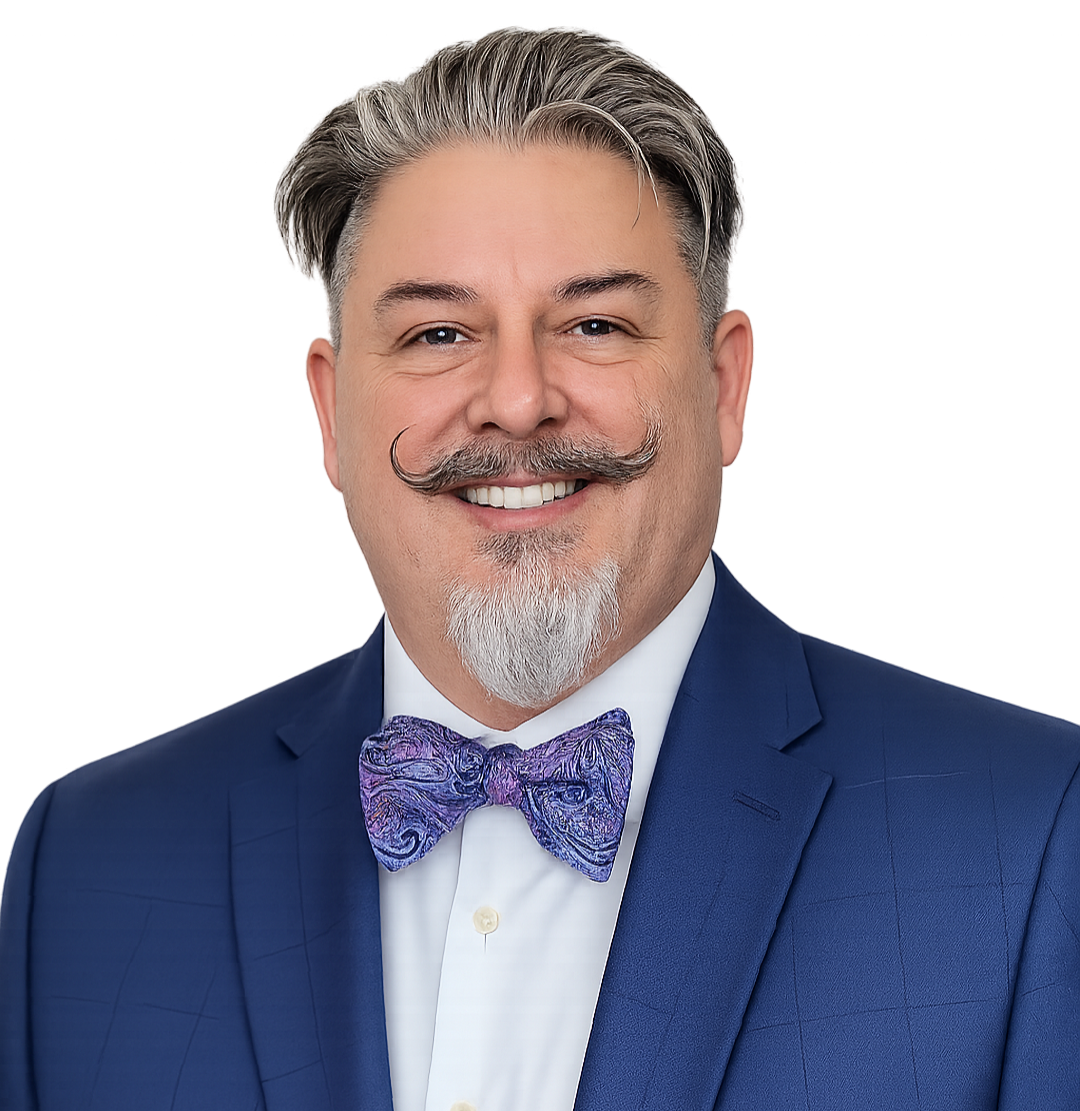
Detroit Criminal Defense Attorney
William Maze is an established Detroit Michigan attorney with nearly 28 years of criminal defense experience. He has represented thousands of satisfied clients across Michigan and maintains a national reputation as one of the leading criminal defense attorneys in the country.
Attorney Maze is a qualified expert witness in Standardized Field Sobriety Testing (SFST) and breath alcohol testing. His expertise includes:
Subscribe to @DUIMAZE for comprehensive criminal defense videos, case breakdowns, and legal strategy discussions.
If you are facing criminal charges, call William Maze today to schedule an appointment to review your case. Available 24/7 for emergencies.
Expert Criminal Defense Representation in Detroit's Judicial System
Primary Court for Detroit Criminal Cases
421 Madison Street, Detroit, MI 48226
(313) 965-2200
Felony Cases & Appeals from Detroit
5301 Russell Street, Detroit, MI 48211
(313) 224-5261
As a criminal defense attorney in Detroit, I provide specialized representation tailored to Detroit's unique legal landscape. For many years, my downtown Detroit office was located in the Ford Building on the same floor where Clarence Darrow mounted his famous defense of Dr. Ossian Sweet. In the famous 1925 Sweet Trials, Darrow successfully argued against racial prejudice in a murder case, asserting a Black family's right to live in a white neighborhood, a landmark civil rights victory. Darrow took the case after the Sweets were attacked in their new Detroit home, leading to a deadly confrontation and a trial that highlighted racial tensions in Detroit.
Each court has its own procedures, judges, and local rules. My extensive experience with Detroit's court system includes:
I provide criminal defense services throughout Detroit including:
If you're facing criminal charges in Detroit or Wayne County, contact my office today at (313) 792-8800 for a free, confidential consultation.
Get Expert Legal Advice for Your Detroit Criminal Case
Facing criminal charges in Detroit can be overwhelming. Contact me today for a free, confidential consultation at my Detroit office.
24/7 Emergency: (313) 792-8800
Office Hours: Mon-Fri 9am-5pm
Weekend/Evening: Appointments Available