Aggressive Defense Strategies for Sex Crimes Defense · Free Case Evaluation · 24/7 Emergency Availability
28+ Years Experience
Expert in Detroit Courts
36th District & Third Circuit Court
Recognized for Excellence in Criminal Defense Representation





Aggressive Representation on Sex Crime Cases in Wayne County
A sex crime accusation in Detroit carries consequences that can permanently alter the course of a person's life. Michigan's criminal sexual conduct statutes, codified at MCL 750.520a through MCL 750.520l, establish a comprehensive tiered framework of offenses ranging from fourth-degree misdemeanors to first-degree felonies carrying potential life sentences. Beyond incarceration, a conviction subjects the defendant to registration under Michigan's Sex Offenders Registration Act (SORA), MCL 28.721 et seq., imposing reporting obligations, residency and employment restrictions, and public disclosure that can follow an individual for decades—or for life.
Attorney William Maze has spent more than 28 years defending clients against the most serious criminal charges in Michigan's state and federal courts. He understands that sex crime allegations frequently arise in contested circumstances—disputed consent, false accusations, mistaken identity, or over-reaching interpretations of ambiguous conduct—and that the constitutional rights of the accused must be zealously protected at every stage of the proceeding. From the initial investigation through arraignment, preliminary examination, trial, and sentencing, Attorney Maze brings the full depth of his forensic expertise and courtroom experience to bear on each case.
In sex crime cases, the prosecution's evidence often rests heavily on complainant testimony, sometimes bolstered by forensic DNA evidence, digital records, or expert psychological opinions. Attorney Maze critically evaluates each element of the prosecution's case, challenges the admissibility of improperly obtained evidence under MCR 6.201 and the Fourth Amendment, and employs Michigan's rape shield statute, MCL 750.520j, strategically—understanding both its protections and its recognized exceptions as articulated in People v Hackett, 421 Mich 338 (1984), and its progeny. When forensic evidence is at issue, his background as a former adjunct professor of forensic science provides an analytical foundation that few defense attorneys can match.
The pages listed below address each of the specific sex crime charges commonly prosecuted in Detroit and Wayne County. Each page provides detailed information about the applicable statute, the elements the prosecution must prove, the potential penalties, and the defenses available. If you or a family member has been charged with any of the offenses described below, contact Maze Legal immediately for a free, confidential consultation at (313) 792-8800.
First-degree criminal sexual conduct is Michigan's most serious sex offense, carrying a potential sentence of life imprisonment. Learn about the statutory elements under MCL 750.520b and available defenses.
Learn MoreSecond-degree criminal sexual conduct under MCL 750.520c involves sexual contact rather than penetration combined with aggravating circumstances. A conviction carries up to 15 years in prison.
Learn MoreThird-degree criminal sexual conduct under MCL 750.520d covers sexual penetration without the more serious aggravating circumstances of CSC-1. Maximum penalty is 15 years imprisonment.
Learn MoreFourth-degree criminal sexual conduct under MCL 750.520e is a high-court misdemeanor carrying up to two years in prison. Despite its comparatively lower classification, a conviction still triggers SORA registration.
Learn MoreChild sexually abusive material charges under MCL 750.145c are among the most aggressively prosecuted offenses in Michigan, carrying mandatory minimum sentences and federal exposure. Strong defenses exist.
Learn MoreMichigan's prostitution and solicitation statutes under MCL 750.448–458 criminalize a range of conduct. Attorney Maze defends clients facing charges from street solicitation through organized commercial activity.
Learn MoreFailure to comply with Michigan's Sex Offenders Registration Act is a separate felony offense. Attorney Maze challenges both the underlying registration requirement and the alleged violation in SORA cases.
Learn MoreMichigan's approach to sex crimes prosecution is shaped by a statutory framework that has been substantially revised over the decades and that continues to evolve through legislative amendment and judicial interpretation. The criminal sexual conduct statutes, originally enacted in 1974, replaced the former common-law categories of rape and assault with intent to commit rape with a comprehensive graduated scheme designed to reflect the seriousness of the underlying conduct without reducing the prosecution to a credibility contest over a single act. Understanding how courts have construed these statutes is essential to mounting an effective defense.
The cornerstone definitional provision, MCL 750.520a, sets out the meanings of critical terms including "actor," "intimate parts," "sexual contact," "sexual penetration," "mentally incapable," "mentally disabled," "mentally incapacitated," and "physically helpless." The distinction between "sexual contact" and "sexual penetration" is fundamental: contact offenses (CSC-2 and CSC-4) require intentional touching of intimate parts for sexual arousal or gratification, while penetration offenses (CSC-1 and CSC-3) require any intrusion, however slight, of a body part or foreign object. In People v Lemons, 454 Mich 234 (1997), the Michigan Supreme Court confirmed that the definition of penetration under MCL 750.520a(r) is to be given its ordinary meaning, which encompasses a broad range of acts.
The rape shield statute, MCL 750.520j, prohibits introduction of evidence of the complainant's prior sexual conduct or sexual reputation except in narrowly defined circumstances. The Michigan Supreme Court's landmark decision in People v Hackett, 421 Mich 338 (1984), established that the shield law, while constitutionally sound as a general matter, must yield when evidence of prior sexual conduct is constitutionally necessary to provide a meaningful opportunity to present a defense—for example, to show an alternative source of physical injury or to demonstrate a prior consensual relationship directly relevant to the consent defense. Defense counsel must file a written motion and make the requisite offer of proof to seek admission of such evidence under MCL 750.520j(2).
Corroboration of the complainant's testimony is not required under MCL 750.520h, meaning a conviction may rest solely on the testimony of the complaining witness if the jury finds that testimony credible beyond a reasonable doubt. This statutory provision places enormous weight on the quality of cross-examination and the defense's ability to surface inconsistencies, prior statements, and motivations that bear on credibility. An effective defense in a sex crimes case is almost invariably built on a thorough investigation, careful review of all prior statements, medical records, digital communications, and other extrinsic evidence that may corroborate or contradict the complainant's account.
Sex offender registration under the Sex Offenders Registration Act, MCL 28.721 et seq., attaches automatically upon conviction for most CSC offenses and for child sexually abusive material offenses. The Michigan Supreme Court's significant ruling in People v Betts, 507 Mich 527 (2021), held that the retroactive application of certain provisions of the 2011 amendments to SORA imposed punishment in violation of the ex post facto clauses of the United States and Michigan Constitutions, providing relief to registrants convicted before those amendments took effect and underscoring that registration requirements are not merely regulatory but punitive in character. Anyone facing sex crime charges must carefully consider the long-term registration consequences at every stage of plea negotiation and trial strategy.
As a Detroit criminal defense attorney, I provide specialized expertise in Detroit's court systems. I understand the specific procedures, judges, and prosecutors in Detroit courts, giving my clients a distinct advantage in their criminal defense cases.
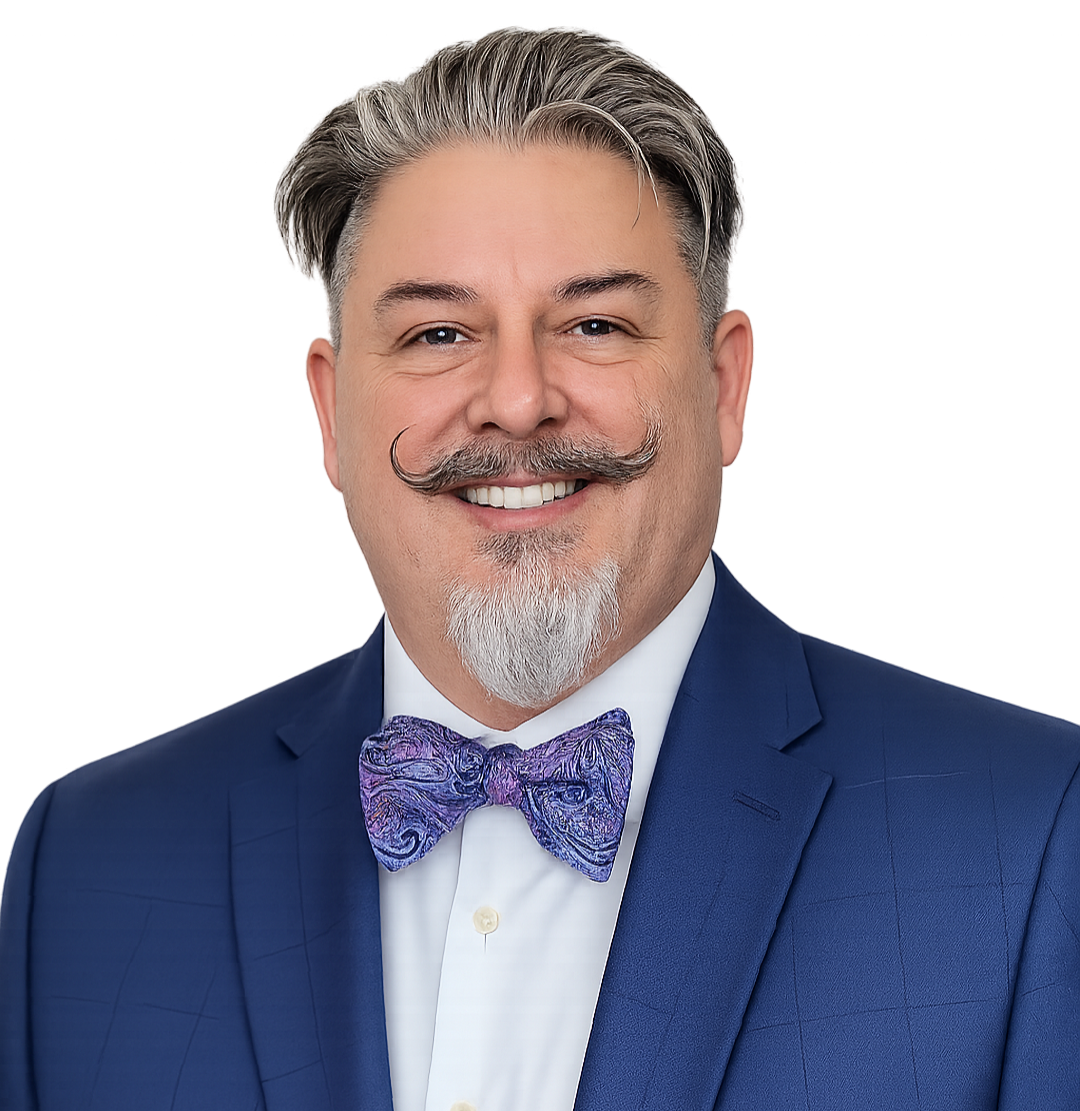
Detroit Criminal Defense Attorney
William Maze is an established Detroit Michigan attorney with nearly 28 years of criminal defense experience. He has represented thousands of satisfied clients across Michigan and maintains a national reputation as one of the leading criminal defense attorneys in the country.
Attorney Maze is a qualified expert witness in Standardized Field Sobriety Testing (SFST) and breath alcohol testing. His expertise includes:
Subscribe to @DUIMAZE for comprehensive criminal defense videos, case breakdowns, and legal strategy discussions.
If you are facing criminal charges, call William Maze today to schedule an appointment to review your case. Available 24/7 for emergencies.
Expert Criminal Defense Representation in Detroit's Judicial System
Primary Court for Detroit Criminal Cases
421 Madison Street, Detroit, MI 48226
(313) 965-2200
Felony Cases & Appeals from Detroit
5301 Russell Street, Detroit, MI 48211
(313) 224-5261
As a criminal defense attorney in Detroit, I provide specialized representation tailored to Detroit's unique legal landscape. For many years, my downtown Detroit office was located in the Ford Building on the same floor where Clarence Darrow mounted his famous defense of Dr. Ossian Sweet. In the famous 1925 Sweet Trials, Darrow successfully argued against racial prejudice in a murder case, asserting a Black family's right to live in a white neighborhood, a landmark civil rights victory. Darrow took the case after the Sweets were attacked in their new Detroit home, leading to a deadly confrontation and a trial that highlighted racial tensions in Detroit.
Each court has its own procedures, judges, and local rules. My extensive experience with Detroit's court system includes:
I provide criminal defense services throughout Detroit including:
If you're facing criminal charges in Detroit or Wayne County, contact my office today at (313) 792-8800 for a free, confidential consultation.
Get Expert Legal Advice for Your Detroit Criminal Case
Facing criminal charges in Detroit can be overwhelming. Contact me today for a free, confidential consultation at my Detroit office.
24/7 Emergency: (313) 792-8800
Office Hours: Mon-Fri 9am-5pm
Weekend/Evening: Appointments Available