Aggressive Defense Strategies for Search & Seizure Defense · Free Case Evaluation · 24/7 Emergency Availability
28+ Years Experience
Expert in Detroit Courts
36th District & Third Circuit Court
Recognized for Excellence in Criminal Defense Representation





Aggressive Representation on Search & Seizure Defense Cases in Wayne County
Detroit search and seizure defense lawyer helping clients challenge illegal stops, searches, warrants, and seizures. Motion practice focused on suppression in Wayne County.
Search and seizure litigation often decides the outcome of a criminal case before a jury is ever selected. When police stop a vehicle, enter a home, or seize a phone without lawful justification, the remedy is frequently suppression of the evidence obtained from that intrusion. A careful Fourth Amendment analysis focuses on what the officer knew at the time, what was actually done, and whether any exception to the warrant requirement truly applies.
In Detroit and throughout Wayne County, common suppression issues arise from traffic stops that expand beyond their original mission, consent searches that exceed their scope, and searches based on stale or conclusory warrant affidavits. Each scenario has its own factual and legal pressure points, including the reliability of information used to establish reasonable suspicion or probable cause, the timing and duration of detention, and the particularity of the place to be searched and items to be seized.
Michigan law adds additional structure through statutory warrant procedures and a substantial body of appellate decisions applying federal Fourth Amendment standards in state prosecutions. Effective defense work requires preserving the record, demanding audio-video evidence when available, and presenting a coherent theory of why the seizure or search was unreasonable under the totality of the circumstances.
This page provides an overview of search and seizure defenses, with focused guidance on two of the most litigated areas in Detroit courts: motions to suppress and illegal traffic stop defenses. If your case involves evidence recovered after a stop, search warrant execution, or consent request, early motion practice can be decisive.
How suppression motions work, what facts matter, and what remedies may apply when evidence was unlawfully obtained.
Learn MoreStrategies for challenging the basis, scope, and duration of a stop, including unlawful prolongation for unrelated investigations.
Learn MoreThe Fourth Amendment and Michigan’s Constitution protect against unreasonable searches and seizures. In practice, the first questions are whether a person was seized and whether the government’s conduct intruded on a reasonable expectation of privacy. A traffic stop is a seizure, and it must be supported by an objective, articulable basis, typically probable cause for a traffic infraction or reasonable suspicion that criminal activity is afoot.
Once a stop is lawful at its inception, the next question is scope. Officers may address the reason for the stop and take ordinary safety-related measures, but a stop cannot be measurably prolonged for unrelated investigation without additional reasonable suspicion. Michigan courts apply this principle to extensions of traffic stops for investigative detours such as dog sniffs. When the stop is extended after its mission is complete, the resulting detention can become unconstitutional, and evidence derived from that detention may be excluded.
Search warrants are the default method for searching homes and other protected areas. Michigan’s Search Warrant Act requires particularity and a showing of probable cause supported by oath or affirmation, and it provides procedures for issuing warrants, including by electronic means. Defects in warrant applications can matter, but courts also evaluate whether officers reasonably relied on a warrant later found unsupported by probable cause. Michigan recognizes a good-faith exception consistent with federal doctrine, so suppression practice often turns on whether the affidavit was so lacking in indicia of probable cause that reliance was unreasonable.
In vehicle cases, Michigan courts have addressed common warrant exceptions including consent and the automobile-related doctrines. Consent must be voluntary, and the scope of consent is judged by objective reasonableness. If a search exceeds the consent given, the excess is unlawful. Separately, probable cause may justify a warrantless vehicle search in appropriate circumstances, but probable cause must be grounded in specific facts, not a hunch. Odor-related probable cause litigation has evolved, particularly after changes in Michigan marijuana law, and careful briefing can clarify what an officer could reasonably infer from the observations reported.
A motion to suppress is not merely an objection, it is a structured factual hearing. The defense should demand the underlying reports, recordings, and warrant materials, identify the precise moment of seizure and search, and frame the legal issues with the governing standards. When successful, suppression can remove the central proof the prosecution needs. Even where suppression is denied, a well-developed record can narrow issues for trial and preserve appellate review.
As a Detroit criminal defense attorney, I provide specialized expertise in Detroit's court systems. I understand the specific procedures, judges, and prosecutors in Detroit courts, giving my clients a distinct advantage in their criminal defense cases.
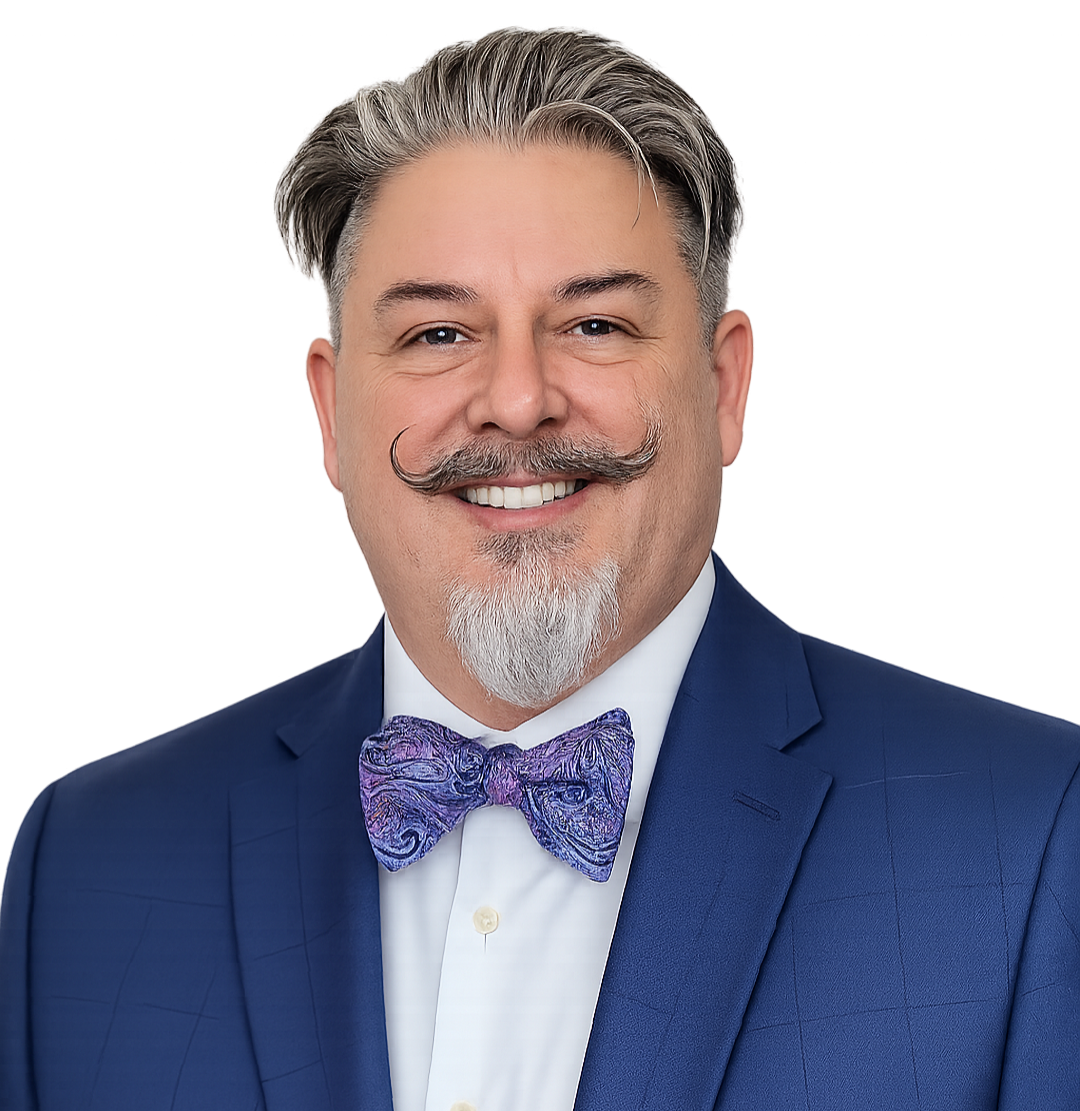
Detroit Criminal Defense Attorney
William Maze is an established Detroit Michigan attorney with nearly 28 years of criminal defense experience. He has represented thousands of satisfied clients across Michigan and maintains a national reputation as one of the leading criminal defense attorneys in the country.
Attorney Maze is a qualified expert witness in Standardized Field Sobriety Testing (SFST) and breath alcohol testing. His expertise includes:
Subscribe to @DUIMAZE for comprehensive criminal defense videos, case breakdowns, and legal strategy discussions.
If you are facing criminal charges, call William Maze today to schedule an appointment to review your case. Available 24/7 for emergencies.
Expert Criminal Defense Representation in Detroit's Judicial System
Primary Court for Detroit Criminal Cases
421 Madison Street, Detroit, MI 48226
(313) 965-2200
Felony Cases & Appeals from Detroit
5301 Russell Street, Detroit, MI 48211
(313) 224-5261
As a criminal defense attorney in Detroit, I provide specialized representation tailored to Detroit's unique legal landscape. For many years, my downtown Detroit office was located in the Ford Building on the same floor where Clarence Darrow mounted his famous defense of Dr. Ossian Sweet. In the famous 1925 Sweet Trials, Darrow successfully argued against racial prejudice in a murder case, asserting a Black family's right to live in a white neighborhood, a landmark civil rights victory. Darrow took the case after the Sweets were attacked in their new Detroit home, leading to a deadly confrontation and a trial that highlighted racial tensions in Detroit.
Each court has its own procedures, judges, and local rules. My extensive experience with Detroit's court system includes:
I provide criminal defense services throughout Detroit including:
If you're facing criminal charges in Detroit or Wayne County, contact my office today at (313) 792-8800 for a free, confidential consultation.
Get Expert Legal Advice for Your Detroit Criminal Case
Facing criminal charges in Detroit can be overwhelming. Contact me today for a free, confidential consultation at my Detroit office.
24/7 Emergency: (313) 792-8800
Office Hours: Mon-Fri 9am-5pm
Weekend/Evening: Appointments Available