Aggressive Defense Strategies for Detroit Parole Violation Defense · Free Case Evaluation · 24/7 Emergency Availability
28+ Years Experience
Expert in Detroit Courts
36th District & Third Circuit Court
Defense-oriented advocacy for parole violation proceedings and related holds.
Guidance and advocacy for Michigan parole violation allegations, including preliminary hearings, fact-finding, and mitigation plans to avoid revocation.
Parole violations are handled differently than probation violations. They often involve a parole hold, rapid timelines, and decisions made through the parole process rather than in the sentencing court.
Allegations may involve technical issues like reporting, residence changes, or treatment, or they may be tied to new criminal allegations. Early decisions about hearings and evidence can shape whether a matter is resolved with modified conditions or escalates toward revocation.
Defense advocacy focuses on procedure, proof, and mitigation. Documentation and verified plans, including housing and treatment placement, can reduce revocation risk and shorten time in custody.
If you or a family member is facing a parole hold or violation allegation connected to Detroit, prompt action is critical. The goal is to protect liberty while presenting a credible plan that addresses supervision concerns.
Parole violations are governed by a different statutory scheme than probation, and the distinction matters because the decision-maker is typically the Michigan Parole Board rather than the sentencing judge. After release on parole, the parole order is subject to revocation for cause at the Board’s discretion. MCL 791.240a. The process is structured, time-sensitive, and highly dependent on how the violation is framed at the earliest stages.
Michigan law provides for a prompt preliminary hearing after arrest for an alleged parole violation to determine whether there is probable cause to believe a violation occurred. MCL 791.239a. That early hearing can be decisive because it shapes the evidentiary record, the proposed sanction, and whether the matter proceeds to a fact-finding hearing. Where the allegation is based on new criminal conduct, counsel should analyze whether the proof is reliable and whether the alleged conduct actually violates a specific condition of parole.
Parole revocation practice also turns on proportionality and alternatives. Many allegations involve technical conduct such as missed reporting, curfew issues, residence concerns, or treatment noncompliance. A defensible plan may include verified housing, employment documentation, treatment placement, transportation solutions, and support letters. Where the allegation is contested, counsel should preserve objections, challenge inaccurate reports, and present corroborating records, because parole decisions can rely heavily on documentary summaries.
Although parole proceedings are not criminal trials, liberty is at stake. Effective representation therefore focuses on insisting on the statutory procedures, forcing the allegation to be proven with reliable facts, and presenting a realistic plan that addresses the Board’s public-safety concerns. When done correctly, that approach can reduce the likelihood of unnecessary incarceration and can support continued parole with modified conditions rather than revocation.
Michigan law also authorizes arrest for parole violations in specified circumstances, and it imposes notice and hearing protections before revocation. See, for example, MCL 791.239 and MCL 791.240a. At the fact-finding stage, the parolee should understand the alleged condition, the evidence relied upon, and the potential sanctions. Because the parole board’s decision often turns on risk assessment, counsel should present mitigation that is specific and verifiable, including drug test history, treatment attendance, employment paystubs, and housing verification, rather than generalized assurances. Even when a violation is admitted, a targeted proposal for modified conditions can reduce the likelihood of full revocation and return to prison.
As a Detroit criminal defense attorney, I provide specialized expertise in Detroit's court systems. I understand the specific procedures, judges, and prosecutors in Detroit courts, giving my clients a distinct advantage in their criminal defense cases.
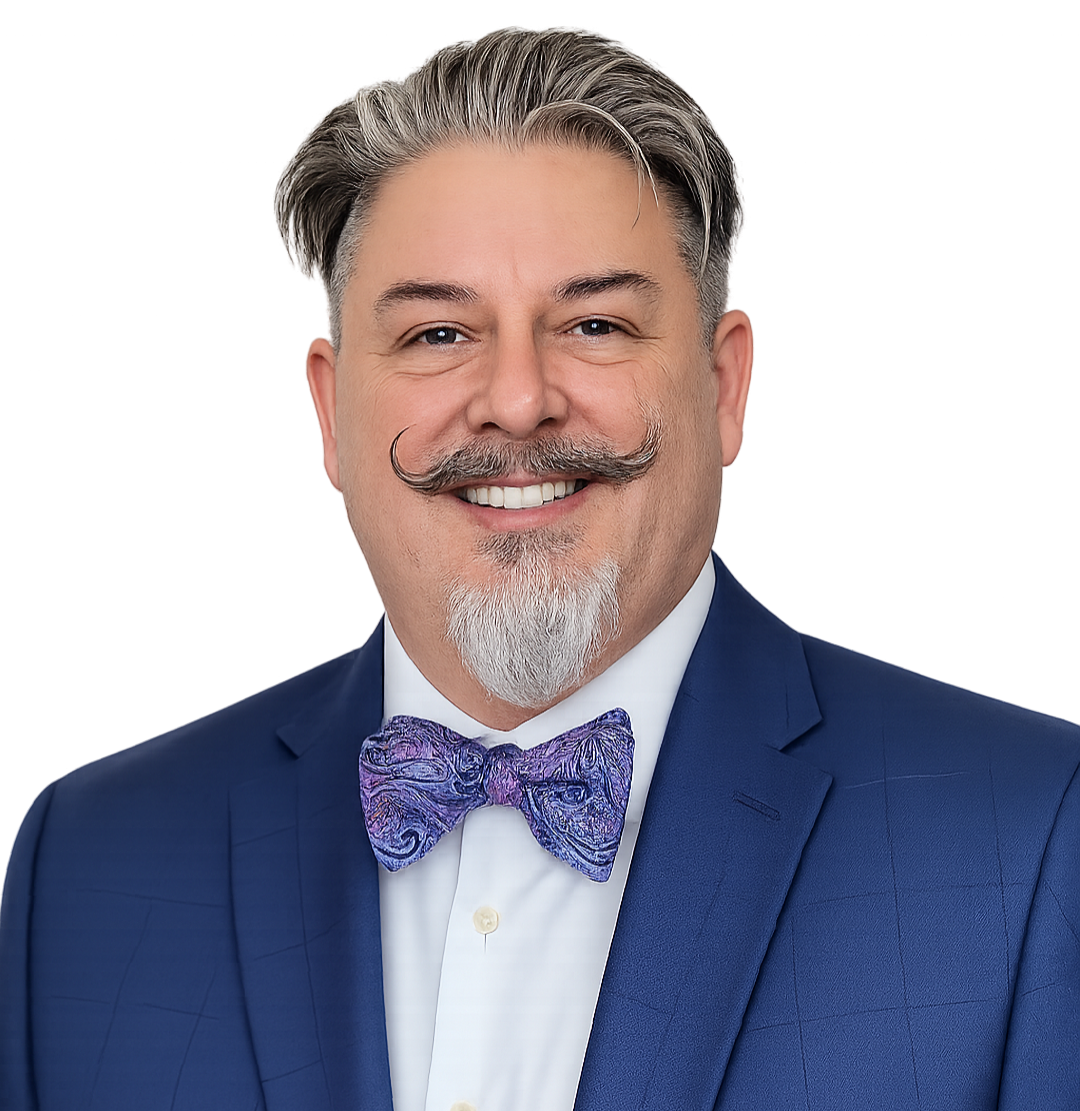
Detroit Criminal Defense Attorney
William Maze is an established Detroit Michigan attorney with nearly 28 years of criminal defense experience. He has represented thousands of satisfied clients across Michigan and maintains a national reputation as one of the leading criminal defense attorneys in the country.
Attorney Maze is a qualified expert witness in Standardized Field Sobriety Testing (SFST) and breath alcohol testing. His expertise includes:
Subscribe to @DUIMAZE for comprehensive criminal defense videos, case breakdowns, and legal strategy discussions.
If you are facing criminal charges, call William Maze today to schedule an appointment to review your case. Available 24/7 for emergencies.
Expert Criminal Defense Representation in Detroit's Judicial System
Primary Court for Detroit Criminal Cases
421 Madison Street, Detroit, MI 48226
(313) 965-2200
Felony Cases & Appeals from Detroit
5301 Russell Street, Detroit, MI 48211
(313) 224-5261
As a criminal defense attorney in Detroit, I provide specialized representation tailored to Detroit's unique legal landscape. For many years, my downtown Detroit office was located in the Ford Building on the same floor where Clarence Darrow mounted his famous defense of Dr. Ossian Sweet. In the famous 1925 Sweet Trials, Darrow successfully argued against racial prejudice in a murder case, asserting a Black family's right to live in a white neighborhood, a landmark civil rights victory. Darrow took the case after the Sweets were attacked in their new Detroit home, leading to a deadly confrontation and a trial that highlighted racial tensions in Detroit.
Each court has its own procedures, judges, and local rules. My extensive experience with Detroit's court system includes:
I provide criminal defense services throughout Detroit including:
If you're facing criminal charges in Detroit or Wayne County, contact my office today at (313) 792-8800 for a free, confidential consultation.
Get Expert Legal Advice for Your Detroit Criminal Case
Facing criminal charges in Detroit can be overwhelming. Contact me today for a free, confidential consultation at my Detroit office.
24/7 Emergency: (313) 792-8800
Office Hours: Mon-Fri 9am-5pm
Weekend/Evening: Appointments Available