Aggressive Defense Strategies for Motion to Suppress Evidence · Free Case Evaluation · 24/7 Emergency Availability
28+ Years Experience
Expert in Detroit Courts
36th District & Third Circuit Court
Recognized for Excellence in Criminal Defense Representation





Aggressive Representation on Motion to Suppress Evidence Cases in Wayne County
Detroit motion to suppress evidence lawyer. Challenge illegal searches, seizures, and warrants and seek exclusion of unlawfully obtained evidence in Wayne County courts.
A motion to suppress asks the court to exclude evidence obtained through an unconstitutional search or seizure. In many Detroit cases, suppression is the turning point because it can remove the prosecution’s key evidence, including drugs, firearms, alleged confessions derived from unlawful detention, or digital evidence taken from a phone.
Effective suppression practice starts with identifying the government action to be challenged and the legal standard that applies. That may include whether the initial stop was supported by reasonable suspicion, whether probable cause existed for an arrest or warrant, and whether any claimed warrant exception, such as consent, search incident to arrest, or inventory, actually fits the facts.
Timing and documentation matter. Audio-video recordings, dispatch logs, warrant affidavits, and return materials frequently supply the best impeachment and the clearest timeline. Where recordings exist, they can show whether the stop was extended after its mission was completed or whether consent was requested in a coercive manner.
A suppression hearing is also a credibility hearing. The defense should focus the court on objective facts and inconsistencies, and should tie those facts to Michigan and federal standards governing seizures, probable cause, and warrant requirements. A properly framed motion positions the case for dismissal, a favorable resolution, or a stronger posture for trial.
Michigan courts treat suppression as a remedy designed to deter unlawful government conduct and to preserve the integrity of the adjudicative process. The defense must show an unlawful search or seizure and a causal connection between that illegality and the evidence the prosecution seeks to use. In many cases, that analysis begins with the earliest moment of police contact, including whether a person was detained, how long the detention lasted, and what facts allegedly justified it.
For traffic stop cases, the court typically evaluates whether the officer had an objective basis to stop the vehicle and whether the officer’s actions remained reasonably related to the purpose of the stop. Even where the initial stop is lawful, prolonging the stop for unrelated investigation can violate constitutional limits absent new, articulable reasonable suspicion. If the prolonged detention leads to a search, contraband discovery, or arrest, the defense can argue that those fruits should be excluded.
For warrant cases, the focus is probable cause and particularity. Michigan’s statutory procedures for search warrants require a sworn showing that establishes a fair probability that evidence of a crime will be found in the place to be searched, and the warrant must describe with sufficient specificity the place and items. When an affidavit is conclusory, stale, or materially inaccurate, the defense can challenge whether probable cause existed at issuance. Courts also consider whether the execution exceeded the warrant’s scope, including searches of containers or devices not fairly covered by the warrant.
Even when a warrant is later deemed unsupported by probable cause, Michigan recognizes a good-faith exception where officers reasonably relied on a warrant issued by a neutral magistrate. That doctrine does not protect reckless or knowingly false affidavits, nor does it protect reliance on a warrant so facially deficient that no reasonable officer could presume it valid. As a result, suppression litigation often turns on the quality of the affidavit, the officer’s knowledge, and whether the warrant application process reflected meaningful judicial review.
Because suppression is fact-intensive, the best motions integrate the record, the governing constitutional tests, and the remedy sought. A complete motion practice package includes targeted discovery requests, careful witness examination, and proposed findings tied to controlling Michigan authority. When the evidence is excluded, the prosecution may be unable to proceed, leading to dismissal or substantial charge reductions. Targeted suppression can also narrow the prosecution’s proofs and sharpen trial issues even if the case does not end at the motion stage.
As a Detroit criminal defense attorney, I provide specialized expertise in Detroit's court systems. I understand the specific procedures, judges, and prosecutors in Detroit courts, giving my clients a distinct advantage in their criminal defense cases.
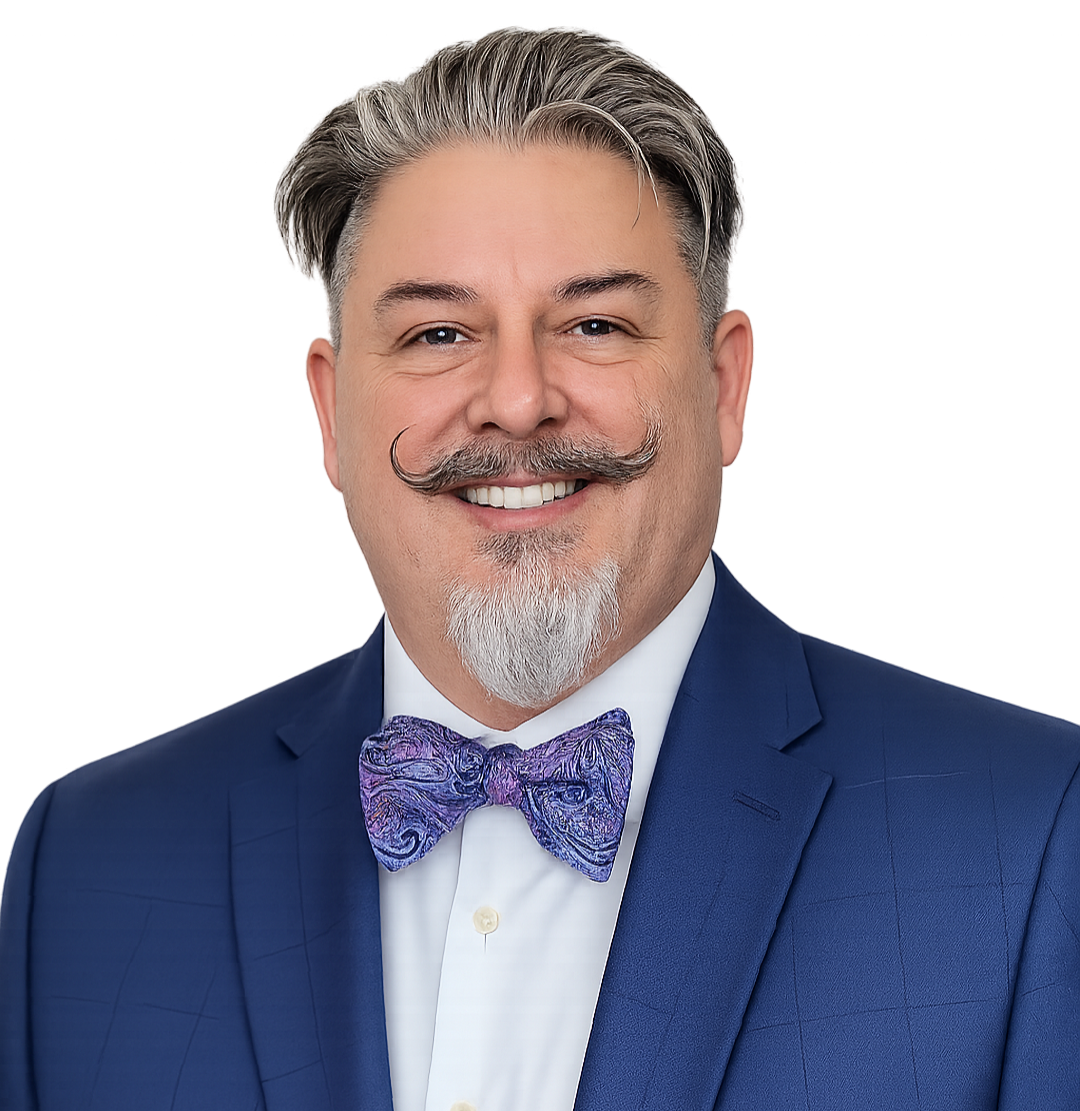
Detroit Criminal Defense Attorney
William Maze is an established Detroit Michigan attorney with nearly 28 years of criminal defense experience. He has represented thousands of satisfied clients across Michigan and maintains a national reputation as one of the leading criminal defense attorneys in the country.
Attorney Maze is a qualified expert witness in Standardized Field Sobriety Testing (SFST) and breath alcohol testing. His expertise includes:
Subscribe to @DUIMAZE for comprehensive criminal defense videos, case breakdowns, and legal strategy discussions.
If you are facing criminal charges, call William Maze today to schedule an appointment to review your case. Available 24/7 for emergencies.
Expert Criminal Defense Representation in Detroit's Judicial System
Primary Court for Detroit Criminal Cases
421 Madison Street, Detroit, MI 48226
(313) 965-2200
Felony Cases & Appeals from Detroit
5301 Russell Street, Detroit, MI 48211
(313) 224-5261
As a criminal defense attorney in Detroit, I provide specialized representation tailored to Detroit's unique legal landscape. For many years, my downtown Detroit office was located in the Ford Building on the same floor where Clarence Darrow mounted his famous defense of Dr. Ossian Sweet. In the famous 1925 Sweet Trials, Darrow successfully argued against racial prejudice in a murder case, asserting a Black family's right to live in a white neighborhood, a landmark civil rights victory. Darrow took the case after the Sweets were attacked in their new Detroit home, leading to a deadly confrontation and a trial that highlighted racial tensions in Detroit.
Each court has its own procedures, judges, and local rules. My extensive experience with Detroit's court system includes:
I provide criminal defense services throughout Detroit including:
If you're facing criminal charges in Detroit or Wayne County, contact my office today at (313) 792-8800 for a free, confidential consultation.
Get Expert Legal Advice for Your Detroit Criminal Case
Facing criminal charges in Detroit can be overwhelming. Contact me today for a free, confidential consultation at my Detroit office.
24/7 Emergency: (313) 792-8800
Office Hours: Mon-Fri 9am-5pm
Weekend/Evening: Appointments Available