Aggressive Defense Strategies for First Offense OWI · Free Case Evaluation · 24/7 Emergency Availability
28+ Years Experience
Expert in Detroit Courts
36th District & Third Circuit Court
Recognized for Excellence in Criminal Defense Representation





Aggressive Representation for First Offense OWI matters in Wayne County
A first offense OWI charge in Detroit is a high-consequence misdemeanor that can affect your license, employment screening, and insurance rates long after court is over. Early, targeted work matters because the first court dates often set the trajectory for evidence preservation, video requests, and negotiations.
Michigan’s OWI statute prohibits operating while intoxicated on a highway or any place open or generally accessible to motor vehicles, including parking areas. Prosecutors commonly rely on a combination of officer observations, field sobriety tests, and chemical testing to argue intoxication under MCL 257.625(1).
A strong defense usually starts with the stop and the detention. If the officer lacked reasonable suspicion for the stop or lacked probable cause for arrest, the case may be vulnerable to suppression, and chemical results may be excluded as fruit of an unlawful seizure.
Even when the stop is valid, the evidence is often contestable. Field sobriety tests can be affected by medical conditions, footwear, weather, lighting, and roadside distractions, and breath or blood testing requires strict compliance with procedure. A defense plan should treat the case as a proof problem, not a paperwork problem.
Operating while intoxicated is defined by Michigan’s Section 625 and is most often charged under MCL 257.625(1). The prosecution must prove operation and intoxication in a place covered by the statute. For venue and location, Michigan courts have addressed how the statutory “highway or other place open to the general public” language applies. For example, People v. Rea recognized that the “within this state” language is a jurisdictional element that can be proven without direct evidence that the conduct occurred in Michigan if the record supports that inference.
First-offense cases are frequently built around three evidentiary pillars: the investigative stop, the impairment investigation, and chemical testing. On the stop, counsel should evaluate what prompted the seizure and whether the officer expanded the stop beyond its lawful scope. On impairment, the defense should examine what was actually observed, and whether the observations are consistent with intoxication as opposed to fatigue, anxiety, injury, or a medical explanation.
Chemical testing often dominates the narrative, but it is still litigable. The statutory framework distinguishes between operating while intoxicated and operating with high bodily alcohol content, and the jury instructions reflect different pathways to conviction. When BAC is the central issue, counsel should scrutinize the collection process, calibration and maintenance records, operator training, and whether the result is consistent with the time of driving and the accused’s physiology.
A first offense is also where strategic choices carry long-term value. Plea limitations can matter in Section 625 cases, and the court must provide required advice before accepting a plea. The goal is not simply minimizing short-term penalties, but protecting the record, preserving licensing options, and positioning the case for the best negotiated or litigated outcome.
As a Detroit criminal defense attorney, I provide specialized expertise in Detroit's court systems. I understand the specific procedures, judges, and prosecutors in Detroit courts, giving my clients a distinct advantage in their criminal defense cases.
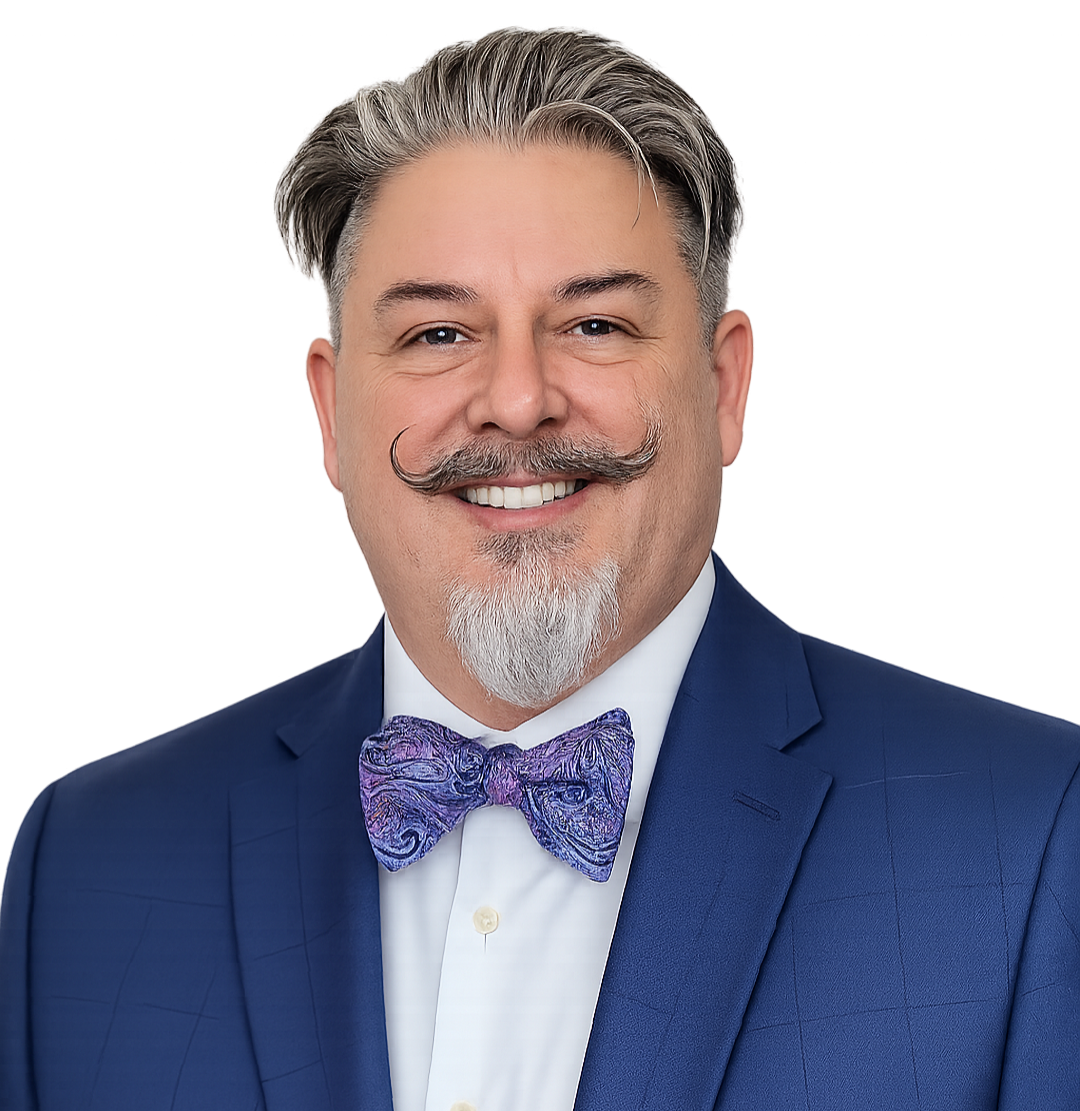
Detroit Criminal Defense Attorney
William Maze is an established Detroit Michigan attorney with nearly 28 years of criminal defense experience. He has represented thousands of satisfied clients across Michigan and maintains a national reputation as one of the leading criminal defense attorneys in the country.
Attorney Maze is a qualified expert witness in Standardized Field Sobriety Testing (SFST) and breath alcohol testing. His expertise includes:
Subscribe to @DUIMAZE for comprehensive criminal defense videos, case breakdowns, and legal strategy discussions.
If you are facing criminal charges, call William Maze today to schedule an appointment to review your case. Available 24/7 for emergencies.
Expert Criminal Defense Representation in Detroit's Judicial System
Primary Court for Detroit Criminal Cases
421 Madison Street, Detroit, MI 48226
(313) 965-2200
Felony Cases & Appeals from Detroit
5301 Russell Street, Detroit, MI 48211
(313) 224-5261
As a criminal defense attorney in Detroit, I provide specialized representation tailored to Detroit's unique legal landscape. For many years, my downtown Detroit office was located in the Ford Building on the same floor where Clarence Darrow mounted his famous defense of Dr. Ossian Sweet. In the famous 1925 Sweet Trials, Darrow successfully argued against racial prejudice in a murder case, asserting a Black family's right to live in a white neighborhood, a landmark civil rights victory. Darrow took the case after the Sweets were attacked in their new Detroit home, leading to a deadly confrontation and a trial that highlighted racial tensions in Detroit.
Each court has its own procedures, judges, and local rules. My extensive experience with Detroit's court system includes:
I provide criminal defense services throughout Detroit including:
If you're facing criminal charges in Detroit or Wayne County, contact my office today at (313) 792-8800 for a free, confidential consultation.
Get Expert Legal Advice for Your Detroit Criminal Case
Facing criminal charges in Detroit can be overwhelming. Contact me today for a free, confidential consultation at my Detroit office.
24/7 Emergency: (313) 792-8800
Office Hours: Mon-Fri 9am-5pm
Weekend/Evening: Appointments Available