Defense counsel for larceny, retail fraud, robbery, car theft, receiving stolen property, and false pretenses in Detroit and Wayne County. Early investigation, motion practice, and negotiation focused on protecting your record.
28+ Years Experience
Expert in Detroit Courts
36th District & Third Circuit Court
Defense counsel for larceny, retail fraud, robbery, car theft, receiving stolen property, and false pretenses in Detroit and Wayne County. Early investigation, motion practice, and negotiation focused on protecting your record.





Aggressive Representation on Detroit Theft Crimes Defense Cases in Wayne County
Defense counsel for larceny, retail fraud, robbery, car theft, receiving stolen property, and false pretenses in Detroit and Wayne County. Early investigation, motion practice, and negotiation focused on protecting your record.
Detroit theft allegations range from store-based retail fraud to more serious felony accusations involving vehicles, force, or alleged schemes. These cases often turn on proof that a person intended to steal, intended to keep property, or knew property was stolen, rather than on the mere presence of property or a misunderstanding at the scene.
In Wayne County courts, theft cases are frequently built on surveillance video, loss-prevention reports, witness identifications, and police summaries that can omit critical context. Early review of the full video, incident reports, and discovery is the fastest way to locate inconsistencies, preserve favorable evidence, and frame motion issues.
Michigan theft statutes are value-driven, and value disputes routinely affect charging decisions, exposure, and negotiation posture. When value is unclear, a defense strategy often focuses on whether the prosecution can prove market value beyond a reasonable doubt and whether lesser charges or dismissals are appropriate.
A disciplined theft defense also addresses procedure. Suppression motions, challenges to probable cause, and careful litigation at the preliminary stage can narrow the case or change leverage, while well-supported negotiations can prioritize non-jail outcomes, deferred options when available, and record-protection planning.
Challenge intent, surveillance interpretation, and identification.
Learn MoreAddress force-or-fear allegations, identification issues, and suppression motions.
Learn MoreTheft charges in Detroit range from misdemeanor retail fraud to high-stakes felony allegations involving vehicles, force, or alleged schemes. The statutes are not interchangeable, and the facts that matter depend on the specific charge. For example, general larceny and its value-based penalty structure are addressed in MCL 750.356 and MCL 750.356a, while retail fraud offenses are charged under MCL 750.356c and MCL 750.356d. Receiving or concealing stolen property requires proof of knowledge under MCL 750.535, and false pretenses focuses on intent to defraud under MCL 750.218. Robbery offenses add force or fear elements under MCL 750.529 and MCL 750.530, and vehicle-theft prosecutions commonly involve UDAA under MCL 750.413.
Across these cases, the prosecution must prove intent, identity, and legally admissible evidence. Theft intent is often inferred rather than admitted, which creates room to argue lawful purpose, permission, misunderstanding, or lack of knowledge, depending on the charge. Michigan appellate decisions recognize that larceny requires an intent to permanently deprive and that intent may be inferred from circumstances. People v Pratt, 254 Mich App 425, 427–428; 656 NW2d 866 (2002); People v Hawkins, 245 Mich App 439, 458; 628 NW2d 105 (2001).
Procedure matters early. Many theft cases begin with a stop, a search, or an interview where statements are taken quickly and evidence is collected before counsel is involved. A careful defense evaluates probable cause and the scope of searches, challenges defective warrant affidavits where appropriate, and litigates suppression issues that can decide the case without a trial. In felony-filed matters, early testimony at the preliminary examination can expose weaknesses, preserve inconsistencies, and narrow charges before bindover.
Finally, theft cases have collateral consequences that often exceed the immediate sentence, including employment, professional licensing, and immigration concerns. Effective strategy integrates litigation, negotiation, and mitigation, targeting outcomes that protect the client’s record, address restitution accurately, and avoid overbroad admissions. The right plan depends on the charge, the proof, and the client’s priorities, and it starts with an evidence-first review of the state’s case.
As a Detroit criminal defense attorney, I provide specialized expertise in Detroit's court systems. I understand the specific procedures, judges, and prosecutors in Detroit courts, giving my clients a distinct advantage in their criminal defense cases.
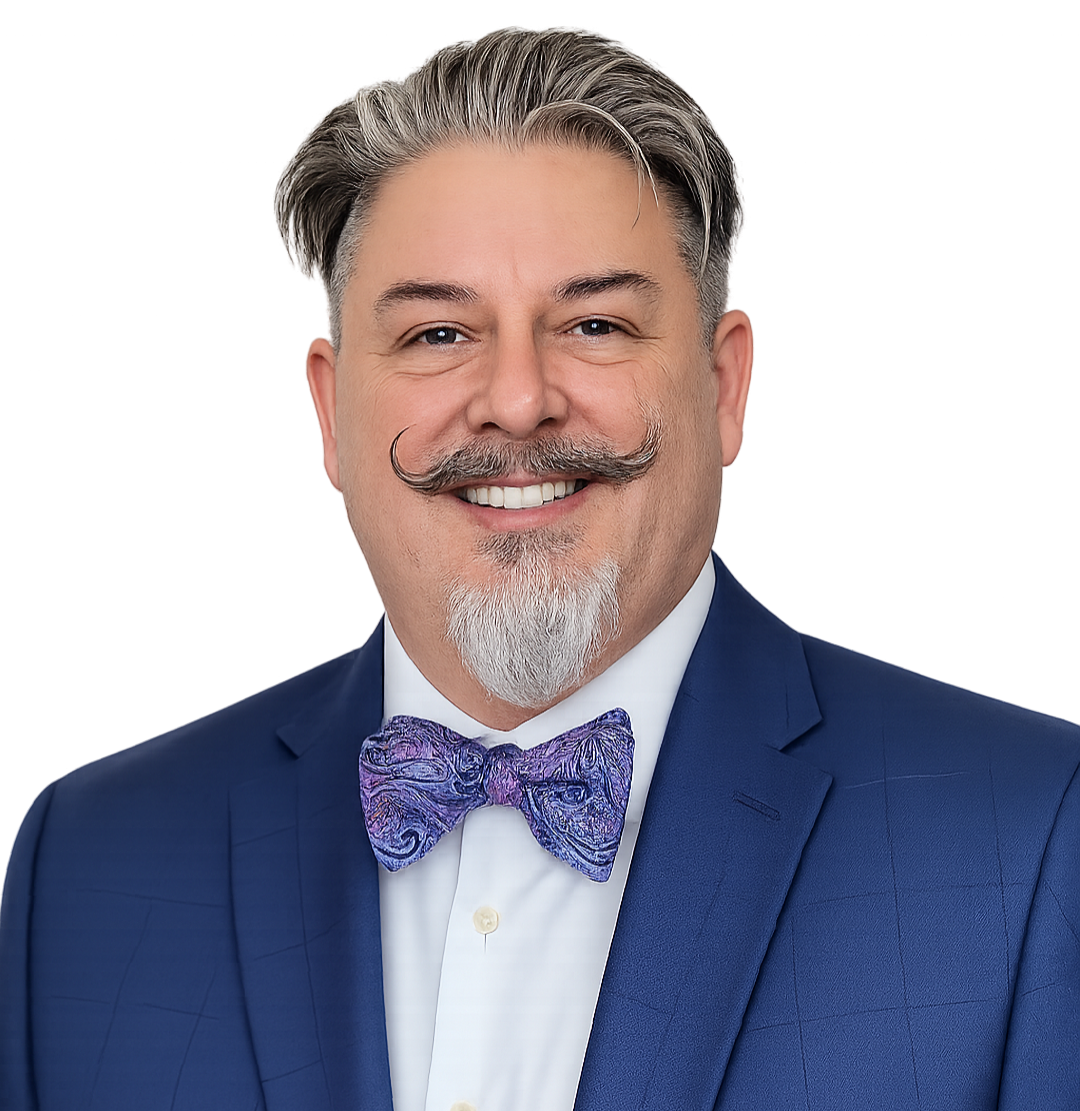
Detroit Criminal Defense Attorney
William Maze is an established Detroit Michigan attorney with nearly 28 years of criminal defense experience. He has represented thousands of satisfied clients across Michigan and maintains a national reputation as one of the leading criminal defense attorneys in the country.
Attorney Maze is a qualified expert witness in Standardized Field Sobriety Testing (SFST) and breath alcohol testing. His expertise includes:
Subscribe to @DUIMAZE for comprehensive criminal defense videos, case breakdowns, and legal strategy discussions.
If you are facing criminal charges, call William Maze today to schedule an appointment to review your case. Available 24/7 for emergencies.
Expert Criminal Defense Representation in Detroit's Judicial System
Primary Court for Detroit Criminal Cases
421 Madison Street, Detroit, MI 48226
(313) 965-2200
Felony Cases & Appeals from Detroit
5301 Russell Street, Detroit, MI 48211
(313) 224-5261
As a criminal defense attorney in Detroit, I provide specialized representation tailored to Detroit's unique legal landscape. For many years, my downtown Detroit office was located in the Ford Building on the same floor where Clarence Darrow mounted his famous defense of Dr. Ossian Sweet. In the famous 1925 Sweet Trials, Darrow successfully argued against racial prejudice in a murder case, asserting a Black family's right to live in a white neighborhood, a landmark civil rights victory. Darrow took the case after the Sweets were attacked in their new Detroit home, leading to a deadly confrontation and a trial that highlighted racial tensions in Detroit.
Each court has its own procedures, judges, and local rules. My extensive experience with Detroit's court system includes:
I provide criminal defense services throughout Detroit including:
If you're facing criminal charges in Detroit or Wayne County, contact my office today at (313) 792-8800 for a free, confidential consultation.
Get Expert Legal Advice for Your Detroit Criminal Case
Facing criminal charges in Detroit can be overwhelming. Contact me today for a free, confidential consultation at my Detroit office.
24/7 Emergency: (313) 792-8800
Office Hours: Mon-Fri 9am-5pm
Weekend/Evening: Appointments Available