Aggressive Defense Strategies for Fourth Degree Criminal Sexual Conduct Defense · Free Case Evaluation · 24/7 Emergency Availability
28+ Years Experience
Expert in Detroit Courts
36th District & Third Circuit Court
Recognized for Excellence in Criminal Defense Representation




Aggressive Representation on CSC-4 Cases in Wayne County
Fourth-degree criminal sexual conduct, defined at MCL 750.520e, is a high-court misdemeanor under Michigan law that prohibits sexual contact in circumstances parallel to CSC-3. Where CSC-2 pairs the aggravating circumstances of CSC-1 with sexual contact, CSC-4 pairs the aggravating circumstances of CSC-3 with sexual contact. A conviction under MCL 750.520e carries a maximum penalty of two years in prison or a fine of not more than $500, or both. Despite its comparatively lower classification within the criminal sexual conduct framework, CSC-4 carries severe collateral consequences: a conviction requires registration as a sex offender under Michigan's SORA, MCL 28.721 et seq., with all of the attendant reporting obligations, residency restrictions, and public disclosure that registration entails.
The aggravating circumstances under MCL 750.520e mirror those of CSC-3 and include: the victim being between 13 and 15 years old; the sexual contact being accomplished by force or coercion; the victim being mentally incapable, mentally disabled, mentally incapacitated, or physically helpless and the actor knew or had reason to know of that condition; and the actor being in a position of authority over the victim who is between 16 and 18 years old. Because CSC-4 involves sexual contact rather than penetration, it is often charged in cases involving inappropriate touching, groping, or other forms of non-penetrative sexual contact. The intentionality requirement—that the touching be for a sexual purpose—is a critical element that must be proven beyond a reasonable doubt.
Many CSC-4 cases arise in workplace, educational, athletic, and social contexts where the nature of physical contact is subject to competing interpretations. In such settings, the prosecution must prove not only that a touching occurred but that it was intentional and that it could reasonably be construed as sexual in character. Where the contact was incidental, accidental, or consistent with a non-sexual purpose, the defense can challenge whether the act meets the statutory definition of sexual contact under MCL 750.520a(q). Attorney Maze analyzes the specific circumstances of each alleged incident, the physical setting, the parties' relationship, and any communications that shed light on the nature and purpose of the contact.
Although CSC-4 is technically a misdemeanor, it should never be treated as a minor matter. The SORA registration requirement alone can devastate a person's professional career, housing prospects, and family relationships. Attorney Maze approaches every CSC-4 case with the same thoroughness he brings to felony-level charges, because the lifetime consequences of a sex offender registration far exceed those of any short-term incarceration or fine. When dismissal, acquittal, or a plea to a non-registering offense can be achieved, it represents a life-changing result for the client.
The underestimation of fourth-degree criminal sexual conduct charges is among the most consequential mistakes a person accused of this offense can make. The registration requirement imposed by Michigan's Sex Offenders Registration Act, MCL 28.721 et seq., transforms what appears on its face to be a misdemeanor conviction into a lifetime government surveillance obligation with far-reaching restrictions on where a registered person may live, work, and travel. In People v Betts, 507 Mich 527 (2021), the Michigan Supreme Court confronted the punitive character of SORA's requirements and held that retroactive application of the 2011 amendments to SORA constituted punishment under the ex post facto clauses of both the United States Constitution and the Michigan Constitution. While Betts directly addressed the retroactivity problem, its analysis confirms that SORA is punitive in nature—a finding with important implications for anyone contemplating a plea to a CSC-4 charge.
The consent defense is available in CSC-4 prosecutions, unlike CSC-2 when the victim is under 13. MCL 750.520i(1) excludes consent as a defense to CSC-2 when the victim is under 13, but CSC-4 does not carry the same absolute bar. Where the complaining witness was 16 or older and the defendant is not in a position of authority, a consent defense may be legally available. The practical challenge is that consent defenses require the jury to accept the defendant's account of the encounter over the complainant's, placing the credibility contest front and center. Attorney Maze carefully evaluates the evidentiary record for text messages, social media communications, witness observations, and other objective evidence that can corroborate the defendant's account of consensual contact.
The rape shield law, MCL 750.520j, limits the use of the complainant's prior sexual conduct as evidence, but the recognized exceptions established in People v Hackett, 421 Mich 338 (1984), apply equally to CSC-4 prosecutions. The Michigan Court of Appeals has repeatedly emphasized that in camera hearings under MCL 750.520j(2) are essential procedural safeguards that cannot be short-circuited, and that the constitutional right of confrontation may require admission of prior sexual conduct evidence where it is directly relevant to an issue other than the complainant's credibility as a sexual person.
Plea negotiations in CSC-4 cases should always be evaluated against the backdrop of SORA registration consequences. A plea to an alternative offense that does not trigger registration—such as assault and battery under MCL 750.81 or disorderly conduct under MCL 750.167—may represent a dramatically superior outcome even if it involves a somewhat higher fine or probationary period. Attorney Maze is experienced in negotiating creative resolutions in sex crime cases that eliminate or minimize the registration exposure that would result from a CSC conviction.
At sentencing, the Michigan Sentencing Guidelines applicable to CSC-4 as a misdemeanor differ from the felony grid used for CSC-1 through CSC-3. However, probationary conditions for sex crime convictions often include mandatory counseling, polygraph examinations, internet use restrictions, and contact restrictions that are highly burdensome. Attorney Maze advocates at sentencing for conditions that are reasonable in scope and supported by legitimate rehabilitative or public safety justifications, challenging any conditions that are punitive in excess of what the offense warrants.
As a Detroit criminal defense attorney, I provide specialized expertise in Detroit's court systems. I understand the specific procedures, judges, and prosecutors in Detroit courts, giving my clients a distinct advantage in their criminal defense cases.
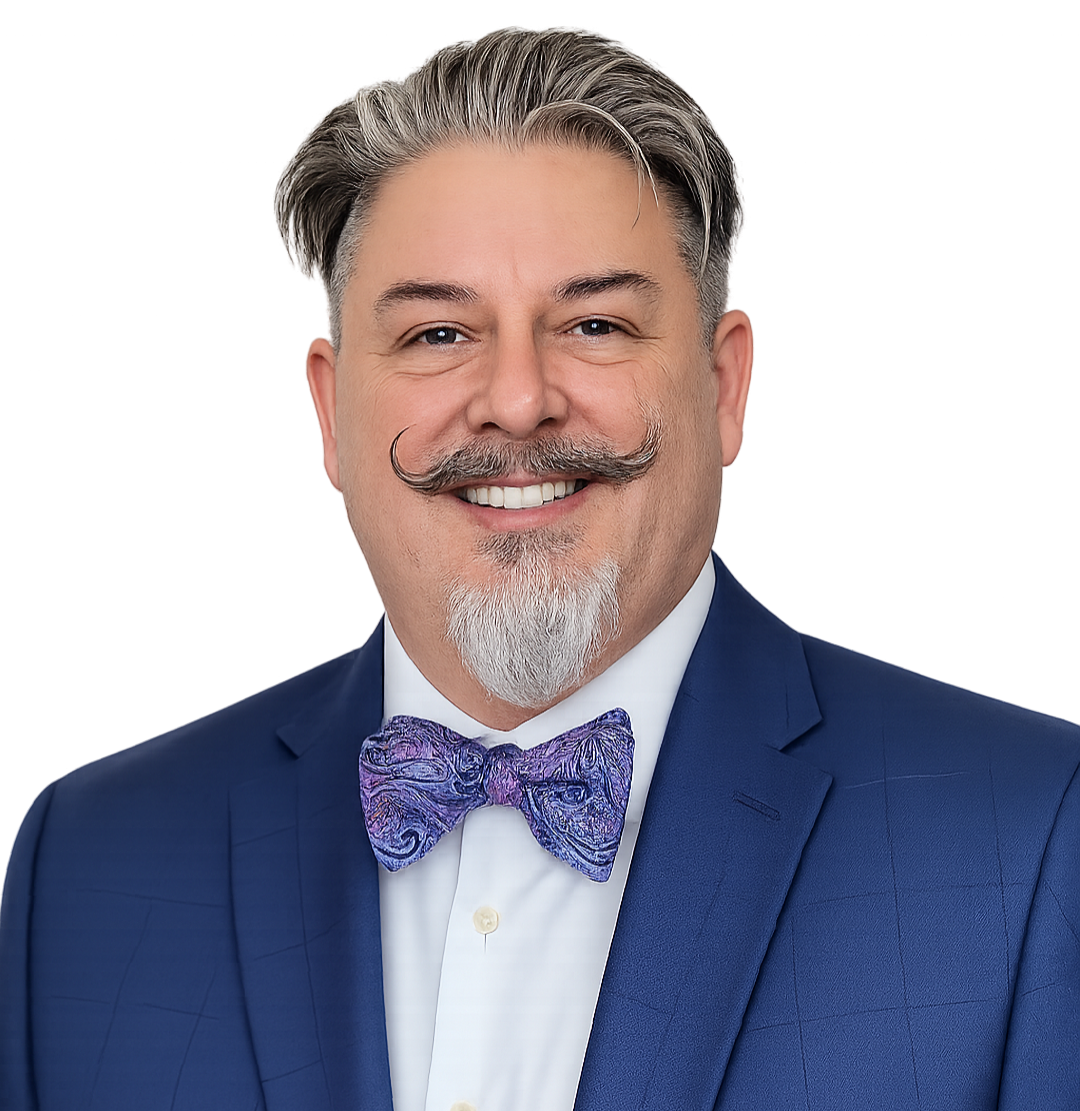
Detroit Criminal Defense Attorney
William Maze is an established Detroit Michigan attorney with nearly 28 years of criminal defense experience. He has represented thousands of satisfied clients across Michigan and maintains a national reputation as one of the leading criminal defense attorneys in the country.
Attorney Maze is a qualified expert witness in Standardized Field Sobriety Testing (SFST) and breath alcohol testing. His expertise includes:
Subscribe to @DUIMAZE for comprehensive criminal defense videos, case breakdowns, and legal strategy discussions.
If you are facing criminal charges, call William Maze today to schedule an appointment to review your case. Available 24/7 for emergencies.
Expert Criminal Defense Representation in Detroit's Judicial System
Primary Court for Detroit Criminal Cases
421 Madison Street, Detroit, MI 48226
(313) 965-2200
Felony Cases & Appeals from Detroit
5301 Russell Street, Detroit, MI 48211
(313) 224-5261
As a criminal defense attorney in Detroit, I provide specialized representation tailored to Detroit's unique legal landscape. For many years, my downtown Detroit office was located in the Ford Building on the same floor where Clarence Darrow mounted his famous defense of Dr. Ossian Sweet. In the famous 1925 Sweet Trials, Darrow successfully argued against racial prejudice in a murder case, asserting a Black family's right to live in a white neighborhood, a landmark civil rights victory. Darrow took the case after the Sweets were attacked in their new Detroit home, leading to a deadly confrontation and a trial that highlighted racial tensions in Detroit.
Each court has its own procedures, judges, and local rules. My extensive experience with Detroit's court system includes:
I provide criminal defense services throughout Detroit including:
If you're facing criminal charges in Detroit or Wayne County, contact my office today at (313) 792-8800 for a free, confidential consultation.
Get Expert Legal Advice for Your Detroit Criminal Case
Facing criminal charges in Detroit can be overwhelming. Contact me today for a free, confidential consultation at my Detroit office.
24/7 Emergency: (313) 792-8800
Office Hours: Mon-Fri 9am-5pm
Weekend/Evening: Appointments Available